People who want a snack they can take with them
After a workout, you want a convenient bar without assuming it will meet all your snacking and hydration needs on its own.


After exercise, choose a bar based on the role you want it to play in your snack, then compare its carbohydrates and protein per serving. Organic certification tells you how it was produced, not how much protein it contains. A bar also won’t replace a drink, and may not be enough to count as a meal after a strenuous workout.
After a workout, you want a convenient bar without assuming it will meet all your snacking and hydration needs on its own.
You want to check that a product is organic, then look separately at its nutritional values, ingredients and allergens.
If you’re looking for a ‘gluten-free’ product, a vegan option or something free from a particular allergen, check the exact product rather than relying on the range name alone.
The Directorate-General for Competition Policy, Consumer Affairs and Fraud Control (DGCCRF) states that nutrition information is given per 100 g. This provides a basis for comparing bars before you look at the portion you’ll eat.
| What matters | What to check | Who it’s for |
|---|---|---|
| What makes up your snack | Carbohydrates and protein per 100 g and per bar; plan to have a drink separately. | After a workout, I want to know what my bar actually adds to my snack, without forgetting to drink. Around 31 % of consumers put suitability as a post-workout snack first. |
| Organic certification | Organic certification mark on the packaging and the ingredients list; check the nutritional values separately. | If how a product is produced is my main priority, I want to be able to identify an organic bar without assuming it has other qualities. This is the top priority for around 31 % of consumers. |
| Dietary suitability | Ingredients, allergens and any traces; check for ‘gluten-free’ or vegan labelling on the exact product if needed. | If I need to avoid an ingredient that doesn’t suit me, the range name isn’t enough: I need to read the label on the bar I’ve chosen. Around 23 % of consumers make dietary suitability their first consideration. |
| Serving size | Weight of each bar, number of bars and nutritional information per serving. | When I take a bar with me after a workout, I want to know how much I’ll actually eat. Serving size comes first for around 15 % of consumers. |
Organic certification relates to how a product is produced; it doesn’t tell you how much protein it contains or what drink to have after exercise.
Check for organic certification if it matters to you, then read the carbohydrate and protein content per bar. Choose the rest of your snack to suit the workout you’ve done.
Recipes listed by Carrefour France for some protein bars include ingredients such as soya, peanuts, milk or nuts, depending on the product.
Check the ingredients and any ‘may contain’ warnings on the exact product, even if you’re switching flavours.
Two packs may contain bars of different weights, so their nutritional content per bar won’t be directly comparable.
Check the number and weight of the bars, then compare the nutritional values per 100 g and per serving.
Each claim relates to a specific dietary requirement, not every restriction. Ingredients can also vary from one recipe to another.
Make sure the claim meets your needs, and check the allergens on the specific product separately.
A range that includes organic cereal bars, including chocolate and strawberry recipes featured by Carrefour France.
A range that includes an organic chocolate cereal bar, featured by Auchan France in a pack of six bars weighing 138 g in total.
A cereal bar range sold under the Protein name. Carrefour France lists a coconut, cocoa and cashew recipe.
A range that includes a salted caramel and peanut cereal bar featured by Carrefour France.
A brand that includes a Deluxe peanut protein bar, described as vegan in product details from Auchan France.
This selection includes CLIF BAR energy bars, a nu3 protein bar and FUNKIE cereal bars. If organic certification is important to you, check the packaging of the product you choose for the relevant certification mark.
 Image unavailable
An energy bar to consider if you’re looking for a snack to take with you before or after exercise. The pack contains 12 bars, each weighing 68 g. A claim about organic ingredients doesn’t confirm that the bar is certified organic, so check the packaging if this is important to you. Also check the allergens in the recipe.
 Image unavailable
An energy bar format that’s easy to take with you for a snack around your workout. The pack contains 12 bars, each weighing 68 g. If you’re looking for organic products or need to avoid certain ingredients, check the certification mark and allergens on the exact product.
 Image unavailable
Another energy bar recipe to consider when comparing snacks for around your workout. The pack contains 12 bars, each weighing 68 g. The recipe includes macadamia nuts; check the label for other allergens and to confirm organic certification if needed.
 Image unavailable
A 55 g protein bar to consider if the amount of protein per serving is your top priority. It isn’t the same as a cereal bar, so check its ingredients, allergens and any organic certification mark on the packaging.
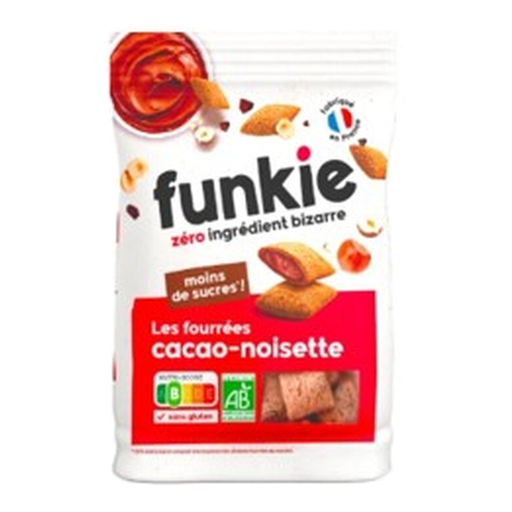 Image unavailable
Filled cereal bars to consider if you prefer this type of snack and ingredients described as organic. The 250 g refers to the whole pack, so check the weight of each bar and the basis for the nutritional values before comparing servings. Also check the packaging for an organic certification mark and allergens, which are particularly important for this product.
Not necessarily. Organic certification doesn’t tell you what the bar provides, and a bar won’t replace a drink. INSEP highlights the importance of eating after exercise, particularly within the following hour. Consider the portion and what else to include in your snack, depending on how strenuous your workout was.
Look for an organic certification mark on the packaging of the exact product, rather than relying on its name or appearance. The French Ministry of Agriculture notes that organic farming is covered by European regulations applied across Member States.
No. Organic certification relates to how a product is produced, not these quantities. Compare protein and sugar per 100 g, then per bar, to take the serving size into account.
Read the ingredients list and any ‘may contain’ warnings for the product you’re buying. The DGCCRF states that allergenic ingredients must be highlighted on the label. Don’t assume one flavour has the same ingredients as another.