
Livraison le jour même ou le lendemain

Qualité garantie

Débloquez vos offres de bienvenue: Livraison GRATUITE | Jusqu'à -80 % | 30 jours d'essai gratuits à JoyPlus
Téléchargez l'application
Choosing an organic baby meal is about more than simply looking for the organic farming logo. From jars and fruit purées to vegetable purées and cereals, the recommended age, texture, allergens and ingredients can vary considerably. To avoid unsuitable purchases, it is better to compare the information on the label rather than rely solely on the brand’s claims.
An organic baby fruit purée with no added sugar generally contains the sugars naturally present in the fruit. This statement does not therefore mean that the product is low in sugar. Check the ingredients list and nutrition table. A recipe made solely from fruit, such as an apple and mango purée, may contain naturally occurring sugars without containing any added sugar.
A baby meal from 4 months does not have the same texture as a dish intended for a child aged 12 or 18 months. First purées are generally smooth, while recipes for older babies may contain soft pieces, pasta or cereals. The age stated on the packaging should remain the first criterion, particularly for a baby dinner from 6 months or a recipe intended to support the weaning process.
A dish can combine vegetables, starchy foods and a source of protein while also containing milk, gluten, egg, celery or fish. Allergens are clearly highlighted on the label, often in capital letters. A recipe with no added salt may also naturally contain sodium or a salty ingredient. Take the time to check the ingredients every time you buy.
For feeding your baby during weaning, start by following the recommended age on the product and the advice provided by the healthcare professional looking after your child. Formats weighing 120 to 130 g are often suitable for snacks or desserts for younger babies, while 190 to 230 g bowls are more commonly intended for older children’s meals.
Also consider the texture:
Choose short ingredients lists if you are looking for a simple recipe. For a baby meal with no added salt, look specifically for this statement and check that there is no salt in the ingredients. For a baby meal with no added sugar, make sure the recipe contains no sugar, syrup or other added sweetening ingredient.
Organic certification relates to the way the certified ingredients are produced; it does not automatically mean that the recipe is free from allergens, sugar or salt. Organic baby cereals, for example, may contain traces of gluten, milk, soya or other ingredients, depending on the manufacturing facilities.
Before opening, many baby food jars can be stored at room temperature in a dry place. Once opened, storage times vary by product: some products state 24 hours, while others allow 48 hours in the fridge. If your baby has eaten directly from the jar, check the storage instructions carefully before keeping the remainder.
To warm an organic baby purée or dish, use a bain-marie or microwave, following the instructions. Stir well, always check the temperature and do not reheat the product if the packaging advises against it. The instructions on the packaging take precedence, as they may change.
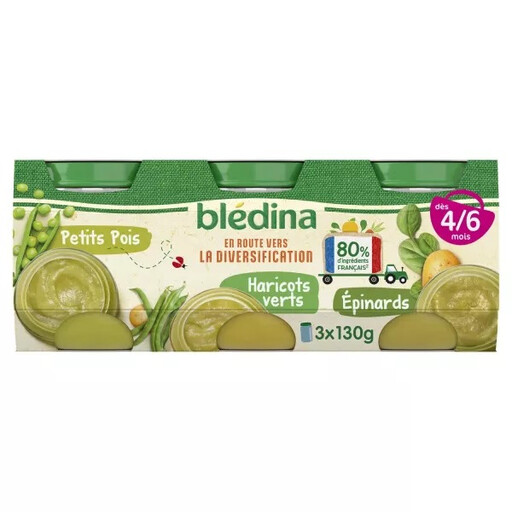
Why this choice suits this profile : This pack of three jars lets your baby discover several vegetables from the earliest stages, with a practical 130 g format that helps minimise waste.
The recommended age, 4 to 6 months, and the smooth texture are clearly stated. The ingredients for each recipe can be checked separately.
Three 130 g jars, vegetable recipes and no palm oil, suitable for first spoonfuls.
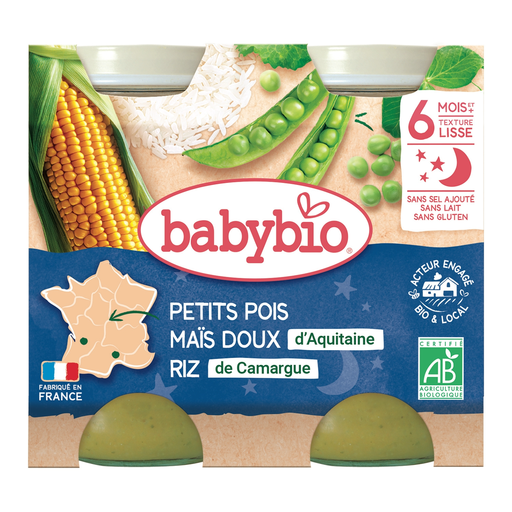
Why this choice suits this profile : This recipe combines several organic ingredients with vegetables sourced from French regions, making it suitable for families who pay close attention to product origins.
The product details specify the recommended age, from 6 months, as well as the absence of added salt, milk and gluten. The proportions of the different vegetables are also provided.
Two 200 g jars, an organic recipe with no added salt, milk or gluten.
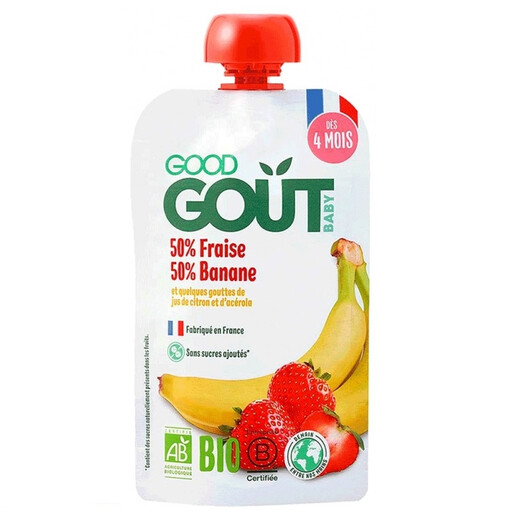
Why this choice suits this profile : The soft pouch slips easily into a bag for an outing, a day at nursery or travelling, and can also be served with a spoon.
The recipe contains 50 % strawberry and 50 % banana, with no added sugar or preservatives. However, naturally occurring sugars should still be taken into account.
120 g format, made in France, packaging free from BPA and phthalates according to the product details.
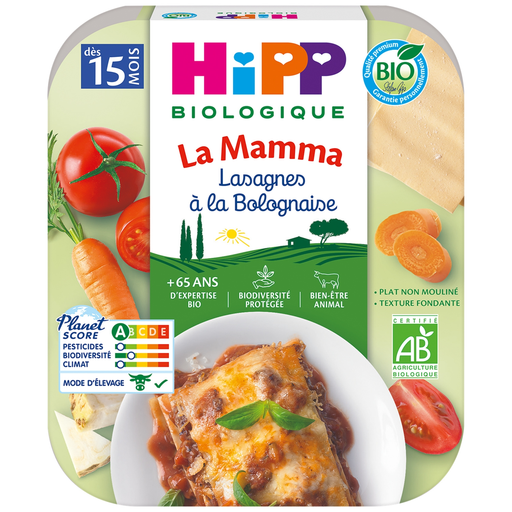
Why this choice suits this profile : From 15 months, its soft-piece texture supports the transition to dishes that are more similar to everyday meals.
The recommended age and texture are stated explicitly. The presence of wheat, egg, milk and celery is also highlighted.
250 g portion, organic ingredients and an unblended texture for children ready to discover small pieces.
We have put together a complete, real-time updated list of products that meet these strict selection criteria and European safety regulations.
Products labelled from 4 months may be suitable for first purées or fruit purées, depending on the advice you have received for your child. Start by checking the recommended age, smooth texture, ingredients list and any allergens. A small portion of apple and banana purée or vegetable purée can make it easier to observe which flavours your baby accepts.
Place it in the fridge after opening and follow the storage period stated on the packaging, generally 24 or 48 hours depending on the recipe. If your baby has eaten directly from the jar, it is best not to keep the leftovers. Do not freeze the product if the instructions advise against it.
No. Some recipes are made with rice and quinoa and state that they contain no added sugars, while still carrying a warning about possible traces of gluten. Others contain wheat or semolina. Always read the ingredients list, allergens and preparation instructions before preparing the product.