
Livraison le jour même ou le lendemain

Qualité garantie

Débloquez vos offres de bienvenue: Livraison GRATUITE | Jusqu'à -80 % | 30 jours d'essai gratuits à JoyPlus
Téléchargez l'application
Choosing organic baby food is about more than simply spotting an ‘organic farming’ logo on the packaging. Between instant cereals, baby food jars, porridges and evening meals, your baby’s age, the texture, allergens and storage instructions can make all the difference between a convenient purchase and a product that is genuinely suitable.
Parents regularly make three mistakes:
For a baby meal from 6 months, start by checking that the recommended age matches your child’s stage of weaning. Cereals that need to be mixed, such as organic baby cereals with rice and quinoa, provide a smooth texture when prepared according to the stated quantities.
From 8 months onwards, some baby meals from 8 months offer a thicker texture, as well as combinations of vegetables, rice or quinoa. The age stated on the packaging remains the reference point: it should not be inferred from the recipe or replaced with a simple interpretation of its ingredients.
The claim no added sugars does not mean that the product contains no naturally occurring sugars. To find out, check the complete ingredients list and the nutrition table. Likewise, no added salt does not necessarily mean that the recipe contains no sodium at all.
When comparing an organic baby purée or an evening meal, pay particular attention to:
A vanilla semolina for babies may contain milk, wheat and sugar, so it is not in the same category as a porridge made from cereals with no added sweetening ingredients.
Check the allergens before every purchase, even when the recipe appears particularly simple. Milk, gluten, soya, lupin, mustard, peanuts and nuts may be included in the ingredients or mentioned under ‘may contain traces’.
Also take the time to read the practical instructions:
The information on the packaging is the definitive source: it may change depending on the batch or packaging format.
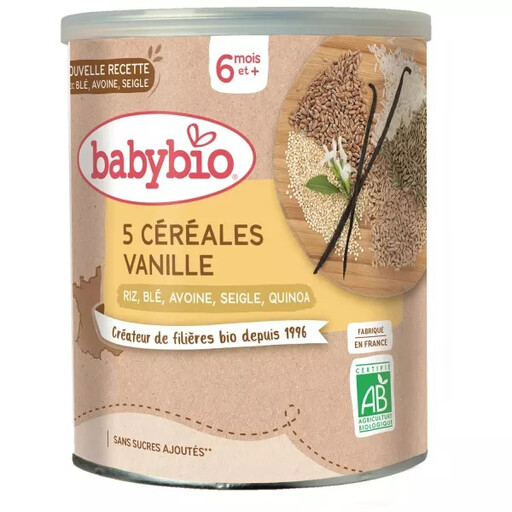
Why this choice suits this profile : This 220 g box is ideal for parents who want to start simply with cereals that need to be prepared, from the age stated on the packaging.
The ingredients clearly distinguish rice flour, quinoa flour and vanilla extract. The recipe is advertised as having no added sugars, but may contain traces of gluten, milk, lupin, mustard and soya.
88.9 % rice flour, 9.8 % quinoa flour, declared vitamin B1 and preparation with approximately 200 ml of water or your baby’s usual milk.
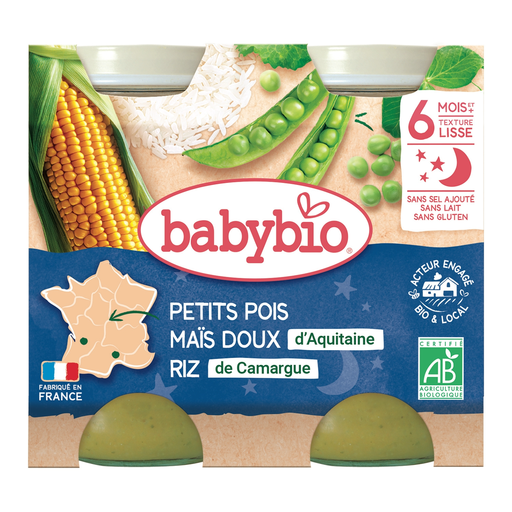
Why this choice suits this profile : This twin pack of 200 g jars is designed for households that prefer a ready-to-serve evening recipe with a plant-based ingredients list that is easy to understand.
The recommended age, and the absence of added salt, milk and gluten, are clearly stated. However, check the label when the product arrives, as you would with any food product.
84.5 % vegetables, including 24 % peas and 14 % sweetcorn, in a total 400 g pack. Can be reheated in a bain-marie or microwave.
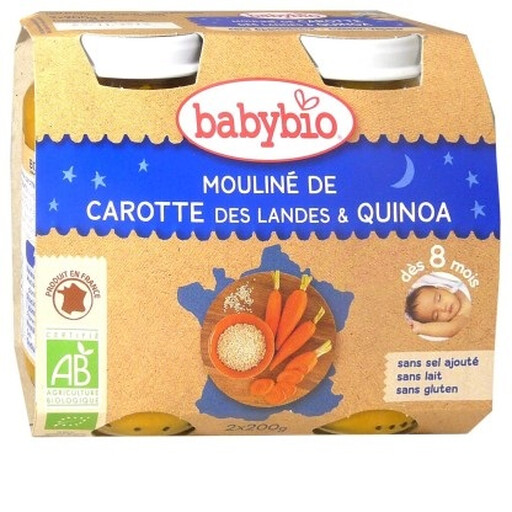
Why this choice suits this profile : A practical way to vary evening meals from 8 months, particularly when you are looking for a recipe combining quinoa and vegetables.
The recipe is advertised as having no added salt, milk or gluten. However, the label specifies that it contains quinoa and gives the storage instructions after opening.
48 % carrots, 11 % sweet potatoes and 6 % quinoa, making 73 % vegetables in total. The pack contains two 200 g trays.
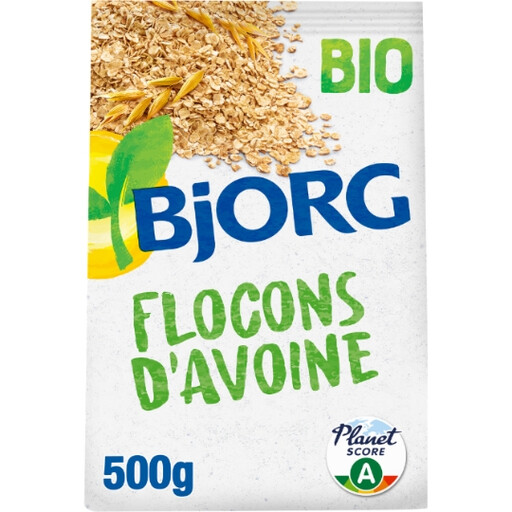
Why this choice suits this profile : This family-sized pack is aimed at adults who regularly prepare porridge, muesli or homemade recipes and want a versatile ingredient.
The ingredients list contains just one ingredient: wholegrain oat flakes from organic farming. However, the product contains gluten and is not intended for infants.
500 g bag, 11 g of fibre and 11 g of protein per 100 g according to the product information, with no additives or added sugars.
We have brought together a complete, real-time updated selection of products that meet these demanding criteria and European food safety regulations.
For quinoa baby cereals, carefully follow the stated volume of liquid and temperature. The Babybio quinoa and vanilla product recommends approximately 200 ml of lukewarm water or your baby’s usual milk, followed by three to four measuring spoonfuls. The preparation should be served immediately: leftovers must not be kept.
For an organic baby evening meal in a jar:
Storage times vary by product: some state 24 hours after opening, while others state 48 hours. Do not freeze a product if the label advises against it.
Not without checking first. Porridge for adults may contain sugar, salt, chocolate, peanuts or hazelnuts, as well as gluten. Organic oat flakes intended for adults are not a substitute for infant cereal with a clearly stated recommended age.
A baby food jar offers convenient portioning and packaging, along with clear reheating and storage instructions. Homemade food lets you choose the ingredients, but it requires strict hygiene, a texture suitable for your child’s age and storage in line with recommendations for feeding infants.
Start with the age stated on the packaging, then check the texture, allergens, presence of salt or added sugars and portion size. If you have any questions about introducing a food or managing an allergy, ask a healthcare professional for advice.