
Livraison le jour même ou le lendemain

Qualité garantie

Débloquez vos offres de bienvenue: Livraison GRATUITE | Jusqu'à -80 % | 30 jours d'essai gratuits à JoyPlus
Téléchargez l'application
Choosing organic baby food isn’t just about spotting a logo or a nice promise on the packaging. The recommended age, texture, allergens and storage conditions all play a part in whether a product is right for your child.
Between baby meals from 4 months, fruit purées, cereals and dishes containing lumps, certain mistakes crop up time and again. Here are the criteria to check before you buy, along with a selection of products suited to different everyday needs.
A product labelled “from 8 months” or “from 15 months” should be chosen with your child’s eating habits and ability to handle the texture in mind. A dish with soft, melt-in-the-mouth pieces isn’t the same as a perfectly smooth purée.
The age stated on the packaging is your main guide. For a first introduction, or if you’re in any doubt, ask a healthcare professional or a specialist in infant nutrition for advice.
The organic label refers to how the ingredients are produced, but it doesn’t tell you everything about the recipe, the amount of naturally occurring sugars, the texture or the allergens. An organic product for babies may contain milk, gluten, egg, fish or celery.
So take the time to read the ingredients list, the allergens flagged and the preparation instructions. For products sold as organic, also check the certification shown on the packaging, particularly the European logo and the certifying body’s code.
Larger packs might seem more economical, but once opened, a portion often needs to be eaten within 12 to 48 hours, depending on the product. A multipack of fruit pouches works well for a family that uses them regularly, whereas individual jars or pots help avoid leftovers.
After opening, follow the storage temperature, the time limit stated and the cold chain. A preparation that has already been reheated should not be kept for another meal.
For a baby meal from 4 months, generally go for a smooth texture and a simple recipe. Fruit or vegetable purées are a good way to start gradually, in line with the advice you’ve been given.
From 6 months, organic baby cereals may come as a powder to mix with water or your baby’s usual milk. The Babybio Quinoa Vanilla Cereals 6M product, for example, is mainly rice flour and quinoa flour. Once prepared, the porridge should be eaten straight away and must not be stored.
From 8 or 12 months, textures usually become thicker. For baby pasta, check that the pieces are soft enough and suitable for your child’s chewing ability. From 15 months, some dishes offer tender pieces to help with the transition to family meals.
Look at the ingredients in descending order of quantity. A fruit purée made mostly of fruit is easy to understand. The Babybio Apple Mirabelle Plum 4M purée, for instance, combines 85% apples and 15% mirabelle plums, with no added sugars according to the information provided.
But be careful about the difference between no added sugars and sugar-free. Fruit naturally contains sugars. The Blédina Apple, Pear and Mandarin purée from 8 months also states no added sugars, while containing the naturally occurring sugars from the fruit.
Check allergens with every purchase, even if you already know the brand. They can include milk, gluten, egg, fish, soya or celery.
A ready-to-eat baby evening meal can be very handy on busy days, but its ingredients must be suitable for your child’s age. Individual pots are especially good for nursery, on the go or for meals in pre-portioned sizes.
For a baby meal from 12 months, compare the quantity, texture and ingredients. Some products combine pasta, vegetables and a milk-based preparation, while others mix cereals, vegetables and fish. Also pay attention to whether salt has been added, the type of fats used and the reheating instructions.
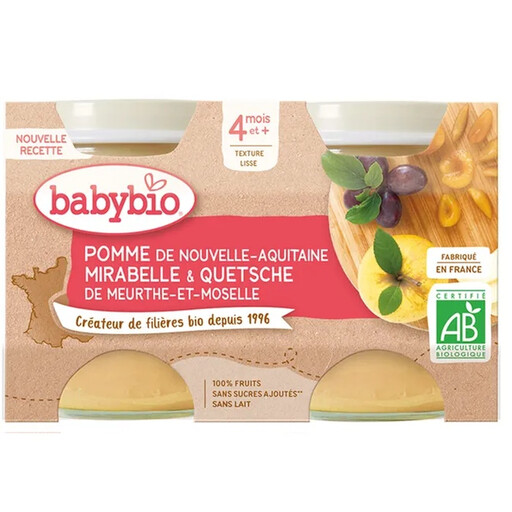
Why this choice suits this profile: This pack of two 130 g jars lets you start with a measured amount and a short recipe based on apples and mirabelle plums.
The stated ingredients are easy to understand and the product is suitable from 4 months. It avoids starting with a recipe that is too complex or a large pack size.
An organic fruit purée, with no added sugars according to the product sheet, available in two individual portions.
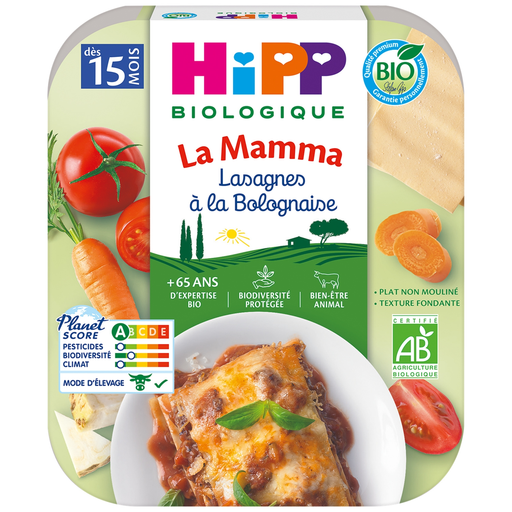
Why this choice suits this profile: This 250 g dish puts a twist on a classic Italian favourite, with a texture of soft pieces suitable for children from 15 months.
The recommended age and texture are clearly stated. The product sheet also lists the allergens, which include gluten, egg, milk and celery.
Ingredients from organic farming according to the product sheet, steam-cooked vegetables and a BPA-free and phthalate-free tray as per the information provided.
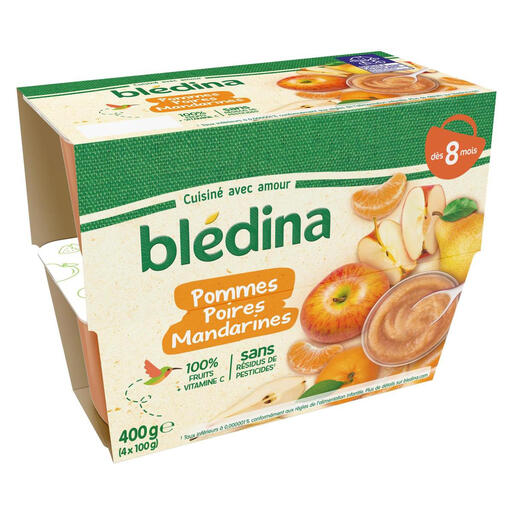
Why this choice suits this profile: The four 100 g pots make it easy to organise snacks, desserts or meals on the go, with a pre-portioned serving.
The individual format means you don’t have to store a large opened quantity. The product sheet states it can be kept in the fridge for 12 hours after opening.
Three fruit combinations, a smooth texture and no added sugars as stated by the manufacturer.
We’ve put together a full, real-time updated selection of products that meet these exacting criteria, as well as European safety regulations.
Some products are labelled from 4 months, but introducing them depends on your child’s weaning journey. Check the recommended age on the packaging, the texture and the ingredients. “No added sugars” means the recipe contains no added sugar; the fruit naturally provides its own sugars.
From the age stated, compare the presence of vegetables, starches, milk or other ingredients, as well as the allergens. A product like Blédina Blédiner Leek and Bulgur from 8 months contains milk, gluten and celery, for example – this information should be taken into account before buying.
Formats of 200 to 230 g are common for meals aimed at children from 12 months, but appetites vary from child to child. Serve an amount that matches their hunger cues and follow the storage instructions. From 15 months, recipes like small pasta shells, macaroni or cannelloni can help with the gradual discovery of textures, always under adult supervision.