When choosing an organic almond drink for breakfast before a marathon, check for the EU organic logo, then read the ingredients list and nutritional information. A no-added-sugar recipe and a more intense version may suit different preferences. The drink is just one part of your meal, not a fuelling plan in itself; the 2019 World Athletics consensus highlights that carbohydrate and fluid intake depend, among other things, on when you exercise and your individual strategy.
Who is this choice for?
Runners planning their breakfast
You’re looking for a drink to have alongside the food you’ve planned before exercise, without mistaking it for your carbohydrate intake. The 2019 World Athletics consensus distinguishes between fuelling strategies according to when an event takes place.
Shoppers who care about organic certification and ingredients
You want to spot the organic certification on the packaging, then check the almond content, ingredients and sugars separately. According to Agence Bio, the EU organic logo indicates compliance with European organic farming regulations.
Runners comparing recipes
You’re choosing between a no-added-sugar drink and a recipe with a more intense almond flavour. Carrefour France product listings show that both types of recipe can be available in the same organic range.
What should you compare?
For breakfast before training or a race, first decide how the drink fits into your meal, then check its ingredients and the size you’ll be having.
| What to consider |
What to check |
Who this matters to |
| Its place in your meal |
Compare the carbohydrates in the portion you’ll actually drink with the other food you’ve planned before exercise. |
I want to know what the drink adds to my breakfast, without relying on it alone for carbohydrates. Around 33% of consumers prioritise the make-up of this meal. |
| Organic certification and ingredients |
Look for the EU organic logo, then read the ingredients list and check the proportion of almonds. |
I want to recognise organic certification on the packaging and know what the recipe contains. Ingredients and organic certification come first for around 27% of consumers. |
| Sugars and recipe |
Distinguish the sugars listed in the nutrition table from any added sugars in the ingredients. |
Before a race, I prefer a recipe whose taste and ingredients suit my training routine. For around 27% of consumers, choosing the right recipe is the priority. |
| Pack size and storage |
Choose a size to suit how often you drink it, and follow the stated guidance for how long to keep it after opening. |
If I rarely drink this, I don’t want to leave a large carton open for too long. Pack size and storage are the priority for around 13% of consumers. |
Mistakes to avoid
-
Thinking a light drink is enough to fuel you
The Auchan France listings we checked give 1.7 g of carbohydrates per 100 ml for Auchan Bio and less than 0.5 g per 100 ml for Ethiquable. These figures alone don’t tell you what an entire meal provides.
Consider the portion you’ll drink and how it fits with the food and fluids you’ve already planned and tried in training.
-
Assuming organic means no added sugars
The Carrefour France listing for Carrefour Bio Intense almond drink gives 4 g of added sugars per 100 g. Organic certification and sugar content answer two different questions.
Check the EU organic logo, ingredients list and sugar information separately.
-
Choosing a pack size without checking storage guidance
Guidance after opening varies by product: the Auchan France listings we checked recommend keeping Auchan Bio and Ethiquable in the fridge for five days, compared with four days for the Bjorg 3 × 250 ml multipack.
Choose a size based on how much you’ll drink within the time stated on the carton.
-
Overlooking almonds and other allergen information
Almonds are an ingredient in these drinks. The Auchan France listing for the Bjorg 3 × 250 ml multipack also mentions the possible presence of other nuts.
Check the ingredients and any ‘may contain’ warnings on the packaging of the specific product you’re considering.
Brands to compare
Carrefour Bio
Carrefour France listings include a no-added-sugar organic almond drink and an Intense Bio version.
- The recipes we checked contain 2.8% and 7% almonds respectively.
- The Intense version also contains 4 g of added sugars per 100 g, so check which recipe suits you.
Auchan Bio
The no-added-sugar organic almond drink listed by Auchan France comes in a 1 L carton.
- Its product listing gives 1.7 g of carbohydrates and 0.7 g of protein per 100 ml, which can help you work out how it fits into your meal.
- Once opened, the listing says to keep it in the fridge and use within five days.
Bjorg
An organic, sugar-free option listed by Auchan France comes in a pack of three 250 ml cartons.
- The individual cartons let you open one portion at a time.
- For this product, the listing says to keep it in the fridge and use within four days of opening.
Ethiquable
The organic, sugar-free almond drink listed by Auchan France comes in a 1 L carton.
- The listing gives less than 0.5 g of carbohydrates per 100 ml, which is worth factoring into your breakfast.
- The listing says to keep it in the fridge and use within five days of opening.
Almond drinks on Joybuy
These almond drinks can be considered as part of your breakfast before exercise. If organic certification is important to you, check for the EU organic logo on each product’s packaging, and compare the recipe with your training routine.
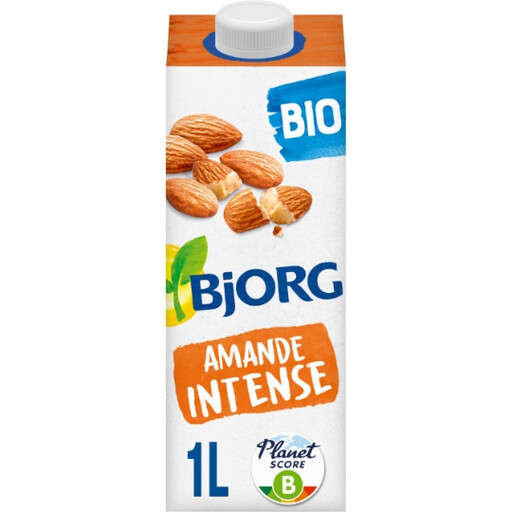 Image unavailable
Bjorg Organic Intense almond drink, 1 L
If you’re considering the Intense version for breakfast, compare its recipe with the food you’ll have before exercise. Check for the EU organic logo on the packaging. The ‘no added sugars’ claim should be considered alongside the cane sugar listed in the ingredients.
View on Joybuy
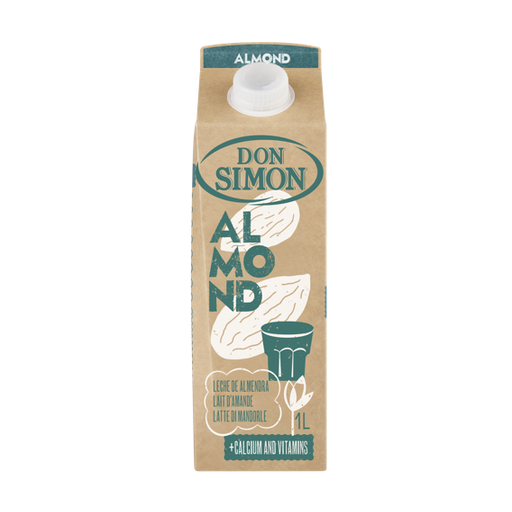 Image unavailable
Don Simon Sugar-Free almond drink, 1 L
To include it in your breakfast, check the carbohydrates in the portion you plan to drink and in the other food you’ve planned. The Sugar-Free name doesn’t match the ‘sugars’ line in the nutrition table, so check the label. If you’re looking for an organic drink, check for the EU organic logo too.
View on Joybuy
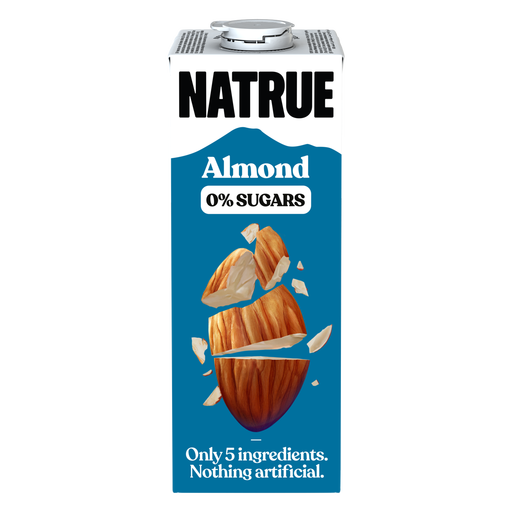 Image unavailable
Natrue 0% almond drink, 1 L
If you’re having it with other breakfast foods, check the carbohydrates per serving before counting this drink as part of your meal. Also check for the EU organic logo, along with the ingredients and allergen information on the packaging.
View on Joybuy
Frequently asked questions
How can you identify an organic almond drink?
Look for the EU organic logo on the packaging of the product you choose. According to Agence Bio, this logo indicates compliance with European organic farming regulations; it doesn’t tell you how many almonds the recipe contains or how much sugar it has.
Is a no-added-sugar almond drink enough before a marathon?
Don’t treat it as a fuelling plan on its own. The 2019 World Athletics consensus describes carbohydrate and fluid intake strategies according to when an event takes place. Consider the portion you drink and the other food and drinks you’ve already tried in training.
How long can you keep a carton after opening?
Follow the guidance on the carton you buy. The Auchan France listings we checked recommend keeping Auchan Bio and Ethiquable in the fridge for up to five days after opening, and the Bjorg 3 × 250 ml multipack for four days. These instructions apply to those specific products.
What should you check about nuts?
Check the ingredients and any ‘may contain’ warnings for each product, as almond drinks contain almonds. The Auchan France listing for the Bjorg 3 × 250 ml multipack warns that it may contain other nuts too. Don’t assume this applies to another version without checking its packaging.


