Shoppers who care about origin
You want to know which country the honey was harvested in, rather than trying to work it out from the jar’s presentation or where it was packed.


To order honey online, choose a texture and quantity to suit your needs, then check the country of harvest and availability for your address or collection point. A statement about where the honey was packed is not enough to establish its origin.
You want to know which country the honey was harvested in, rather than trying to work it out from the jar’s presentation or where it was packed.
You choose honey to suit how you’ll use it: a texture to pour or spread, a suitable container and a quantity that matches how much you get through.
Start by thinking about how you’ll use the honey and checking its origin details. Then select your address, shop or collection point to check whether you can place your order.
| What to consider | What to check | Who is it for? |
|---|---|---|
| Jar size | The net weight and how much you’ll use. | If I only eat honey occasionally, I want a jar that suits how often I’ll use it; around 25% of consumers prioritise quantity. |
| Origin | The country or countries of harvest listed on the label. | I want to know where the honey comes from before choosing a jar; for around 25% of consumers, this is the top priority. |
| Texture and container | Whether the honey is runny or creamy, and the type of container. | If I’m spreading or pouring honey, I want a texture that suits how I’ll use it; nearly 25% of consumers prioritise this above all else. |
| Availability | The shop, address and collection or delivery slot. | If I need to collect my shopping at a specific time, I need a jar that I can order for collection; availability is the top priority for around 25% of consumers. |
According to the DGCCRF, statements such as “packed by the beekeeper” do not prove that the honey comes exclusively from their own harvest.
If origin matters to you, check the country or countries of harvest on the label rather than relying on this statement.
You may need to select a shop or enter an address before a product page offers collection or delivery. Some E.Leclerc product pages, for example, direct you to check availability for collection without allowing you to order directly from that page.
Select your shop or enter your address, then check the product and time slot before confirming your order.
Anses advises against giving honey to babies under one year old because of the risk of infant botulism, regardless of where the honey comes from.
Do not include honey in the diet of a child under one year old.
The online range includes several blossom honeys in different textures and sizes.
Some honey product pages invite you to check availability for collection.
The range includes runny and creamy honey, as well as squeezy bottles, with collection and delivery options.
The online grocery range includes several honey products for home delivery.
The retailer features blossom honeys and directs shoppers to its stores.
The retailer distinguishes its in-store offers from its online business.
These jars of blossom honey let you choose between the textures listed and two different sizes. For each one, check the origin details on the label and whether it can be ordered for your address.
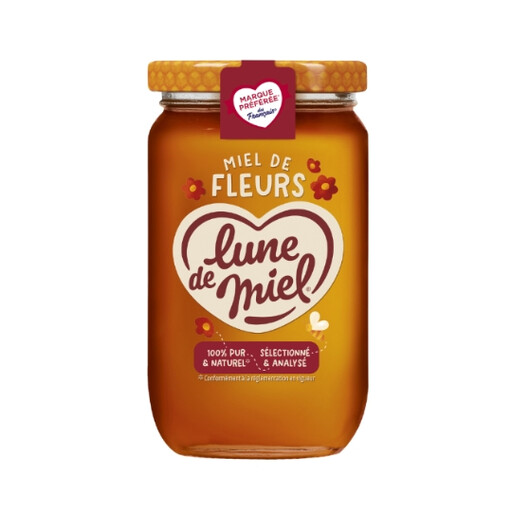 Image unavailable
Worth considering if you’re looking for a 375 g jar of runny honey to pour into a drink or recipe.
Check the country of harvest on the label and whether it’s available for your order.
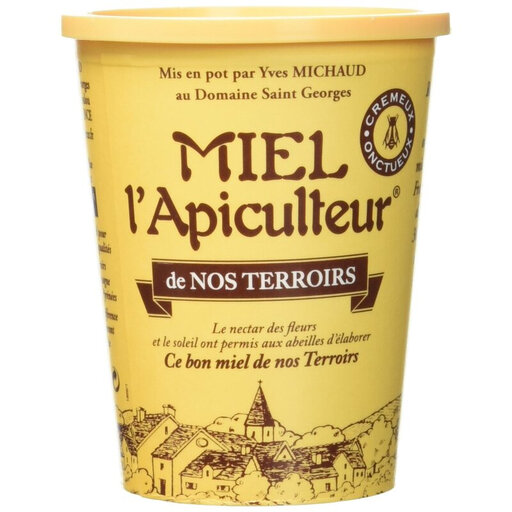 Image unavailable
A good option for toast if you’re looking for a 500 g jar with a creamy texture.
If origin is important to you, check the country of harvest on the label before ordering.
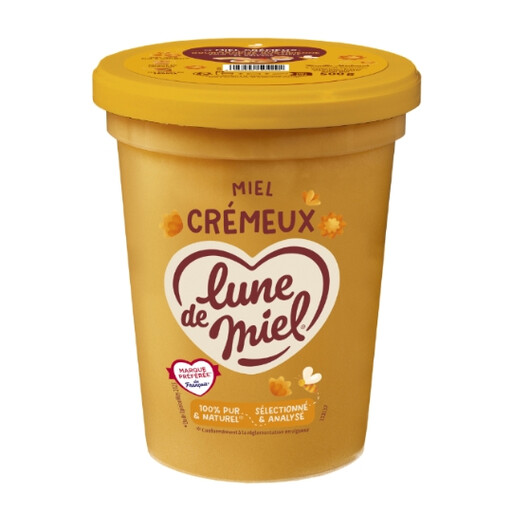 Image unavailable
This 500 g jar of creamy blossom honey is a good choice if you’re looking for a texture that’s easy to spread.
Check the origin shown on the label and whether it’s available for your address.
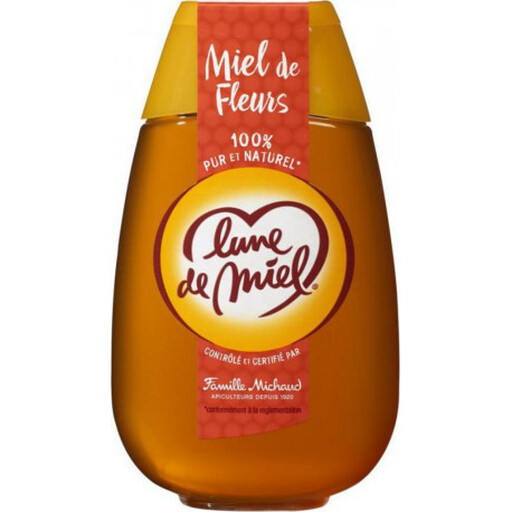 Image unavailable
Worth considering if you’re looking for a 500 g jar of runny blossom honey to pour into drinks or recipes.
If origin is a deciding factor, check the country of harvest on the label rather than relying on a general statement about where it comes from.
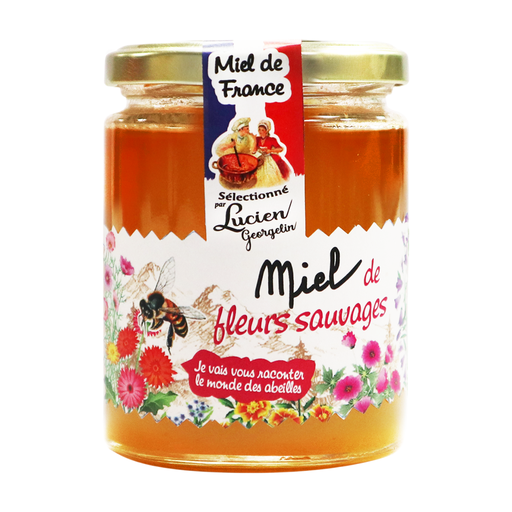 Image unavailable
This 375 g jar could be a good fit if you’re looking for this size of wildflower honey.
To choose based on origin or texture, check the product details and label before confirming your order.
According to the DGCCRF, the origin is the country where the honey was harvested. When choosing a jar, check this information on the label rather than assuming the origin from where it was packed.
No. Honey should not be given to babies under one year old. Anses advises against it, regardless of the honey’s origin, because of the risk of infant botulism.
No. Whether you can order depends on the options available for your shop, address or chosen time slot. Select these details and check the product in your basket before confirming.
Choose a texture to suit how you’ll use it: runny honey is easy to pour, while creamy honey is easier to spread. Check the texture listed for the jar you’re ordering.