
Livraison le jour même ou le lendemain

Qualité garantie

Débloquez vos offres de bienvenue: Livraison GRATUITE | Jusqu'à -80 % | 30 jours d'essai gratuits à JoyPlus
Téléchargez l'application
Orange products are suitable for a wide range of uses: orange juice at breakfast, a refreshing drink, nectar, fizzy drink, syrup for cocktails, confectionery or dessert. This variety offers plenty of choice, but it can also make comparisons more difficult.
Before you buy, three common pitfalls are worth keeping in mind:
For orange juice, check whether it is not-from-concentrate juice, juice made from concentrate or a drink combining several fruits. Ingredients are always listed in descending order by quantity.
For example, Joker Orange-Carrot-Lemon Juice 90cl combines 50% orange juice, mandarin, apple juice, 10% carrot and 2% lemon. It is therefore not a pure orange juice, but a blend of fruit and vegetables. Meanwhile, Joker Orange-Kiwi-Banana Juice 90cl contains, among other ingredients, 22% orange juice, 31% apple juice, 11% kiwi purée and 5% banana purée.
For a sugar-free orange drink, also check which sweetener is used. The absence of sugars may go hand in hand with polyols or intense sweeteners, which affect both the taste and the nutritional profile.
Compare products on a like-for-like basis. An orange fruit juice contains sugars naturally present in the fruit, whereas an orange fizzy drink or syrup often contains a significant amount of added sugar.
Here are a few figures taken from the product listings:
These figures alone are not enough to determine whether a product is ‘good’ or ‘bad’. They are mainly useful for checking whether it suits the intended use: breakfast, an occasional drink, dessert topping or a cocktail.
For everyday consumption, a 750 ml to 1 litre bottle is generally convenient. After opening, storage instructions vary between products: some must be kept in the fridge and consumed within the following few days, or even within 12 hours in the case of Huiyuan juice.
Smaller formats are better suited to travel and individual portions. Syrup lasts longer and can be used to prepare several drinks, but it must be correctly measured and diluted. For confectionery, remember to check the net weight, allergens and any additives.
Imported products, particularly certain Japanese orange food products, may also include additional information on their original packaging. Before consuming them, check the French labelling where available and verify the best-before date.
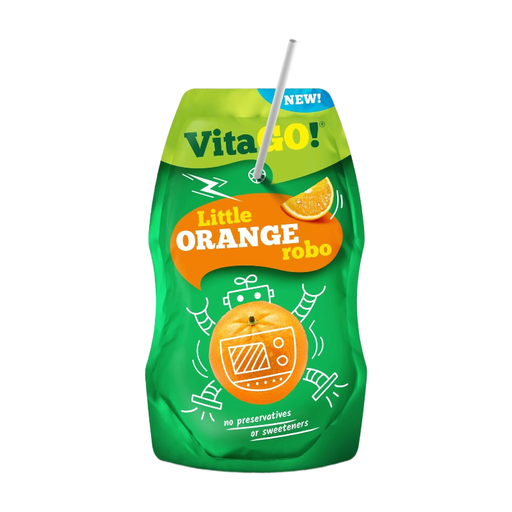
Why this choice suits this profile : At 200 ml, this individual serving slips easily into a bag and is just as suitable for the office or school as it is for travelling.
The net quantity and nutritional values are clearly stated, making it easy to compare with other orange drinks.
A compact 200 ml format, with 37 kcal and 9.2 g of sugars per 100 ml according to the product listing.
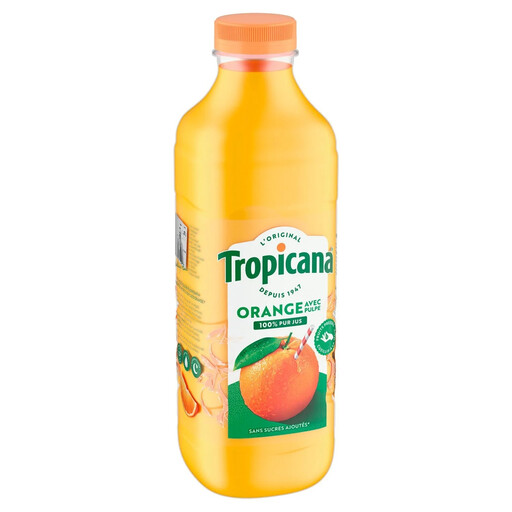
Why this choice suits this profile : Its recipe, advertised as made with 100% pressed oranges, and its visible pulp appeal to those looking for a fuller texture.
The listing clearly distinguishes the orange juice from the pulp and states that there are no added sugars or preservatives, according to the information provided.
A one-litre bottle with orange pulp, 45 kcal and 9.8 g of sugars per 100 ml, according to the product listing.
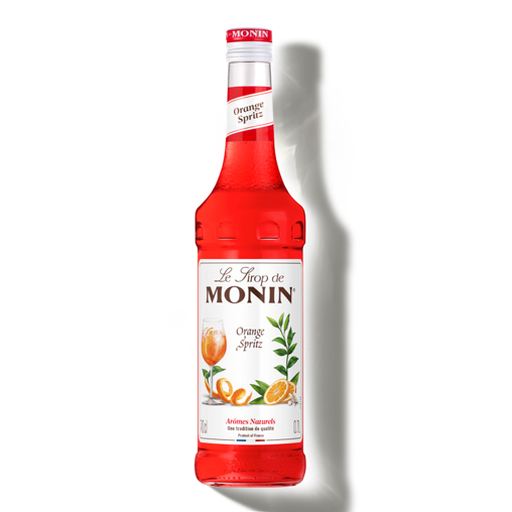
Why this choice suits this profile : At 700 ml, this syrup is suitable for regularly preparing drinks, desserts and cocktails, whether at home or in a professional setting.
This is a syrup to be diluted, not a ready-to-drink juice. The listing also specifies the proportion of fruit juice and orange juice.
Adjustable strength, a 700 ml capacity, concentrated orange and lemon juices, plus refrigerated storage after opening.
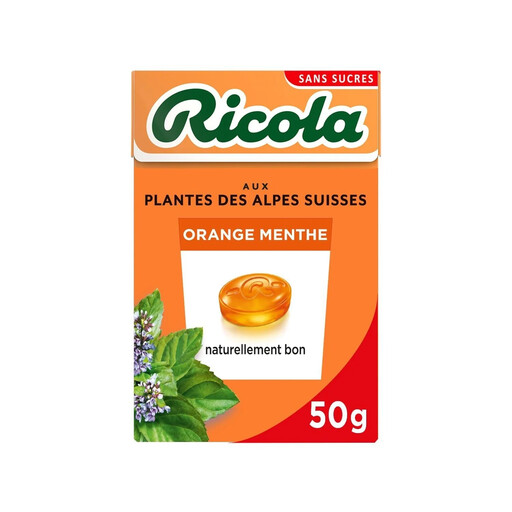
Why this choice suits this profile : This 50 g tin is easy to carry in a bag and is suitable for a short occasional break, particularly when travelling.
The listing states 0 g of sugars per 100 g while detailing the sweeteners used. This makes it possible to assess the recipe rather than relying solely on the marketing claim.
A 50 g tin, an orange and mint flavour, a blend of plant extracts and no declared sugar.
We have put together a complete, real-time updated list of products that fully meet these strict selection criteria and European safety regulations.
For a sweet treat, dried orange fruit and orange jellies can be enjoyed as they are or used in baking. MUSHAN Tangerine Dried Fruit 50g contains at least 79.5% orange and 13% sugar. It also contains sulphites, which is something to consider for people sensitive to this allergen.
Shimonita 100% Juice Jelly Orange Flavor 150g combines orange juice and apple juice. It contains 22.5 g of sugars per 100 g. It is therefore an orange confectionery product and should not be confused with a low-sugar dessert.
To serve a large number of people, the Spring Valley Orange Sparkling Drink 330ml pack, containing 24 cans, is particularly practical. Each can provides approximately 34.7 g of carbohydrates, including 34.7 g of sugars, according to the product listing. This format is better suited to festive or group occasions than to those looking for a sugar-free orange drink.
Orange juice is made from fruit juice, obtained either directly by pressing or from concentrate. Nectar may contain fruit juice or purée, to which water and sometimes sugar are added. An orange drink may contain a much lower proportion of fruit and include flavourings. The label makes it possible to tell the difference.
Always follow the manufacturer’s instructions first. Depending on the product, the juice should be refrigerated and consumed within 3 to 5 days, or sooner. Close the bottle carefully after each use and check its appearance, smell and date before serving it.
An orange syrup such as MONIN allows you to measure the preparation precisely and combine it with sparkling water, juices or spirits. Orange juice or nectar provides more volume and a different texture. Before preparing several glasses, remember to compare their sugar content.