Hosts who want to serve orange juice
If you’d rather serve a fruit drink than a fizzy soft drink, start by reading the product description and ingredients. Then choose with or without bits, depending on the texture you prefer.


For Sunday brunch, choose orange juice if the type of drink matters more to you than the bubbles; choose a fizzy orange drink if you’re mainly looking for some sparkle. These are two different types of drink, made to different recipes. Before planning what to serve, check the product description, ingredients, sugars per 100 ml and pack size.
If you’d rather serve a fruit drink than a fizzy soft drink, start by reading the product description and ingredients. Then choose with or without bits, depending on the texture you prefer.
If you’d like to serve a fizzy orange drink, compare the stated juice content, sugars and packaging. A carbonated drink containing citrus juice isn’t the same as pure orange juice.
If the amount you serve is important to your choice, check the ‘of which sugars’ figure per 100 ml and compare it with the size of your glass or can. Also check how many drinks are in a pack.
First, decide whether you want to serve juice or a fizzy drink. Then compare the recipe, sugars and packaging to choose between the options in your preferred category.
| What to consider | What to check | Who it’s for |
|---|---|---|
| Type of drink | Read the product description, then the ingredients: ‘juice’ or ‘pure juice’ describes a different drink from ‘soda’ or ‘carbonated drink’. | I want my main drink to be orange juice, even if it isn’t fizzy. Around 40 % of consumers would prioritise this type of drink. |
| Bubbles and serving | Check whether it contains carbonated water, then choose between a bottle to share and individual cans, depending on how you plan to serve it. | If everyone is to have a fizzy drink at the table, the packaging matters just as much as the bubbles. This would be the top priority for around 30 % of consumers. |
| Sugars and quantity | Compare the ingredients and the ‘of which sugars’ figure per 100 ml, then take into account the amount you’ll actually serve. | I prefer to know how much sugar is in my glass or can before choosing between recipes. Around 30 % of consumers would put checking sugars and serving sizes first. |
The fizzy orange drinks described by E.Leclerc and Carrefour combine carbonated water with some citrus juice. They’re therefore not the same choice as pure orange juice.
First, read the product description, then check the ingredients and the stated juice percentage for the product you’re interested in.
Carrefour’s product listing for Joker orange juice with no added sugars explains that it contains naturally occurring sugars. The claim alone doesn’t tell you how much sugar is in a serving.
Check the ‘of which sugars’ figure per 100 ml and the amount you plan to serve.
A 1.5 L bottle and six 330 ml cans won’t work in quite the same way at the table. A large pack may also contain more servings than you need.
Compare the volume and number of containers with your guest list and the other drinks you’re planning; check that the product is available before ordering.
These examples show how juice and fizzy drinks can have very different recipes. Always compare the specific product rather than choosing on brand name alone.
An option for serving orange juice without bits, rather than a fizzy drink.
Orange juice made from concentrate, with no bits for a smooth texture.
A carbonated citrus drink with bits, listed by E.Leclerc in a 1.5 L bottle.
A fizzy orange and citrus drink with bits, for a sparkling serve.
Fizzy orange drinks, including options in individual cans.
These canned drinks are for anyone looking for a fizzy option for brunch, with orange, blood orange or pomegranate varieties. If you’d rather serve orange juice, check the product description in a selection of juices instead of treating these drinks as pure juice.
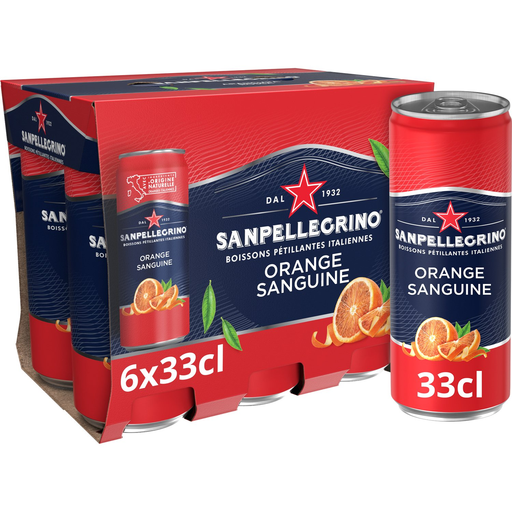 Image unavailable
For serving individual portions of fizzy blood orange drink rather than pure orange juice.
Pack of six 330 ml cans. Joybuy’s product listing states that it contains 15 % citrus juice in total and 8.8 g of sugars per 100 ml; check the nutritional information on the pack you receive.
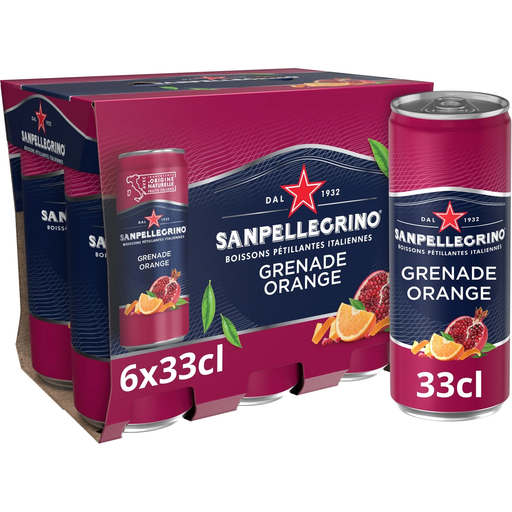 Image unavailable
Choose these cans combining orange and pomegranate if you’re looking for a fizzy alternative for brunch.
Pack of six 330 ml cans; this variety isn’t pure orange juice.
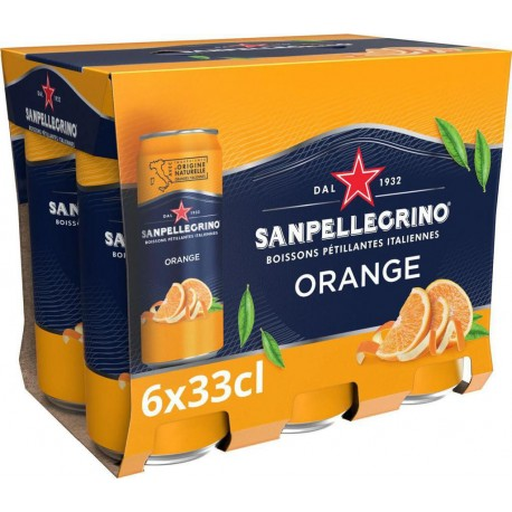 Image unavailable
Serve fizzy orange drink in individual portions.
Pack of six 330 ml cans. If you’re deciding between this and another Aranciata, compare the recipe and sugar content stated on the pack.
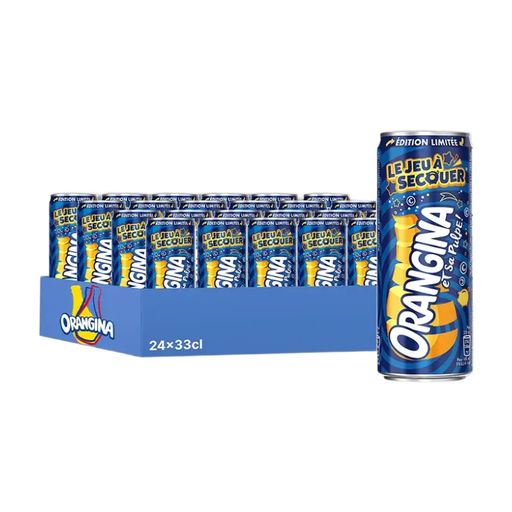 Image unavailable
Serve orange soda in cans for a group of brunch guests.
Pack of 24 330 ml cans: check that this number of servings suits your brunch, and read the ingredients for this particular pack size.
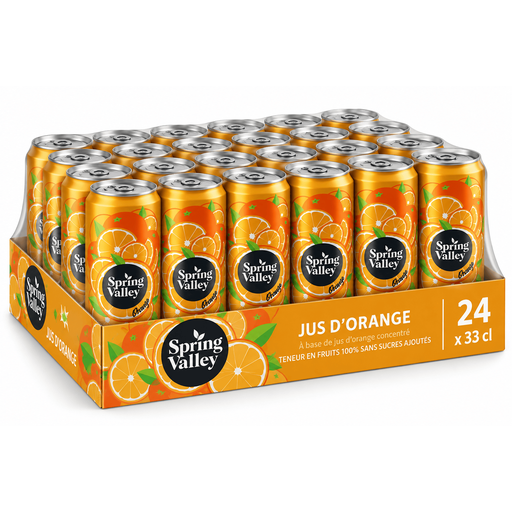 Image unavailable
For a brunch where you’d like to serve fizzy orange drink in individual cans.
Pack of 24 330 ml cans. If juice content matters to you, check the label for the percentage in this product.
No: having orange in the name doesn’t make a drink orange juice. The DGCCRF distinguishes between the product descriptions for juices and nectars. For a fizzy drink, read the product description and check whether it contains carbonated water and how much juice it states.
No: juice with no added sugars can still contain sugars that occur naturally in the fruit. Check the ‘of which sugars’ figure per 100 ml and take the serving size into account.
Start with the number of guests, the other drinks on offer and the serving size you have in mind. Then compare the total volume on the packaging: a 1.5 L bottle and a pack of six 330 ml cans won’t serve the table in the same way.
Follow the instructions for the product you buy rather than assuming the same method applies to every drink. Joybuy’s product listing for the 1.5 L bottle of Orangina says to shake it gently before opening to mix the pulp evenly; check the packaging if you choose a different size.