Those who want fizz at brunch
You’re looking for a fizzy drink with orange or citrus notes to serve at weekend breakfast, and don’t necessarily need it to be pure juice. Check the product name, juice content and sugars per 100 ml.


If orange juice is your first choice for breakfast, look for a product whose name and ingredients confirm that it is pure juice. If fizz matters more for your weekend table, consider fizzy orange drinks as a separate category. Compare their juice content, sugars per 100 ml, any sweeteners and the pack size.
You’re looking for a fizzy drink with orange or citrus notes to serve at weekend breakfast, and don’t necessarily need it to be pure juice. Check the product name, juice content and sugars per 100 ml.
You’d like a fizzy drink but want to compare the sugar content shown on the label. Check the ingredients too: a light version may contain sweeteners. Manger Bouger also recommends limiting diet fizzy drinks.
You’re mainly after juice, and fizz is less important. A product explicitly labelled as pure juice meets this need in a different way from a fizzy drink containing some juice.
Choose this if: you want orange juice to accompany breakfast.
Bear in mind: this option won’t satisfy a craving for fizz; “no added sugars” does not mean “sugar-free”.
Choose this if: fizz matters more than having pure juice on your weekend table.
Bear in mind: juice content and ingredients vary by product, so check the label for sugars and sweeteners.
| Criteria | What to check | Who is it for? |
|---|---|---|
| Type of drink | The “pure juice” description and ingredients, or whether it contains carbonated water and how much juice it contains. | I want orange juice at breakfast, rather than a fizzy drink containing juice; around 29% of consumers would put this distinction first. |
| Fizz and serving | Whether it’s fizzy, whether it contains pulp and the pack size for serving. | For a sociable table, I’m mainly looking for fizz and a drink that’s easy to share; around 24% of consumers would make fizz their priority. |
| Sugars and sweeteners | The “of which sugars” figure per 100 ml and any sweeteners in the ingredients. | If I’m comparing a regular recipe with a light version, I want to know their sugar content and ingredients; around 29% of consumers would make this their first consideration. |
| Pack size | The container’s volume and how much you plan to serve. | When I’m hosting several people, I want a pack size that works for everyone, without confusing the total volume with a serving; around 18% of consumers would put pack size first. |
Pulp doesn’t define a product’s category. According to Carrefour’s product listing, classic Orangina is a fizzy drink containing 12% citrus juice from concentrate and 2% pulp.
If juice is your priority, check the product name and ingredients first.
A lower sugar content may come with sweeteners. E.Leclerc’s product listing for Pulp Orange light states that it contains 1.0 g of sugars per 100 ml, as well as acesulfame-K and sucralose.
Before choosing, compare sugars per 100 ml and the ingredients of the exact product you’re considering.
A large container makes it easier to serve several people, but its total volume isn’t the amount each person will drink. Manger Bouger recommends limiting fruit juice, sugary drinks and fizzy drinks as much as possible, including diet versions.
Decide how much to serve before opening the bottle, and offer water too.
Two pack formats from the same brand may suit different serving needs; the brand name alone doesn’t confirm that the recipe is identical.
Check the volume of each container, the ingredients and the nutritional information for the product you’re buying.
Worth considering if you’re after a fizzy orange drink with pulp rather than pure juice.
A pure orange juice option if juice matters more to you than fizz.
Orange juice options with or without pulp to consider when you don’t need fizz.
A light fizzy drink to consider if you’re comparing the sugar content of orange fizzy drinks.
A large-format orange fizzy drink to compare if you’re planning to serve it at the table.
These options cover a few ways to put together your weekend table: fizzy drinks with orange or citrus flavours, plus an orange juice with pulp if you’d rather skip the fizz. Check the recipe and pack size of each product instead of assuming they’re interchangeable.
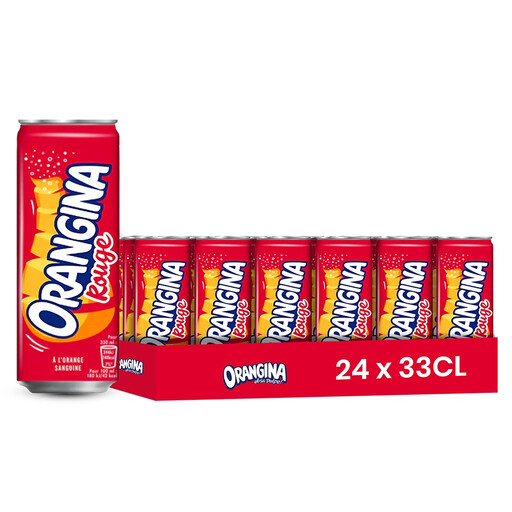 Image unavailable
For serving a fizzy orange and red berry drink at brunch, this pack contains 24 330 ml cans.
It isn’t pure orange juice. If sugar content is a deciding factor for you, check the nutritional information for the product you’re buying.
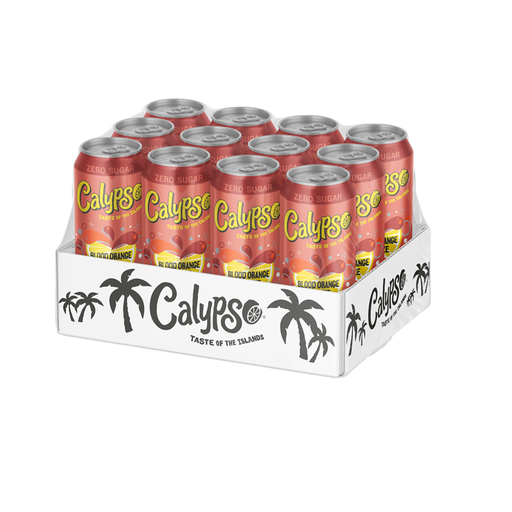 Image unavailable
If you’re after a fizzy blood orange lemonade rather than orange juice, this pack contains 12 33 cl cans.
To compare sugars and find out which sweeteners the recipe contains, check the ingredients and nutritional information for the exact product.
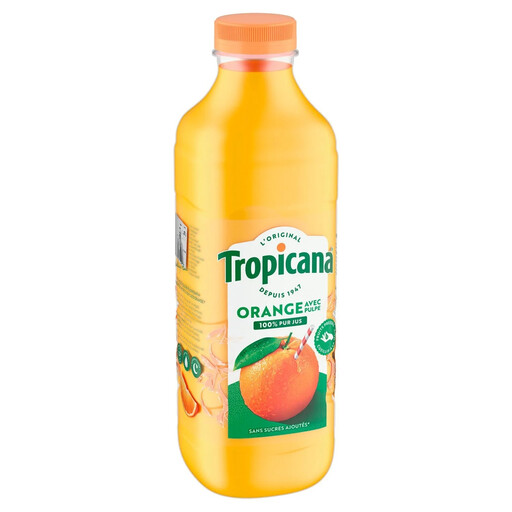 Image unavailable
If you’d rather serve orange juice with pulp than a fizzy drink, this product comes in a 1 L pack.
The title indicates that it’s short-dated: check the date shown on the product before choosing this pack size, and store it according to the label.
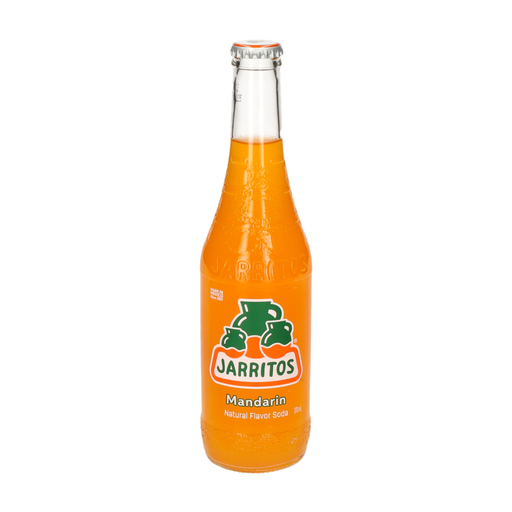 Image unavailable
This 370 ml bottle is a distinct alternative to orange juice if you’re after a fizzy drink with a mandarin flavour.
If you specifically want a drink made with orange juice, check the ingredients before choosing. Also compare sugars per 100 ml and the amount you’ll serve.
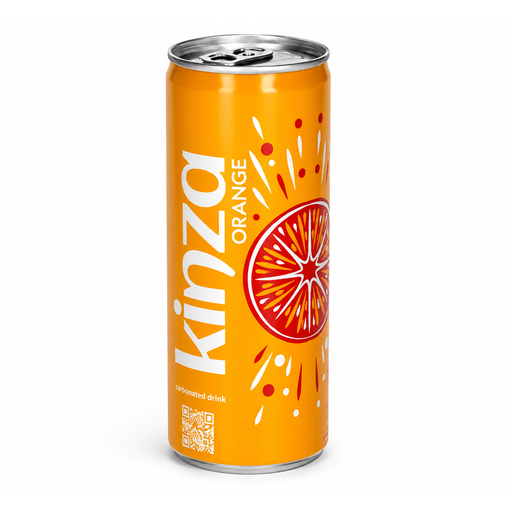 Image unavailable
If you’d like to serve an orange drink in an individual can rather than pure juice, this pack contains 250 ml.
Check the ingredients if orange juice content matters to you, and the nutritional label if you’re comparing sugars.
Not necessarily: its product name and ingredients determine what kind of drink it is. For example, Carrefour’s product listing describes classic Orangina as a fizzy fruit drink containing carbonated water and 12% citrus juice from concentrate, rather than pure orange juice.
Compare the “of which sugars” figure per 100 ml, then check the ingredients for any sweeteners. E.Leclerc’s product listing for Pulp Orange light states that it contains 1.0 g of sugars per 100 ml, as well as acesulfame-K and sucralose.
No: Manger Bouger recommends limiting fruit juice, sugary drinks and fizzy drinks as much as possible, including diet versions. So whether you choose juice or a fizzy drink, it’s still worth thinking about how much you serve and offering water too.
Follow the instructions on the product you’ve bought, particularly regarding refrigeration and how soon to drink it after opening. Don’t apply the storage instructions for chilled juice to a fizzy drink, or those for one pack format to another.