Weekly juice shoppers
You’re planning to serve glasses of orange juice at breakfast or at other times during the week. With or without pulp, in a bottle or multipack: the right choice depends on your preferences and how much you plan to serve.


For your weekly shop, choose orange juice if you’re mainly looking for juice to serve regularly, and an orange-flavoured sparkling drink if bubbles are your priority: they meet different needs. Before choosing a pack size, check the product description, juice content, sugars per 100 ml and storage instructions after opening.
You’re planning to serve glasses of orange juice at breakfast or at other times during the week. With or without pulp, in a bottle or multipack: the right choice depends on your preferences and how much you plan to serve.
You’re mainly looking for a fizzy drink to enjoy with a meal or during a break. Check its product description and recipe separately from those of an orange juice.
You’re deciding between individual portions and a family-sized bottle based on how many glasses you expect to serve. Storage instructions after opening matter just as much as the volume shown on the pack.
For your weekly shop, first decide whether you want juice or fizz. Then compare recipes and pack sizes within your chosen category.
| Criteria | What to check | Who it matters to |
|---|---|---|
| Juice or fizz | Read the product description and ingredients list. For a sparkling drink, check the stated juice content too. | If I want juice for breakfast, I don’t want to pick up a fizzy drink just because it contains orange. Around 44% of consumers would put this distinction first. |
| Sugars and ingredients | Compare the ingredients and the “of which sugars” line on the same basis: per 100 ml. | When choosing between different recipes, I want to know what each drink contains rather than relying on the front of the pack. Ingredients would be the priority for around 33% of consumers. |
| Pack size and storage | Check the volume, number of containers and instructions for after opening. | If we’re only serving a few glasses during the week, I’d rather choose a pack we can finish within the recommended time. Around 23% of consumers would make this their top criterion. |
The blood orange sparkling drink sold by Auchan contains, among other ingredients, water, sugar, carbon dioxide and citrus juices made from concentrate. It’s not the same choice as pure juice.
Before adding it to your basket, read the product description and check the percentage of juice.
Fruit juice contains sugars that occur naturally in fruit. The DGCCRF specifically distinguishes the wording “contains naturally occurring sugars” on juice products.
Check the “of which sugars” line per 100 ml and take into account how much you’ll serve.
A bottle is only suitable for the week if you can follow its storage instructions once it’s open. For Tropicana Fibres+ with pulp, the Auchan product page says to keep it chilled at a maximum of 7 °C and consume it within five days of opening.
Estimate how many glasses you’ll serve, then check the instructions for the bottle you’ve chosen.
Compare its orange juices by pulp and pack size.
A brand worth assessing by checking the product description and pack size of each product.
Orange juice products, including Le Fruit without pulp.
A supermarket own brand offering several product types in the orange drinks aisle.
Products to compare by their description and pulp content.
A supermarket own brand with orange juices and nectars in its range.
These products suit you if you’re looking for an orange-flavoured fizzy drink, either in individual cans or in multipacks for several occasions during the week. If you want orange juice to serve regularly, choose by looking for “juice” in the product description and using the criteria above.
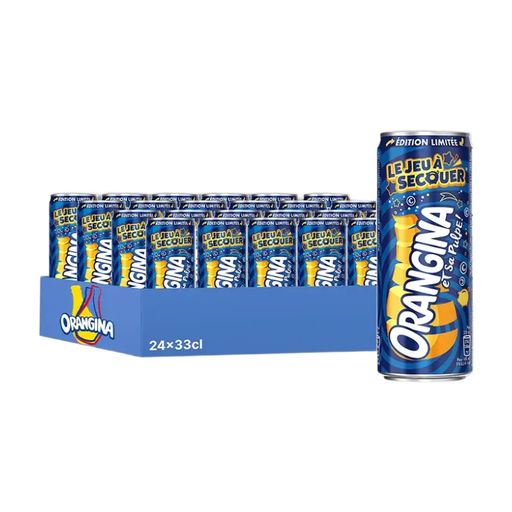 Image unavailable
Worth considering if you want to spread out cans of citrus soda over several occasions, rather than buying a bottle of pure juice.
Pack of 24 330 ml cans. If the ingredients matter to you, check the ingredients and nutritional information on the packaging.
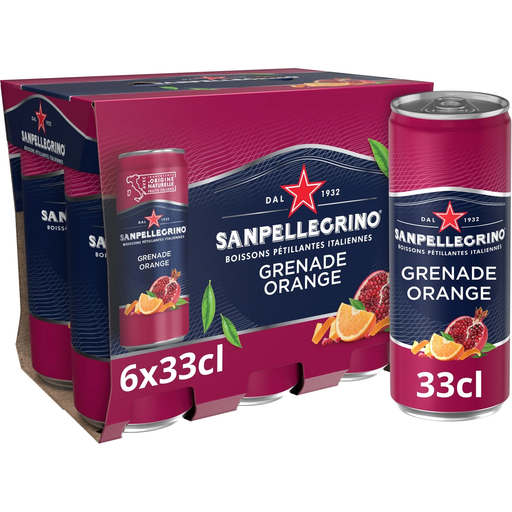 Image unavailable
Worth considering if you’re looking for a sparkling drink combining pomegranate and orange, rather than orange juice on its own.
Pack of 6 330 ml cans. If you don’t finish a can after opening, check the storage instructions on the packaging.
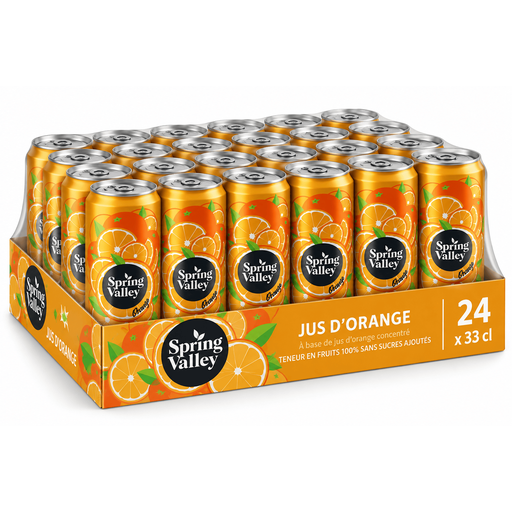 Image unavailable
A can multipack to consider if you’re planning to enjoy an orange-flavoured sparkling drink at several points during the week.
Pack of 24 330 ml cans. If the amount of orange juice matters to you, check the percentage on the packaging before choosing.
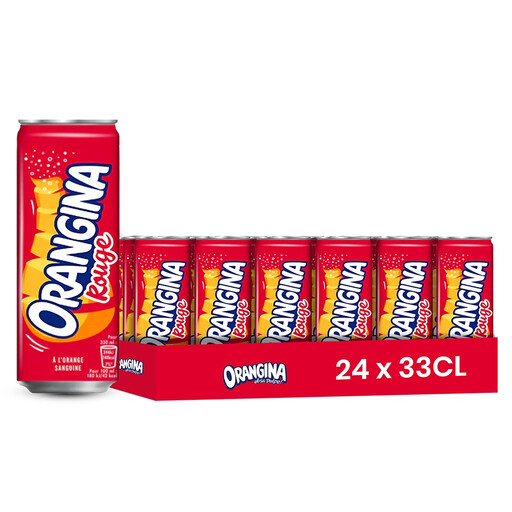 Image unavailable
Choose this if you prefer a sparkling blend of orange and red berries to an orange-only drink.
Pack of 24 330 ml cans. Check the packaging to compare the juice content and sugars per 100 ml with another recipe.
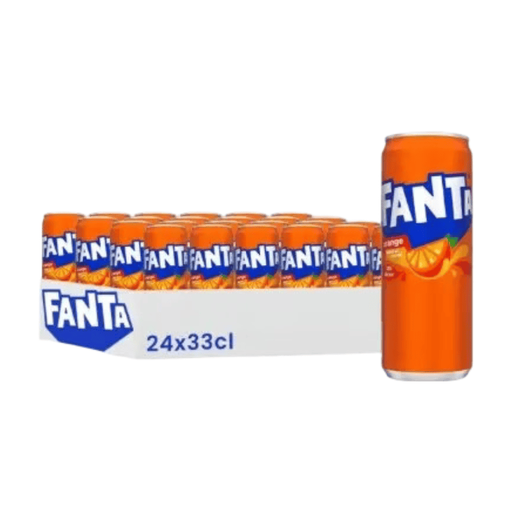 Image unavailable
Worth considering for individual portions of orange soda; it’s not a substitute for pure juice.
Pack of 24 330 ml cans. To compare its ingredients with other drinks, use the nutritional values printed on the packaging, all shown per 100 ml.
No. The fact that a fizzy drink contains orange juice doesn’t mean it’s pure juice. For example, Auchan describes Sanpellegrino Aranciata Rossa as a drink containing water, carbon dioxide, 10% orange juice and 5% blood orange juice made from concentrate. Check the product description of the drink you’re interested in.
No. Juice can contain sugars that occur naturally in fruit. The DGCCRF explains that the wording “contains naturally occurring sugars” is reserved for fruit juices. To compare two drinks, check the “of which sugars” line per 100 ml.
Start with the product description to tell juice, nectar and sparkling drinks apart. Then check the ingredients, volume and storage instructions. This information will help you choose a recipe and pack size to suit the number of glasses you plan to serve.
Follow the storage time and temperature given for the bottle you’ve chosen, rather than assuming the same guidance applies to every juice. For Tropicana Fibres+ with pulp, the Auchan product page says to store it at a maximum of 7 °C and consume it within five days of opening.