Organisers of self-service buffets
When several people are serving themselves by the glass, bottle size and replenishment matter just as much as storage instructions after opening. Make sure the product information is also available during service.


For a conference buffet where drinks are served by the glass, choose the bottle size according to how much you need to serve: 2 L if you can estimate the quantity fairly accurately, or 1 L so you can open bottles gradually. A 20 cl individual bottle works well when you’re handing out drinks without a jug. In all cases, check the product description, sugar content, texture and storage instructions, as ‘no added sugar’ does not mean ‘sugar-free’.
When several people are serving themselves by the glass, bottle size and replenishment matter just as much as storage instructions after opening. Make sure the product information is also available during service.
A 20 cl bottle lets you hand out a sealed portion without using a jug or pouring drinks by the glass, but you’ll need to plan for more individual units.
The claim ‘no added sugar’ should be distinguished from the sugar content naturally present in the fruit. Also check whether the product you’ve chosen has bits or no bits: the brand alone doesn’t tell you what the texture will be like.
For a conference, first decide how you’ll serve the drinks, then check the ingredients, texture and after-opening instructions for each product.
| Criteria | What to check | Who it matters to |
|---|---|---|
| No added sugar | The product description, ingredients and ‘of which sugars’ figure per 100 ml. Don’t confuse no added sugar with no sugar. | If I need to offer juice with no added sugar, I want to be able to confirm this on the label without presenting it as a sugar-free drink; around 31% of consumers would prioritise this check. |
| Buffet volume | The bottle size and amount to be served, as well as storage instructions after opening. | When drinks are served by the glass, I want to minimise refills without opening more juice than necessary; around 31% of consumers would make this a priority. |
| Individual portions | The size of each bottle, how many bottles you’ll need and the storage conditions stated on the packaging. | For a reception without a jug, I’d rather hand out a sealed bottle; around 23% of consumers would put this straightforward way of serving first. |
| Texture | Whether the specific product is labelled ‘with bits’ or ‘without bits’. | If texture matters for the event, I want to know what participants will be served before I order; no bits would be the main criterion for around 15% of consumers. |
Orange juice with no added sugar still contains the sugars naturally present in the fruit. For example, Auchan’s listing for Joker 1 L states that it contains 8.6 g of sugars per 100 ml.
Describe the drink using its exact label claim and check the ‘of which sugars’ figure for the product you order.
A 2 L bottle means providing glasses, planning refills and following the storage instructions once it’s open.
Estimate how much you’ll need based on the number of participants, and check the packaging instructions before deciding on quantities.
If you open too much, you could be left with juice that hasn’t been served when the break ends.
The products listed don’t all have the same texture: the Carrefour Extra and Joker options mentioned are without bits, while one Andros option is with bits.
Check the label for bits on each product you’re considering, especially if your order includes several options.
Auchan’s listing describes a 1 L bottle of Joker pure orange juice, without bits and with no added sugar.
Carrefour lists a 2 L bottle of orange juice without bits and with no added sugar, which could work well for serving by the glass.
Auchan lists a 20 cl individual bottle of pure orange juice with no added sugar.
Andros pure orange juice products with no added sugar are available with or without bits, depending on the product.
E.Leclerc’s listing includes a 1 L bottle of Jafaden pure orange juice without bits.
These 1 L options may be worth considering for serving by the glass. However, their product titles don’t all refer to the same type of drink, so check the description and label for each one before choosing a product for a request for orange juice with no added sugar.
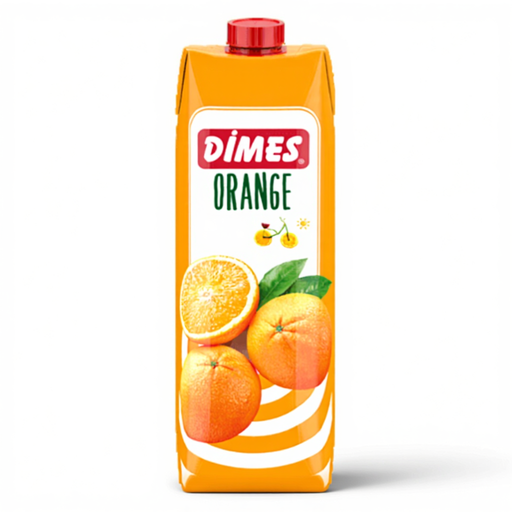 Image unavailable
The 1 L size may be suitable for serving by the glass. Before offering it as orange juice with no added sugar, check the product description and label. Also check the texture and instructions for after opening.
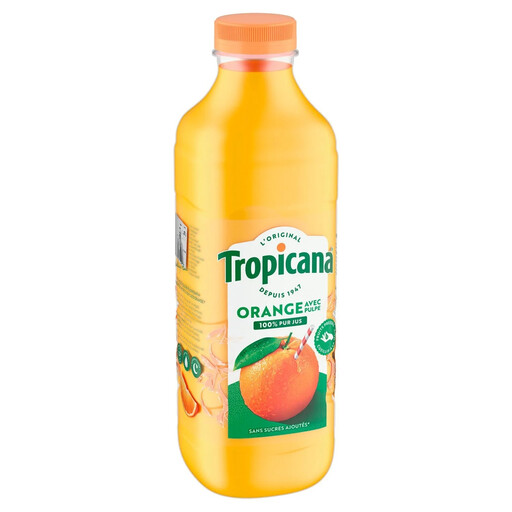 Image unavailable
This 1 L size is worth considering for serving by the glass if you want juice with bits. The title indicates that it’s short-dated, so check the date before planning your conference. Also check the sugar and storage information on the label.
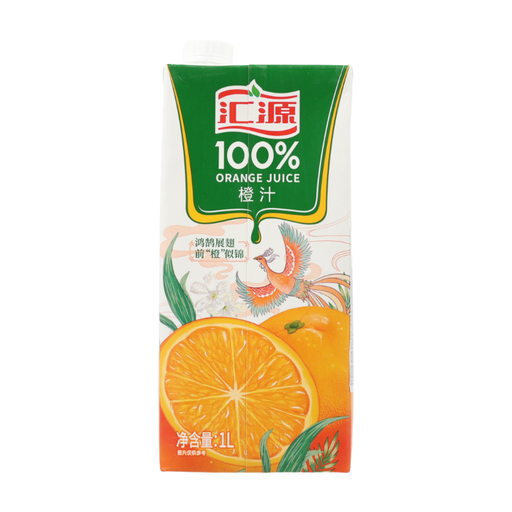 Image unavailable
The 1 L size may be suitable for serving by the glass, but a fruit and vegetable drink shouldn’t automatically be treated as pure orange juice. If your requirements specifically call for orange juice with no added sugar, check the product description, ingredients and instructions for after opening.
No. Orange juice can contain sugars naturally present in the fruit, even when no sugar has been added. Check the ‘of which sugars’ figure per 100 ml for the product you choose, and don’t describe it as sugar-free.
A 2 L bottle works well for serving by the glass when you can estimate the amount you’ll need fairly accurately, while a 20 cl bottle makes it easy to hand out individual portions without a jug. If you’re opening bottles gradually, also consider 1 L options and check their storage instructions.
Keep the packaging from the batch you’re using, or have its product information readily available, so you can check the product description, ingredients and nutritional values. Check the details for each product before filling the jugs, especially if you’re serving several different options.
Follow the instructions on the bottle you’re using rather than assuming the same storage time applies to another product. For example, Auchan’s listing for its 20 cl bottle says to refrigerate it and consume it within five days of opening.