
Livraison le jour même ou le lendemain

Qualité garantie

Débloquez vos offres de bienvenue: Livraison GRATUITE | Jusqu'à -80 % | 30 jours d'essai gratuits à JoyPlus
Téléchargez l'application
At breakfast, with a meal or simply as a refreshing break, orange juice remains a firm favourite in many French households. However, not all orange drinks are created equal, nor do they suit the same preferences. From pure juice and soft drinks to nectars, fruit blends and larger formats, a quick glance at the label can lead you to buy a product that is too sugary, too bulky or poorly suited to your consumption habits.
Here are the key points to review before stocking your refrigerator.
The word “orange” displayed on the front of the packaging does not necessarily mean that the product contains only orange juice. An orange drink may also contain water, sugar, other juices, flavourings or carbon dioxide.
A pure juice generally has a very short ingredient list, sometimes summarised by the claim “100% oranges”. Nectar, meanwhile, combines juice and water, with sugar sometimes added. An orange soft drink such as Orangina belongs to a different category, as it contains carbonated water, sugar, and a defined proportion of juice and pulp.
An orange juice with no added sugar may naturally contain a significant amount of sugar from the fruit. To understand what you are actually drinking, check the nutrition table, particularly the line for “carbohydrates, of which sugars”. No added sugar does not mean that the drink is low in sugar.
For reference, the Tropicana with pulp featured in this selection contains 9.8 g of sugar per 100 ml, compared with 8.9 g per 100 ml for Huiyuan juice. These figures come directly from the product listings and may vary depending on the packaging.
A larger format often appears more economical, but it only makes sense if its contents will be consumed quickly. Some juices must be refrigerated after opening and consumed within the following days. For one person, a 1 L bottle may therefore be more practical than a family pack of soft drinks.
Remember to check the date shown on the packaging too. The Tropicana product marked as “close to its best-before date” requires particular attention: check the date before purchasing and plan to consume it promptly.
Start with the ingredient list. A juice made solely from oranges is entirely different from a blend such as orange, kiwi and banana juice, which may also contain apple, coconut water or fruit purées.
For recipes combining several fruits, the proportion of each ingredient offers a useful indication of the flavour to expect. Joker Orange-Kiwi-Banana contains 22% orange juice, 11% kiwi purée and 5% banana purée. PAGO Orange Carrot Lemon combines 35% concentrated orange juice, 10% carrot juice and 2% concentrated lemon juice.
Those who enjoy a fuller texture can opt for orange juice with pulp. Pulp creates a thicker mouthfeel and may settle at the bottom of the bottle. If so, gently shake the container before serving, as the manufacturer generally recommends.
Orangina contains 9% orange juice, including 1% with pulp, along with other citrus juices. Its texture and flavour profile are therefore very different from those of refrigerated pure juice. If you prefer a smooth, light mouthfeel, a pulp-free option will probably be better suited to you.
The volume should reflect the number of people who will be drinking the product:
Always compare the total volume and storage requirements. A lower unit price is not necessarily a bargain if part of the product ends up being poured down the sink.
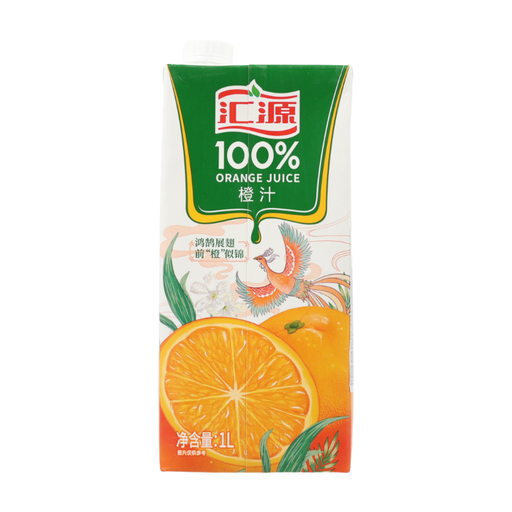
Why it suits this profile: Its 1 L format is well suited to smaller households. The recipe combines water and concentrated orange juice, with no added sugar mentioned in the product listing.
The ingredient list remains concise, while the stated energy value is 38.7 kcal per 100 ml. After opening, the product listing recommends refrigerating it and consuming it within 12 hours.
1 L format, with 0 g of fat and 0 g of salt per 100 ml.
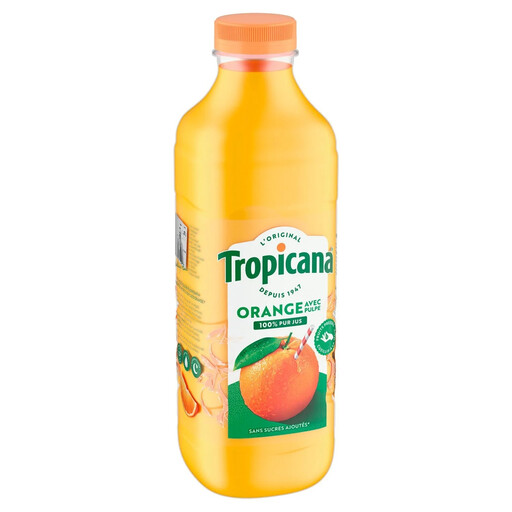
Why it suits this profile: The product listing describes it as juice made from 100% pressed oranges, with pulp and no added sugar or preservatives mentioned.
The presence of pulp is clearly stated, so it cannot be mistaken for a more diluted orange drink. However, check the date, as this product is marked as close to its best-before date.
100% oranges, 1 L format and 9.8 g of sugar per 100 ml, as stated.
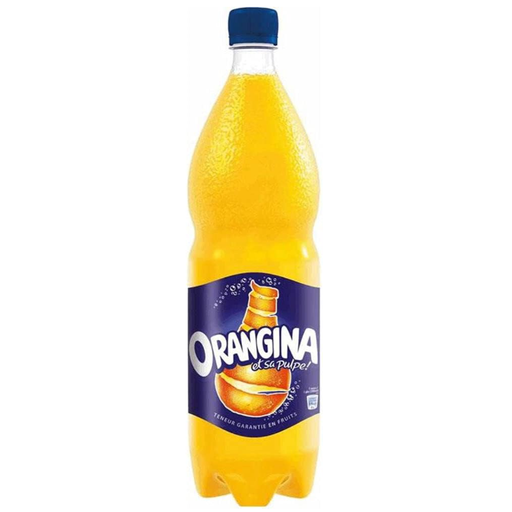
Why it suits this profile: Its family-sized format and sparkling recipe are made for shared meals, afternoon snacks and occasions when everyone can help themselves at their own pace.
The product listing specifies the proportion of juice and pulp: this is a sparkling citrus drink, not a pure juice. This distinction makes it easier to compare products on a like-for-like basis.
1.5 L bottle, 39 kcal and 9.1 g of sugar per 100 ml, according to the product listing.
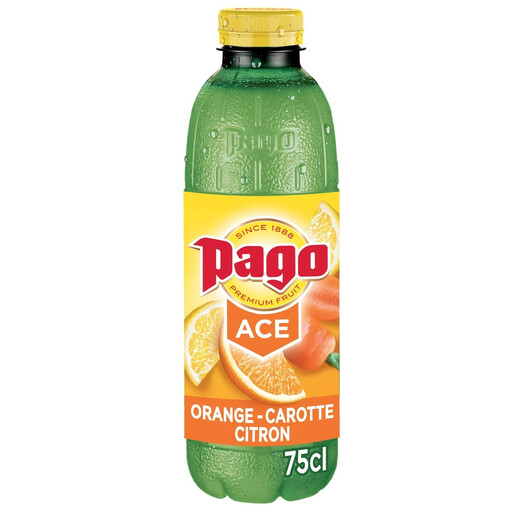
Why it suits this profile: This nectar is ideal for anyone looking for a fruity, refreshing drink with vegetal and tangy notes rather than a straightforward orange flavour.
The presence of carrot and lemon is clearly stated, along with the proportion of each. You therefore know that this is not simply a flavoured orange juice.
750 ml format, 35% concentrated orange juice and refrigeration for up to 5 days after opening.
Explore an up-to-date selection of citrus juices, nectars and fruit drinks to compare formats and ingredients.
Yes. The sugars naturally present in oranges are included in the nutrition table. To compare two products, look at the amount of sugar per 100 ml and factor in the actual volume poured into your glass.
Juice with pulp contains part of the fruit’s flesh and has a thicker texture. An orange drink may contain water, sugar, carbon dioxide and a variable proportion of juice. The ingredient list and orange percentage make the distinction clear.
It depends on the product. Refrigerated juice should generally be returned to the refrigerator immediately after opening. Recommendations may range from a few days to 12 hours, depending on the product. Always check the label and choose a format that matches your consumption habits.