Barbecue hosts catering for a group
You’re looking for an easy-to-serve quantity for the buffet, while also thinking about what you’ll need to store after the meal.


For a barbecue, choose a pack size that suits how you plan to serve the juice: a bottle or multipack for a shared buffet, or small cartons for individual portions. ‘No added sugars’ does not mean ‘sugar-free’. Compare the ‘of which sugars’ figures per 100 ml, then check the recipe, whether it contains pulp and the storage instructions for the product you choose.
You’re looking for an easy-to-serve quantity for the buffet, while also thinking about what you’ll need to store after the meal.
You want to distinguish between no added sugars and sugars naturally present in the fruit, and compare nutritional values per 100 ml.
You’re choosing between not-from-concentrate juice, juice made from concentrate, pulp-free bottles, chilled organic juice or individual portions, depending on how you plan to serve it and your guests’ preferences.
When planning how to serve the juice, start with the number of guests and the pack size, then check the product description, ingredients and nutritional information for each option. Carrefour’s product listings include a 2 L bottle and a pack of 6 × 20 cl cartons, suited to different ways of serving juice.
| What to consider | What to check | Who it matters to |
|---|---|---|
| Sugars on the label | The no-added-sugars claim and the ‘of which sugars’ figure per 100 ml. | If I’m looking for juice with no added sugars, I also want to know how much sugar it naturally contains. Around 33% of consumers rank this distinction as their top concern. |
| Pack size and serving | The volume, number of units and instructions for storing the product after opening. | To serve several guests without opening every bottle in a multipack, I prefer packaging that suits a buffet and makes it easy to store leftovers. This is the top priority for around 27% of consumers. |
| Recipe and pulp | Whether it is described as ‘not from concentrate’ or ‘made from concentrate’, and whether it contains pulp. | When guests have a preference about texture or recipe, I want to be able to choose an option that suits them. This is the top priority for around 20% of consumers. |
| Organic and chilled | Whether it is labelled organic and the requirements for transporting and keeping it chilled. | If I prefer an organic product from the chilled aisle, I also need to be able to keep it cold before serving. Around 20% of consumers make this their top priority. |
Fruit juice can contain sugars that occur naturally in the fruit. The DGCCRF distinguishes between these claims, so the front of the pack alone is not enough to compare sugar content.
Check the ‘of which sugars’ figure per 100 ml in the nutritional information for the products you’re considering.
Storage instructions after opening depend on the product you buy. For its pack of 4 × 1 L, Auchan’s product listing says to refrigerate it and consume within 5 days of opening.
Plan how many units to open during the barbecue and follow the instructions on each pack.
These descriptions refer to different things. Auchan, Carrefour and E.Leclerc’s product listings show differences in recipe, pack size and whether the juice needs to be refrigerated.
First decide what matters for serving and your guests, then check the product description, ingredients and storage instructions.
Auchan’s 1 L bottle of pulp-free, not-from-concentrate orange juice is a good option if you’re looking for a bottle to share.
Carrefour’s 2 L bottle of pulp-free orange juice is a practical choice for serving a group.
Carrefour’s pack of 6 × 20 cl cartons makes it easy to serve individual portions.
Auchan’s pack of 4 × 1 L bottles of pulp-free, not-from-concentrate orange juice lets you open bottles as you need them.
E.Leclerc’s 90 cl option is for shoppers looking for chilled, organic, pulp-free orange juice.
These two 1 L bottles suit different recipe preferences: one is orange juice with pulp, while the other is an orange fruit and vegetable drink. Check their product descriptions and labels before comparing them with the not-from-concentrate juices mentioned above.
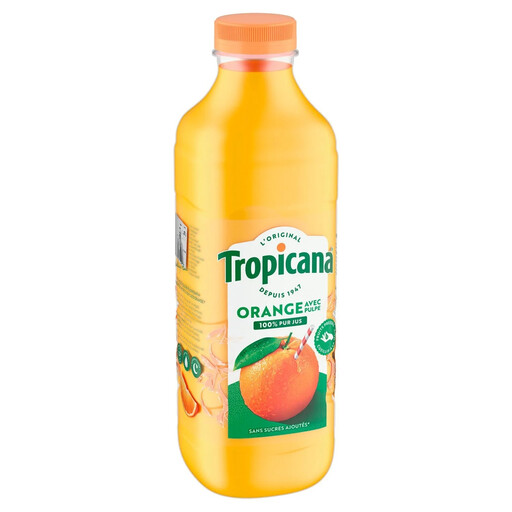 Image unavailable
Consider this if your guests enjoy orange juice with pulp served from a shared bottle.
The title indicates that the product is close to its best-before date. Check the date on the pack before buying, along with the nutritional information if sugar content is one of your deciding factors.
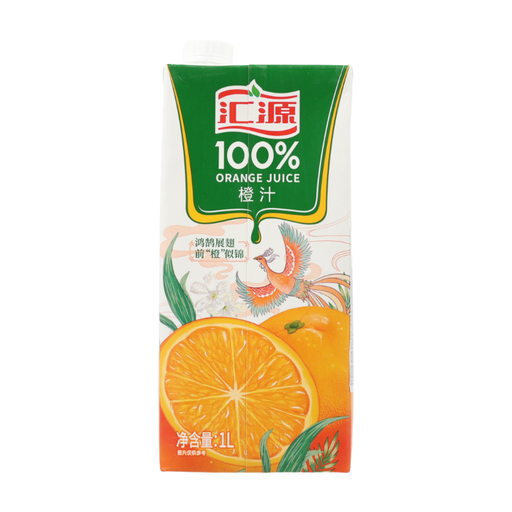 Image unavailable
Consider this for serving a group if you’re looking for an orange fruit and vegetable drink rather than not-from-concentrate juice.
The recipe is described as containing water and concentrated orange juice. Check the product description, ingredients and sugar claims on the pack being sold before choosing.
No. Orange juice with no added sugars can still contain sugars that occur naturally in the fruit. The DGCCRF distinguishes between these claims, so to compare two products, check the ‘of which sugars’ figure per 100 ml.
No, these descriptions refer to different recipes. Carrefour Classic's product listing describes orange juice made from concentrate, while Auchan’s listing describes Joker as not-from-concentrate juice. Check the product description and ingredients for the option you choose.
A bottle or multipack works well for a shared buffet, while small cartons are suited to individual portions. Compare the volume and number of units, then plan how to store any opened bottles.
Follow the instructions for the product you’ve bought. For its pack of 4 × 1 L, Auchan says to refrigerate the juice and consume it within 5 days of opening. Don’t automatically apply this timeframe to other products.
No. Organic status doesn’t mean the juice contains less sugar. E.Leclerc’s product listing for Bio Village juice gives a figure of 8.7 g of sugars per 100 ml. Compare the nutritional values of the products you’re interested in on the same basis.