Fans of orange fizz
You’re looking for an orange-flavoured fizzy drink for an afternoon break, without expecting it to be pure juice. Sanpellegrino describes Aranciata and Aranciata Rossa as sparkling drinks containing orange juice from concentrate.


If you want a bit of fizz with your afternoon snack, choose an orange fizzy drink by comparing its juice content, sugar per serving and pack size. Just don’t mistake it for pure juice. If pure juice matters more to you than fizz, a still option is a better fit. And if you’re considering a version with pulp, check its ingredients rather than judging it by the presence of pulp alone.
You’re looking for an orange-flavoured fizzy drink for an afternoon break, without expecting it to be pure juice. Sanpellegrino describes Aranciata and Aranciata Rossa as sparkling drinks containing orange juice from concentrate.
You want to compare how much you’ll actually drink, not just the figures per 100 ml. For a 33 cl can, the per-serving information or the container size can change how you read the nutritional information.
You’re mainly looking for pure orange juice, even if that means going without the fizz. The ranges shown by Carrefour and Auchan include pure orange juice, including products under the Tropicana, Carrefour and Auchan brands.
First decide whether fizz or pure juice matters more, then compare the ingredients and the amount you plan to drink.
| What matters | What to check | Who it suits |
|---|---|---|
| Orange fizz | The drink’s name, whether it’s carbonated and the declared orange juice content. | For an orange-flavoured fizzy drink, I’d choose something that’s actually carbonated rather than pure juice. This is the top priority for around 50% of consumers. |
| Sugar per serving | The ‘of which sugars’ figure, its unit and the volume of the can or bottle. | If I’m drinking a whole can, I want to know how much sugar that amount contains. This is the top priority for around 30% of consumers. |
| Pure juice | The product name and ingredients list, rather than relying on the orange imagery alone. | I’d rather choose pure juice, even if my drink isn’t fizzy. This is the top priority for around 20% of consumers. |
Seeing an orange on the packaging doesn’t tell you what category the product belongs to. The DGCCRF explains that the name ‘fruit juice’ is reserved for products that meet its regulatory definition.
Check the product name, then the ingredients and declared juice content before choosing between pure juice and a fizzy drink.
The figure per 100 ml doesn’t tell you how much sugar is in a 33 cl can. So the amount you drink with your afternoon snack may be different from what a quick glance at the nutrition table suggests.
Compare the sugar content for the same amount of drink, and check the per-serving figure if it’s shown on the packaging.
A product listing doesn’t guarantee that the drink will be available at your chosen shop or for your preferred collection method.
Check the product and pack size with your chosen retailer before planning to have it with your afternoon snack.
Sanpellegrino provides details of the ingredients in its two orange fizzy drinks, Aranciata and Aranciata Rossa.
An option to consider if you’d prefer a citrus soft drink with pulp to pure orange juice.
An option to consider if you’re happy to forgo the fizz in favour of pure orange juice.
The brand’s pure orange juices offer another type of drink to consider for your afternoon snack.
Another range of pure juice to consider if juice matters more to you than fizz.
These products are fizzy orange drinks in cans, ideal for an afternoon break. Some combine orange with another fruit, so check the product name and nutritional information for each variety if you’re looking for a specific ingredient profile.
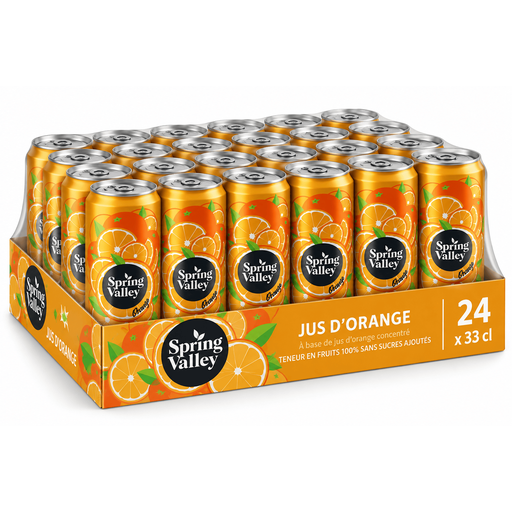 Image unavailable
An orange fizzy drink to consider if you’d like individual cans. The pack contains 24 330 ml cans. If juice content and sugar are important to your choice, check the packaging.
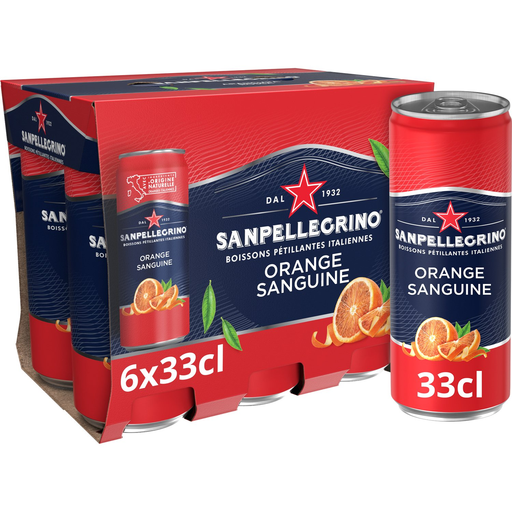 Image unavailable
A blood orange fizzy option if you’d prefer it to classic orange. The pack contains six 330 ml cans. According to Sanpellegrino, Aranciata Rossa combines orange and blood orange juices from concentrate; it isn’t pure juice.
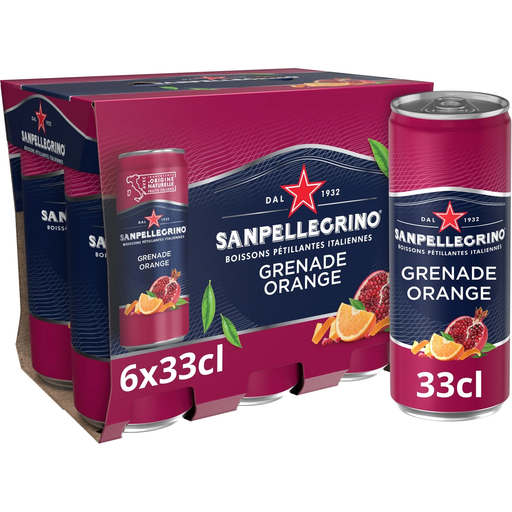 Image unavailable
Worth considering if you fancy a pomegranate and orange blend rather than a drink focused on orange alone. The pack contains six 330 ml cans. Check the ingredients for this variety to see how the two fruits are used.
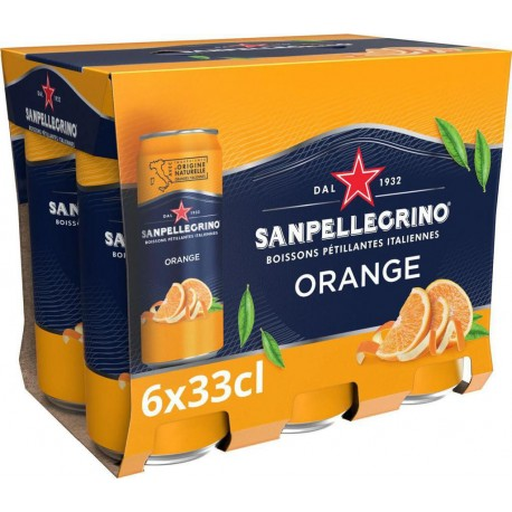 Image unavailable
An orange fizzy drink for anyone who isn’t looking for blood orange or a blend with another fruit. The pack contains six 330 ml cans. According to Sanpellegrino, the Aranciata recipe contains 16% orange juice from concentrate, as well as water and sugar; it isn’t pure juice.
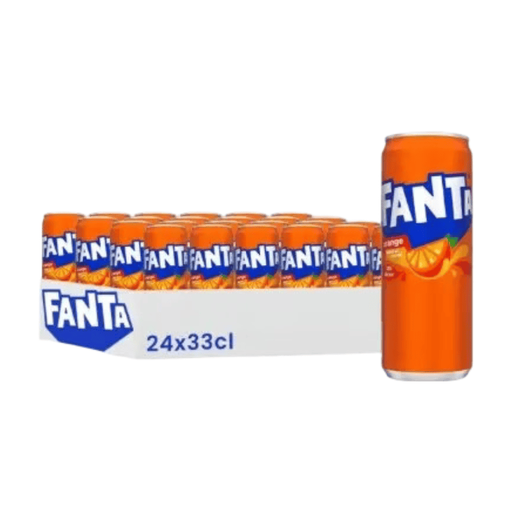 Image unavailable
An orange soft drink in individual cans if you’re looking for this type of drink rather than pure juice. The pack contains 24 330 ml cans. To compare its sugar content with a drink listed per 100 ml, check the units and the figure for one can.
No, not simply because it contains orange. In France, the DGCCRF explains that the name ‘fruit juice’ has a regulatory definition. Check the product name: the fizzy Aranciata recipes described by Sanpellegrino contain water, carbonation and juice from concentrate, so they aren’t pure juice.
Start with the product name, then check the ingredients, declared juice content, sugar and container size. The DGCCRF notes that prepacked food labels include details such as the product name, ingredients list and nutrition declaration.
Because a figure per 100 ml doesn’t tell you the amount in a 33 cl can. Check the per-serving figure if it’s shown, or use the volume on the packaging to compare the amounts you’ll actually drink.
Follow the storage instructions for the product you’ve bought. An Orangina product listing published by Joybuy says to refrigerate it after opening and drink it within two to three days. Don’t assume the same advice applies to other drinks.