Hosts looking for a fizzy orange drink
If you want to serve a sparkling soft drink at the table, start by checking that it is described as a ‘carbonated drink’. Then compare the juice content and sugar levels to suit your guests’ preferences.


If you want to serve a fizzy orange drink with raclette, choose a carbonated drink rather than a non-fizzy pure juice. If juice content matters more to you than avoiding sugar, Sanpellegrino states that Aranciata contains 16% orange juice. If you prefer a drink labelled ‘sugar-free’, Carrefour’s Ciao! blood orange contains 5.4% fruit juice from concentrate.
If you want to serve a sparkling soft drink at the table, start by checking that it is described as a ‘carbonated drink’. Then compare the juice content and sugar levels to suit your guests’ preferences.
A product labelled ‘sugar-free’ may suit your priorities. Check that it is the variant you want and read the ingredients list: it still won’t be pure juice.
If ‘pure juice’ matters more than fizz, a non-carbonated orange juice, with or without pulp depending on the product, is a better match.
For a raclette evening, first decide whether fizz is essential. Then compare the juice content and sugar levels of your chosen variant, making sure you don’t confuse a fizzy orange drink with pure juice.
| Criteria | What to check | Who is it for? |
|---|---|---|
| Fizz | The product description and whether carbon dioxide appears in the ingredients. | I want to serve a genuinely fizzy drink rather than a standard juice with the meal; around 42% of consumers put fizz at the top of their list. |
| Sugar | Sugar per 100 ml and per container, as well as the claim on the chosen variant. | I want to offer a fizzy orange drink while limiting sugary drinks; this is a priority for around 33% of consumers. |
| Pure juice | Whether it is described as ‘pure juice’, ‘nectar’ or a ‘carbonated drink’, and the ingredients listed on the label. | I’d rather have pure orange juice, even without fizz; around 25% of consumers put this ahead of a sparkling drink. |
The fizzy drinks mentioned here contain water, carbon dioxide and varying amounts of juice. France’s DGCCRF distinguishes between the terms used for fruit juices and nectars.
Read the product description and ingredients list before comparing brands.
Sanpellegrino states that Aranciata contains 8.1 g of sugar per 100 ml. The amount you consume also depends on the serving size.
Compare the nutrition information per 100 ml and per serving, where provided.
Carrefour’s Ciao! blood orange is labelled ‘sugar-free’ and contains 5.4% fruit juice from concentrate. Sanpellegrino states that Aranciata contains 16% orange juice from concentrate.
Check the sugar claim and juice percentage separately on the variant you buy.
Two options to distinguish if you’re looking for a fizzy orange drink: Aranciata and Ciao! blood orange.
An option if you decide you’d prefer non-carbonated orange juice.
A pure orange juice without pulp for guests who prefer juice.
The retailer stocks both pure orange juices and Sanpellegrino’s Ciao! blood orange carbonated drink.
The retailer stocks pure orange juices as well as Sanpellegrino’s sparkling Ciao! blood orange.
These options are carbonated orange drinks or orange-flavoured drinks, suitable for serving in cans. If juice content or sugar levels will determine your choice, compare the label on the variant you choose.
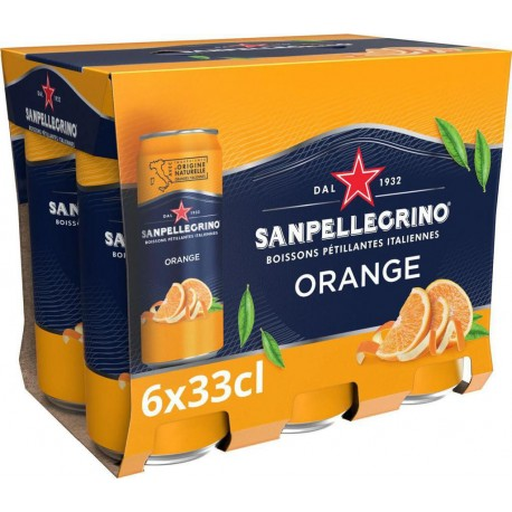 Image unavailable
Serve a fizzy orange drink in individual cans. Sanpellegrino states that Aranciata contains 16% orange juice from concentrate, so it isn’t a pure juice. The brand also states that it contains 8.1 g of sugar per 100 ml.
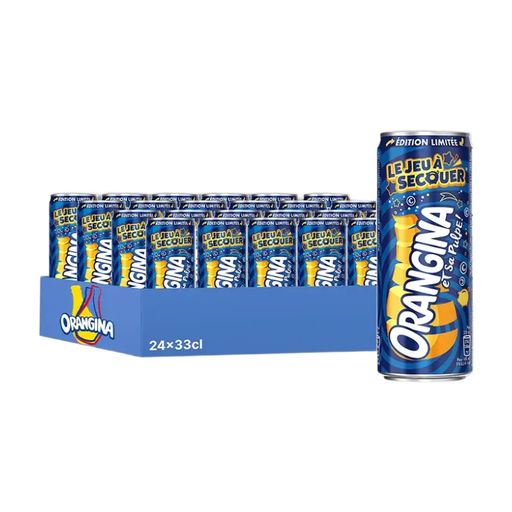 Image unavailable
A handy can format for serving a carbonated drink at a group meal. If you’re specifically looking for orange juice, check the packaging for its proportion of citrus juice and pulp.
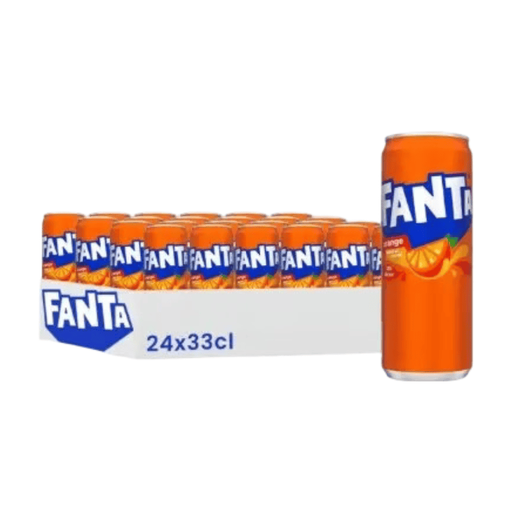 Image unavailable
A fizzy orange drink in cans for sharing, rather than a pure juice. To compare its sugar content with another product, use the same unit and serving size when checking the labels.
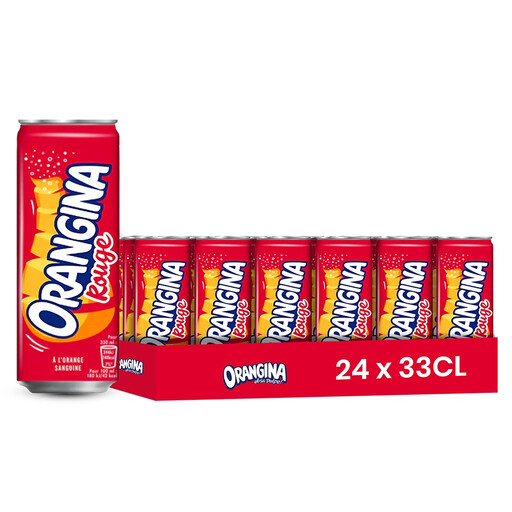 Image unavailable
Worth considering if you want a fizzy drink combining orange and red berry flavours, rather than one that’s orange-only. If the orange juice content is important, check the packaging.
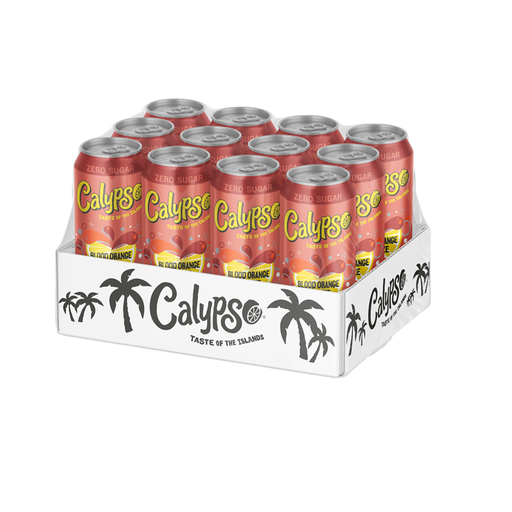 Image unavailable
A handy individual format for serving sparkling lemonade with a blood orange flavour. ‘Zero Sugar’ appears in the name of this variant. If you’re looking for a drink containing orange juice, check the ingredients and juice content on the packaging.
No. A carbonated drink containing orange juice isn’t automatically a pure juice. In France, the DGCCRF distinguishes between the terms used for juices and nectars. Check the product description and ingredients of the drink you choose.
A variant labelled ‘sugar-free’, such as Carrefour’s Ciao! blood orange, meets this requirement, but contains 5.4% fruit juice from concentrate. If juice content matters to you too, check the claim and ingredients of the variant you buy.
Sanpellegrino recommends serving Aranciata between 6 and 8 °C. For other drinks, follow the storage and serving instructions on the packaging.