
Livraison le jour même ou le lendemain

Qualité garantie

Débloquez vos offres de bienvenue: Livraison GRATUITE | Jusqu'à -80 % | 30 jours d'essai gratuits à JoyPlus
Téléchargez l'application
An orange drink can mean very different things: orange juice, orangeade, orange soda, sparkling drink, concentrate to dilute, or fruit blend. A bottle with a fruity-looking label doesn't necessarily contain a significant amount of juice.
In the UK, three pitfalls are particularly common when shopping:
Start by identifying exactly what type of drink it is:
The phrase "no added sugars" does not mean "sugar-free": the sugars naturally present in fruit still appear in the nutritional information.
Always compare the values per 100 ml, then relate them to the amount you actually drink. A 330 ml can or a large glass will obviously provide more than a 100 ml reference portion.
As a guide, the available product details show:
These figures alone don't create a general ranking of drinks. However, they do let you compare them on an objective basis, depending on your consumption.
Ingredients are listed in descending order of weight. Look out for:
A juice sold from the chilled section should generally be consumed within a few days of opening. The product Cooling Hydration Dimes Orange Drink 1 L recommends refrigeration and consumption within 3 to 5 days after opening. For a gathering, a pack of smaller units can therefore be more practical than a large bottle that sits in the fridge for several days once opened.
The products below cater to different needs. Always check the label on the product you receive: the ingredients, packaging and best-before date may change.
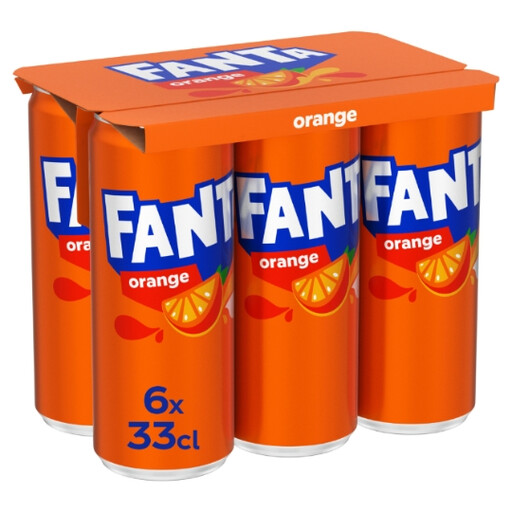
Why this choice suits this profile: The pack of six 330 ml cans helps you control portions and works well for occasional treats, on-the-go meals, or building up a small stash at home.
The individual format stops you from leaving a large bottle open in the fridge. The product page clearly states 5% orange juice from concentrate and 5.9 g of sugars per 100 ml.
Six 330 ml cans, a fizzy drink with 27 kcal and 5.9 g of sugars per 100 ml according to the product details provided.
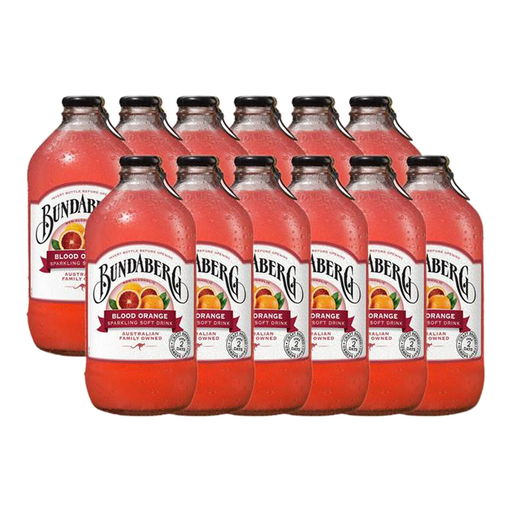
Why this choice suits this profile: This pack is aimed at fans of citrus fizzy drinks with a bold flavour, with small bottles that are easy to serve individually.
The product page specifies the presence of 5% blood orange juice from concentrate and 1.7% fermented concentrate, rather than suggesting it's a pure juice.
Pack of 12 bottles of 37.5 cl, with 47 kcal and 11.5 g of sugars per 100 ml according to the available information.
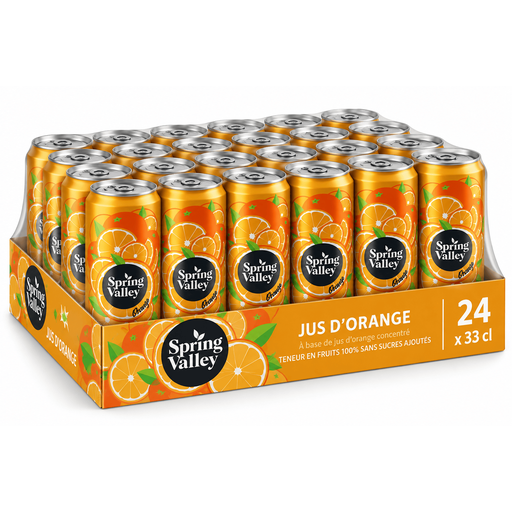
Why this choice suits this profile: The 24 cans are ideal for events, catering, family get-togethers or regular home stocking.
The packaging avoids having to store a large quantity after opening. The ingredients list includes carbonated water, sugar, orange juice from concentrate and a preservative.
24 cans of 330 ml, totalling 7.92 l, with approximately 42 kcal and 10.5 g of sugars per 100 ml.
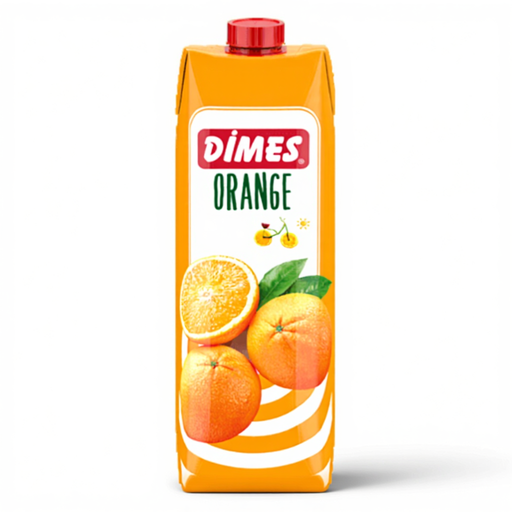
Why this choice suits this profile: Its one-litre format works well for breakfast, meals and family consumption. Once opened, the bottle should be kept in the fridge.
The product page states a recipe made from 100% orange juice, with no added sugar, preservative or artificial colouring. However, do check the label when you receive it.
1 l bottle, 190 kJ per 100 ml and 9 g of sugars per 100 ml according to the product page.
We've put together a comprehensive, real-time selection of products that meet these strict criteria and comply with European safety regulations.
Orange juice belongs to a regulated category and its composition is based on the fruit. Orangeade typically contains water, sugar and a variable amount of juice or pulp. Before comparing two bottles, check the percentage of juice and the ingredients list.
It depends on the drink. A juice sold from the chilled section should generally be consumed within a few days, while a fizzy drink quickly loses its fizz after opening. Follow the manufacturer's recommendations, keep refrigerated products cold, and choose individual formats for events.
Yes. Some products are labelled as no added sugars, particularly juices made solely from fruit. This doesn't mean they contain no sugar at all: the natural sugars from the fruit are still present. To compare products, check the "of which sugars" line per 100 ml as well as the full ingredients list.