
Livraison le jour même ou le lendemain

Qualité garantie

Débloquez vos offres de bienvenue: Livraison GRATUITE | Jusqu'à -80 % | 30 jours d'essai gratuits à JoyPlus
Téléchargez l'application
An orange drink can take many forms: juice, orangeade, nectar, fruit drink or a homemade creation made with an electric citrus juicer. This variety can make choosing at the shops a bit tricky. A 1.5 L bottle doesn't meet the same needs as a 1 L orange juice with pulp, while a so-called fruit drink may only contain a limited amount of juice.
Before you fill your basket, there are three pitfalls to avoid.
Orange juice is made from pressed fruit or from concentrate. A nectar usually contains fruit juice or purée, to which water and, depending on the recipe, sugar may be added. Orangeade refers to a flavoured or fruit drink that can also include sparkling water, sugar and other citrus fruits.
The name on the bottle isn't enough on its own. Take a look at the ingredients list and the percentage of juice stated on the label.
This phrase doesn't mean the drink contains no sugar at all. Juices and nectars naturally contain the sugars found in fruit. Compare the "of which sugars" line per 100 ml, and don't forget to take into account the amount you actually pour into your glass.
As a guide, the product sheets for several available references show between 37 and 49 kcal per 100 ml, with varying sugar levels depending on the recipe. A family-sized bottle can therefore represent several servings.
A large format can be more economical for a family, but you need to be able to drink it in time. Some products must be refrigerated after opening and consumed within a few days. Citrus concentrate can be diluted to taste, but it too must be stored according to the manufacturer's instructions.
For items close to their best-before date, particularly those marked "near expiry", always check the date printed on the packaging before ordering.
Ingredients are listed in descending order. A recipe where the first items are water and sugar will have a very different profile from a product that starts with orange juice.
DON SIMON Orangeade 1.5 L, for example, states 50% orange juice from concentrate and 5% pulp. ORANGINA PET Bottle 1.5 L combines sparkling water, orange juice and other citrus fruits, with 1% pulp in the stated citrus proportion. These recipes offer very different experiences: the first is a still orangeade, the second a fizzy drink.
Looking for an orange juice with pulp? Check that it's actually listed in the ingredients. It gives the drink more texture, but often means you'll need to shake the bottle before serving.
Recipes based on orange, lemon, carrot or mandarin also let you vary the experience, with more tangy or milder profiles. Orange-carrot-lemon nectar might appeal to those who fancy a change from classic orange juice. A multi-fruit juice combining apple, pineapple, mango or grape will generally be richer and more complex on the palate.
For an appliance, check the capacity, power, ease of disassembly, compatibility with the French mains supply 220-240 V and the cleaning instructions. A model without blades can be simpler to handle, but not all parts may be dishwasher-safe.
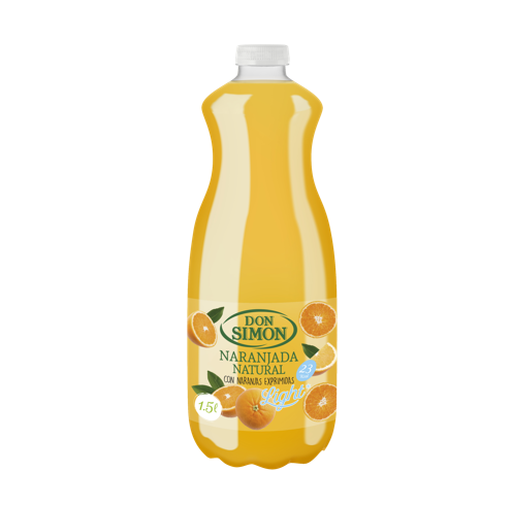
Why this choice suits this profile: Its family-sized format is perfect for meals and sharing occasions, with absolutely no preparation needed.
The ingredients clearly state 50% orange juice from concentrate and 5% pulp, so you won't mistake this orangeade for a pure juice.
1.5 L bottle, contains pulp and 43 kcal per 100 ml according to the product sheet.
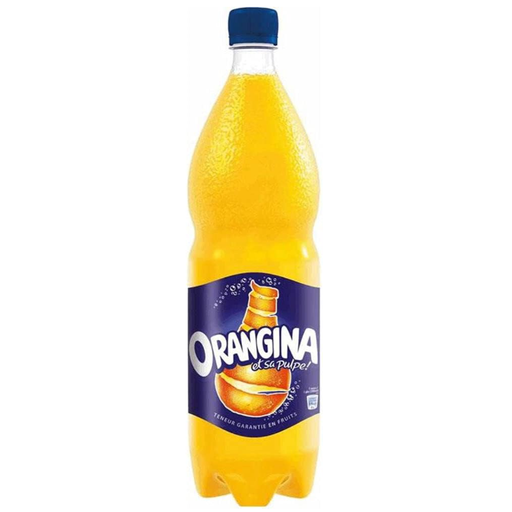
Why this choice suits this profile: Its fizzy recipe, enhanced with pulp and several citrus fruits, is ideal for those looking for a more sophisticated drink to savour.
The presence of sparkling water and 10% juice and other citrus fruits is clearly stated, so you can place this drink in the right category.
1.5 L format, texture from the pulp and 39 kcal per 100 ml according to the information provided.

Why this choice suits this profile: This 400 ml electric citrus juicer is ideal for those who regularly make fresh juice at home.
Its removable parts make cleaning easy, while the five pulp levels let you achieve the texture you want.
30 W power, 220-240 V supply, bladeless design and non-slip base according to the product sheet.
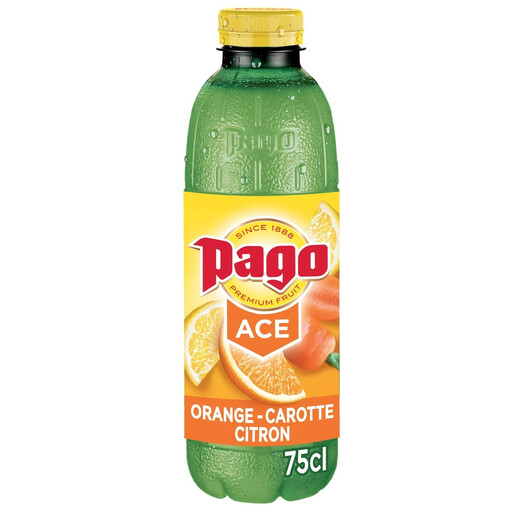
Why this choice suits this profile: The combination of orange, carrot and lemon offers a change from traditional juice and fits perfectly at breakfast or brunch.
The proportions are clearly detailed: 35% orange concentrate, 10% carrot and 2% lemon.
750 ml format, original recipe and 44 kcal per 100 ml according to the product data.
We've put together a comprehensive, real-time updated selection of products that meet these exacting criteria and European safety standards.
Orange juice is mainly made from fruit juice, possibly from concentrate. Orangeade is based on a broader recipe, which can include water, sugar, pulp, flavourings or other citrus fruits. The ingredients list and the percentage of juice will help you tell them apart.
It depends on the product. A juice that needs to be kept in the fridge can generally be consumed within three to five days of opening, but some drinks and concentrates have different recommendations. Always refer to the label, put the bottle back in the fridge when instructed, and avoid leaving it at room temperature for long periods.
The cost depends on the appliance's power and how long you use it. A 30 W model used for a few minutes consumes very little electricity per session. The overall cost is mainly down to the price of the oranges, cleaning and the time needed for preparation. For a family that regularly makes fresh juice, the jug capacity and ease of maintenance may matter more than power alone.