
Livraison le jour même ou le lendemain

Qualité garantie

Débloquez vos offres de bienvenue: Livraison GRATUITE | Jusqu'à -80 % | 30 jours d'essai gratuits à JoyPlus
Téléchargez l'application
The orange drink aisle can be overwhelming: between sparkling soda, traditional orangeade, and pure juice, it's easy to get lost. However, choosing the right beverage isn't just a matter of taste. It's also about labels, ingredients, and intended use. To avoid disappointment and buyer's remorse, knowing how to decode the information is essential.
As a product expert for Joybuy, my mission is to help you navigate your options. Let's break down the common pitfalls and key criteria to select the orange drink that's truly right for you.
Navigating this jungle of bottles can quickly become a headache. Here are two common mistakes that can lead you to the wrong choice.
Confusing "Orange Juice" with "Orange-Flavoured Drink": The packaging may prominently feature a picture of juicy oranges, but the reality is often quite different. An "orange drink" or "orange soda" may contain only a very small percentage of fruit juice (often from concentrate), with the rest being just water, sugar, and flavourings. A pure orange juice, on the other hand, is made from 100% fruit. This distinction is crucial and makes all the difference, both in taste and nutritional profile.
The "Sugar-Free" Illusion: A "sugar-free" label doesn't mean a lack of sweetness. These drinks use sweeteners (like sucralose or acesulfame K) to replace sugar. While this drastically reduces the calorie count, the taste can be surprising and differ from a classic beverage. It's best to know if you enjoy the typical flavour of sweeteners before opting for a sugar-free version.
To make the right choice, two criteria should be examined closely.
Be aware that these names are strictly regulated by French and European law. Understanding them will help you know what you're putting in your cart:
orange juice.orangeade, orange soda): The fruit content is generally below 25%. This is the broadest category, which includes most sodas like Fanta orange or Orangina.Packaging is a common-sense criterion that shouldn't be underestimated.
orange can (330 ml): Perfect for on-the-go consumption, a picnic, or a solo refreshment break. It guarantees freshness and intact fizz with every opening.Here are a few recommendations that cater to very different consumer profiles, taking into account the criteria we've just discussed.
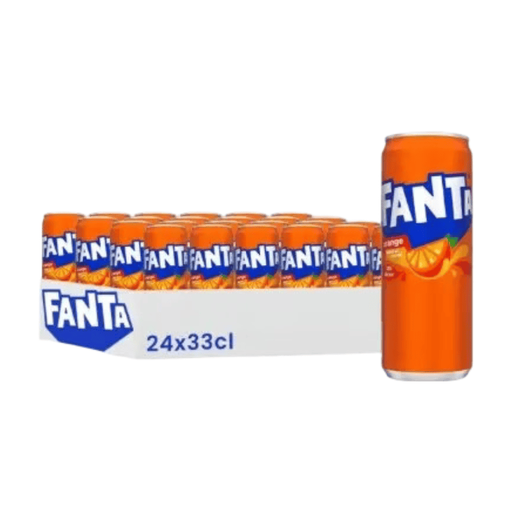
Why it's a great choice: A must-have for anyone organising parties, barbecues, or family get-togethers. This 24-can pack ensures you always have a popular fizzy drink on hand. It's the reliable choice that pleases everyone, from the youngest to the oldest.
This product doesn't pretend to be a fruit juice. It is clearly identified as an orange soda, which avoids any confusion about its fruit content (3.7% from concentrate). The information is transparent.
Economical and convenient pack format. Iconic fruity and sparkling taste, known and loved by a wide audience.
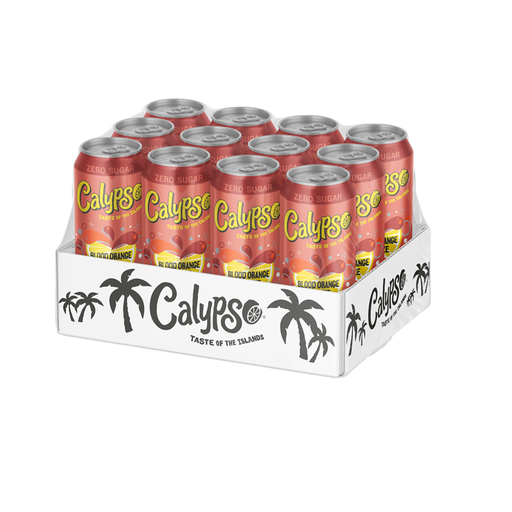
Why it's a great choice: The perfect drink for those who watch their sugar and calorie intake without wanting to sacrifice taste. The original flavour of blood orange and lemonade offers a refreshing experience that's out of the ordinary.
This product perfectly addresses the 'sugar-free' pitfall. It is explicitly formulated with sweeteners (sucralose and acesulfame K) to achieve zero sugar and zero calories, information that is clearly highlighted.
Zero sugar, zero calories, zero carbs. Original flavour combination (blood orange and lemonade) for an alternative to classic sodas.
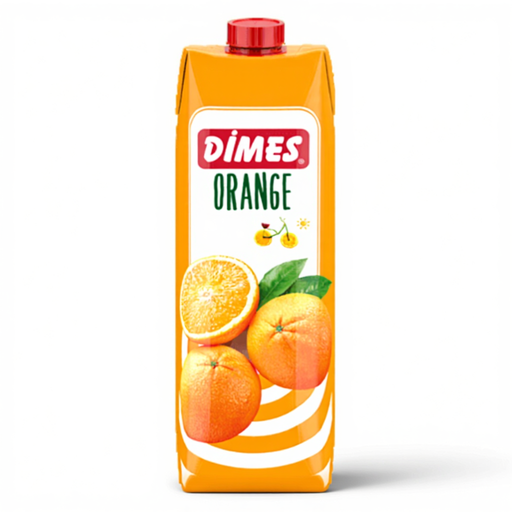
Why it's a great choice: For those who swear by the authentic taste of fruit and its benefits. Ideal for breakfast or as a healthy daily drink for the whole family.
This product is the direct answer to the 'juice vs. drink' confusion. It is a 100% pure orange juice, with no added sugar, no preservatives, and no artificial colours. The promise is clear and delivered.
Pure and natural composition (100% juice). Convenient 1L family-size format, suitable for daily consumption.
Explore our full selection of orange drinks, all tested and approved according to our selection criteria.
1. What's the difference between an orangeade and an orange soda? Although the terms are often used interchangeably, orangeade traditionally refers to a non-carbonated drink made from orange juice, water, and sugar. An orange soda, like Fanta, is a flavoured carbonated orange drink, usually with a lower juice content.
2. How should I store an orange drink after opening it? Whether it's juice or soda, once the bottle is opened, it must be stored in the refrigerator, tightly sealed. For a soda, this helps preserve the carbonation longer. Most manufacturers recommend consuming it within 2 to 5 days of opening to ensure optimal freshness and taste.
3. Are sugar-free orange drinks really calorie-free? Yes, most drinks labelled "zero sugar" or "sugar-free" are also very low in calories, or contain none at all. They use intense sweeteners (like sucralose, aspartame, or acesulfame K) that provide a sweet taste without the energy from sugar. To be certain, a quick look at the nutritional label will give you the exact calorie value per 100?ml.