
Livraison le jour même ou le lendemain

Qualité garantie

Débloquez vos offres de bienvenue: Livraison GRATUITE | Jusqu'à -80 % | 30 jours d'essai gratuits à JoyPlus
Téléchargez l'application
Orange-based products meet a wide range of needs: breakfast, a refreshing drink, a snack, baking or homemade preparation. Yet claims such as “authentic taste” or “natural recipe” are not enough to distinguish between two products. The ingredients, format and storage conditions can significantly affect your experience… and your budget.
Before buying orange juice, an orange drink, orange dried fruit or a citrus juicer, there are three common pitfalls to avoid.
Orange-coloured packaging does not guarantee that a product contains only orange juice. It may be juice made from concentrate, nectar, or a drink made with water, sugar, flavourings and other fruit juices.
To compare products on a like-for-like basis, check:
An orange juice with pulp described as made from 100% pressed oranges is therefore not in the same category as an orangeade or a blend containing apple, carrot and lemon.
Orange snacks and candied orange peel may contain sugar, acidity regulators, preservatives or sulphites. For people who need to avoid certain ingredients, this information is far from insignificant.
The MUSHAN Tangerine Dried Fruit 50 g, for example, contains at least 79.5% orange, but also lists sugar, the acidity regulator E330, the preservative E223 and sulphites. Its soft texture and ready-to-eat format may work well as a snack or for decorating a dessert, provided you check the labelling carefully before buying.
An electric citrus juicer may seem practical on paper. But if some parts cannot be removed, the reservoir is too small or cleaning becomes a chore, the appliance could soon end up unused in the cupboard. You should also check the voltage, capacity, base stability and compatibility with the fruit you use.
A model intended to prepare a few glasses at the weekend will have different requirements from a citrus juicer used every morning by the whole family.
For orange juice, distinguish between simple recipes and more complex blends. The TROPICANA Orange Juice with Pulp 1L lists “100% pressed oranges” as its ingredient, with visible pulp and refrigeration required after opening. Its product information recommends consuming it within 3 to 4 days of opening.
By contrast, the Joker Orange-Carrot-Lemon Juice 90 cl contains, among other ingredients, 50% orange juice, mandarin, apple juice, 10% carrot and 2% lemon. This type of recipe is better suited to consumers looking for a fruity drink with a blend of different flavours.
Choose a volume that suits how often you drink it. A 200 ml format is suitable for one person, while a 750 ml or 1-litre bottle is more practical for a household. For cans, remember to check the total volume of the multipack and the storage space required.
Nutritional values are generally easier to compare per 100 ml. The sugars naturally present in fruit are included in this figure. A flavoured or sparkling drink may therefore have a very different composition from pure juice.
For snacks, also consider the portion you are likely to eat. According to its quantitative declaration, the Bestore Prebiotic Dried Tangerine Peel and Hawthorn Strip 100 g contains 55% hawthorn, 8% dried mandarin peel and 5% prebiotic fibre. It provides 300 kcal and 45 g of sugars per 100 g. These figures make it more like a fruit confectionery product to be enjoyed in moderation than a direct alternative to a fresh orange.
For an electric citrus juicer, the main points to check are:
The Bear CZJ-A04B1 model has a power rating of 30 W, a capacity of 400 ml, five pulp settings and a cone designed for citrus fruit. The ochama model has an advertised 1.4-litre reservoir, which may be better suited to preparing several glasses. In both cases, the main unit must not be immersed, and the appliance must be unplugged before cleaning.
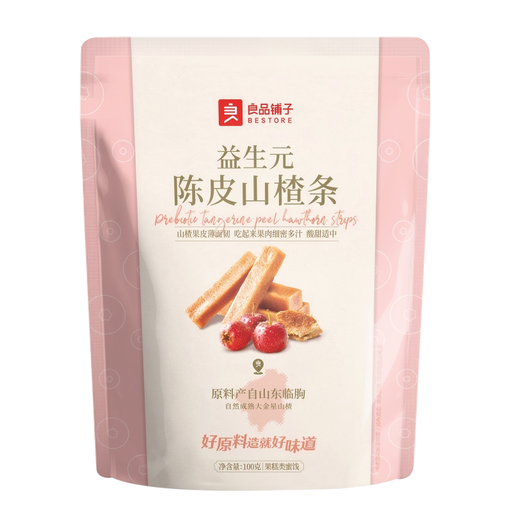
Why this choice suits this profile : Ready to enjoy, this 100 g format lets you discover a fruity, tangy flavour without investing in an appliance or buying a large quantity of drink.
The quantitative declaration details the proportions of hawthorn, mandarin peel and fibre, rather than relying on a vague flavour claim.
A tender texture, a ready-to-eat product and simple storage in a cool, dry place.
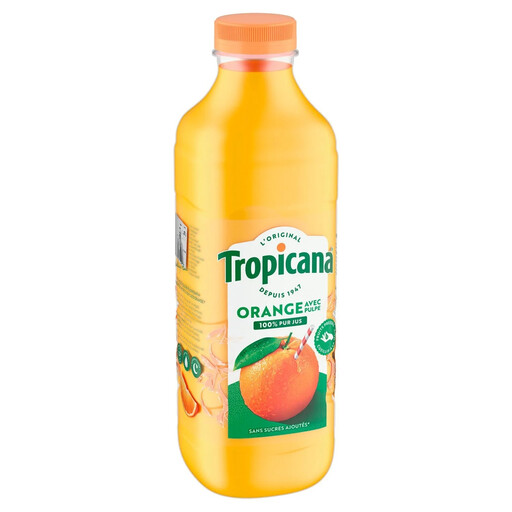
Why this choice suits this profile : It is ideal for fans of orange juice with pulp who want a simple recipe for breakfast or brunch.
The product information clearly details the main ingredient, the absence of added sugar and the recommended storage time after opening.
A 1-litre format, orange pulp and refrigeration required after opening.
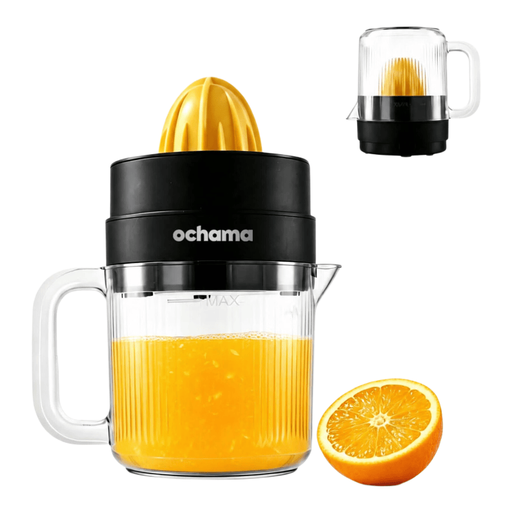
Why this choice suits this profile : With its advertised 1.4-litre capacity, it is suitable for households preparing several glasses of orange, lemon or mandarin juice.
Its blade-free design and removable parts address safety concerns and make regular cleaning easier.
A large reservoir, compatibility with several citrus fruits and a design intended to make dismantling and maintenance easier.
We have put together a comprehensive, real-time selection of products that meet these demanding selection criteria and European safety standards.
A 1-litre format is generally the most practical choice for a family breakfast, provided you can follow the storage instructions after opening. For individual or occasional consumption, a 200 ml bottle or smaller format will help reduce waste. Always compare the ingredients and sugar content per 100 ml rather than relying solely on the volume shown on the packaging.
It depends on the product. Refrigerated juice may need to be consumed within a few days of opening. Some drinks made from concentrate specify a shorter period, sometimes 12 hours to maintain optimum quality. Check the label, return the bottle to the fridge when required and check the use-by date before serving.
The models featured have a power rating of 30 W. Their electricity consumption per use therefore depends mainly on how long they run and how often you prepare juice. The overall cost is more closely linked to the price of the oranges, cleaning and any replacement parts. Over time, a stable, easy-to-dismantle appliance suited to your consumption will often be more practical than a model chosen solely for its purchase price.