
Livraison le jour même ou le lendemain

Qualité garantie

Débloquez vos offres de bienvenue: Livraison GRATUITE | Jusqu'à -80 % | 30 jours d'essai gratuits à JoyPlus
Téléchargez l'application
An oral care routine is about more than just brushing. Interdental spaces, orthodontic appliances, dentures and sensitive gums often require specialised accessories. But you need to steer clear of marketing claims that could lead you towards a product that’s impractical or ill-suited to your needs.
A cordless water flosser with a high pressure rating isn’t necessarily pleasant to use, especially if your gums are sensitive. A jet that’s too powerful can even make the session uncomfortable. In most cases, it’s better to go for several adjustable levels rather than fixating on a maximum figure.
A tank that’s difficult to open or a nozzle that’s impossible to rinse properly can become a chore after just a few weeks. To minimise limescale build-up and unpleasant odours, choose a model with a removable tank, a wide enough opening and easy-to-clean tips. After each use, empty any remaining water and leave the various parts to air dry.
A device designed for orthodontic care doesn’t meet the same needs as a compact travel model. Check the tips supplied: standard, orthodontic, gum-specific or tongue-cleaning. Interdental brushes and dental floss should also be suited to the size of your gaps, without requiring force.
For a water flosser, look at the pressure range and the number of available modes. A gentle intensity makes it easier to get started and allows you to gradually get used to the jet. More experienced users may want a wider range, as long as they follow the manufacturer’s recommendations.
The Sunluxy F5 offers, according to its product listing, an adjustable pressure from 40 to 140 PSI, five modes and a 300 ml removable tank. The BAIR CARE V6 operates with an advertised pressure of 75 to 80 PSI and a pulse spray mode, which gives you better control over the jet.
A 250 to 300 ml tank should be enough for a full session. A larger capacity saves you from having to refill mid-use, but often means a bulkier device. For travel, compare the weight, foldable design, charging type and advertised battery life.
Water resistance is also worth considering. IPX6 and IPX7 ratings indicate resistance to water under conditions defined by the manufacturer, but they don’t mean you can neglect closing the charging port properly.
Dental floss remains particularly relevant when the contacts between teeth are very tight. Interdental brushes are better suited to accessible gaps, provided you choose the right diameter. For an electric toothbrush, also look at whether it has a timer, the softness of the head, and the price and availability of replacement heads.
People wearing orthodontic appliances can combine brushing, an orthodontic tip and interdental cleaning. For a denture, use a cleaner designed for that purpose, then rinse it thoroughly before putting it back in your mouth.
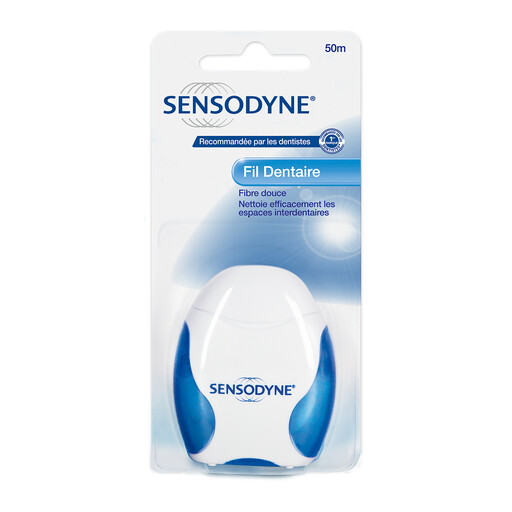
Why this choice suits this profile: This waxed dental floss offers a simple way to start interdental cleaning without investing in an electric device.
Its waxed fibre is designed to glide between teeth, reducing the risk of choosing a floss that’s too rigid for tight contacts.
50 m format, waxed floss and contains 150 ppm fluoride according to the product listing.
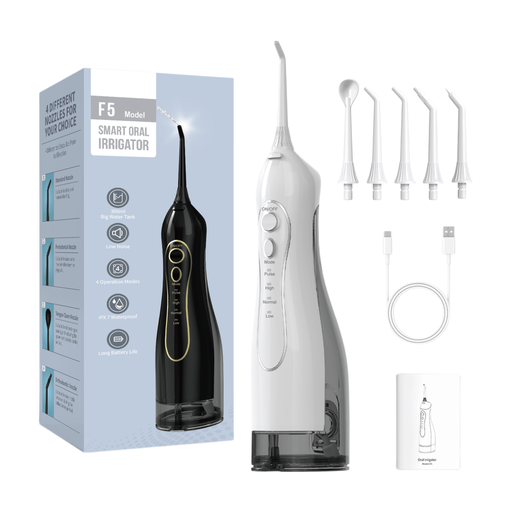
Why this choice suits this profile: It’s aimed at those who want multiple settings, a comfortable tank and different tips to personalise their routine.
Its five modes let you start at a lower intensity, rather than using the maximum advertised pressure straight away.
Advertised pressure from 40 to 140 PSI, 300 ml removable tank, up to 40 days battery life and five types of tips.
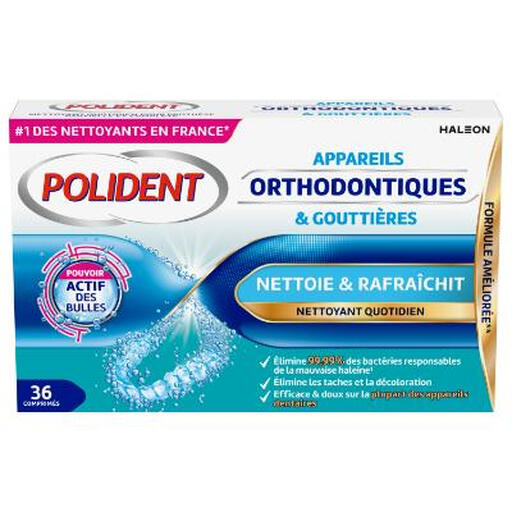
Why this choice suits this profile: These tablets are designed for cleaning orthodontic appliances and removable devices, as a complement to daily maintenance.
The instructions recommend dissolving in warm water for three to five minutes, which avoids using very hot water or a product unsuitable for the appliance.
Box of 36 tablets, described as a non-abrasive formula and made in France according to the listing.
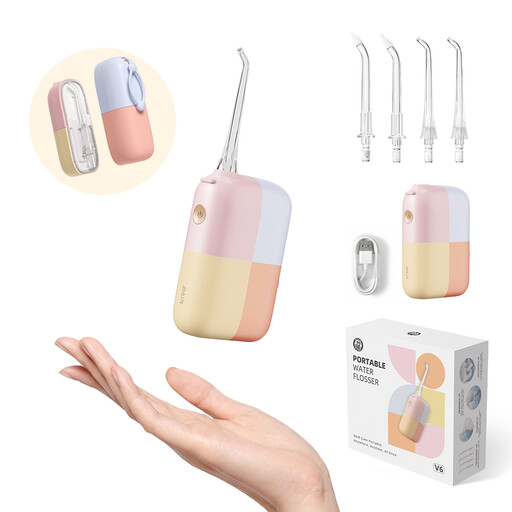
Why this choice suits this profile: Its foldable design and advertised weight of 145 g make it easy to carry in a bag or wash bag.
Its removable magnetic tank and built-in tip storage address the issues of refilling, cleaning and losing accessories.
Folded size advertised at 10 cm, USB-C charging, IPX7 rating and up to 30 days battery life.
We’ve put together a comprehensive list, updated in real time, of products that meet these strict selection criteria and European safety regulations.
Not necessarily. The water jet and dental floss work in different ways. The choice depends on the configuration of the spaces between your teeth, whether you have an orthodontic appliance, and your comfort with each method. They can also be used together, depending on your routine.
The lifespan depends on their wear and the manufacturer’s recommendations. For the Sunluxy F5, the listing advises replacing the tips every three to six months. Interdental brushes should be changed when their bristles are worn or misshapen. Dental floss, on the other hand, should be disposed of after each use.
You need to factor in water, electricity for charging and periodic tip replacements. A rechargeable model saves you from buying batteries regularly. Before ordering, compare the price of replacement nozzles, their availability and how easy the tank is to clean.