
Livraison le jour même ou le lendemain

Qualité garantie

Débloquez vos offres de bienvenue: Livraison GRATUITE | Jusqu'à -80 % | 30 jours d'essai gratuits à JoyPlus
Téléchargez l'application
For bodybuilding enthusiasts, athletes and active people alike, Optimum Nutrition Gold Standard whey meets a very practical need: topping up your daily protein intake without having to prepare a meal every time. However, with different sizes, flavours and formulations available, choosing the right product can quickly prove less straightforward than it first appears.
Before ordering a protein powder, three mistakes are particularly common:
The products featured generally provide 23.7 to 24 g of protein per serving, for a scoop weighing approximately 30 to 32 g. This is more useful for comparing products than the total weight of the packet.
The percentage of protein per 100 g can nevertheless vary depending on the flavour and recipe. Several products state that they contain 74 to 79 g of protein per 100 g. Versions containing biscuits or other ingredients may also be higher in carbohydrates. When choosing a protein powder to support muscle gain, check all of the following:
A whey isolate is a type of whey protein included in the blend. Depending on the product, the selected options combine:
When isolate appears first in the ingredients list, this does not mean that the product consists exclusively of isolate. This distinction matters to consumers looking for a particular formulation or wanting to compare several protein powders precisely.
The products contain milk and generally soya lecithin. Some flavours may also contain traces of gluten, eggs, peanuts or tree nuts. If you have an allergy or intolerance, carefully reading the label remains essential.
A small size allows you to test the flavour and how well you tolerate the product before committing to several weeks’ supply. Sizes of around 2 kg are better suited to regular users, provided you compare the price per serving rather than the price shown on the packet.
Individual sachets meet a different need: they slip easily into a gym bag or suitcase and save you from carrying a large tub or scales. On the other hand, they create more packaging waste and their cost per serving may be higher.
To prepare your shaker, the instructions generally recommend mixing a 30 to 32 g scoop with 180 to 240 ml of water or milk. Whey can be taken at breakfast, as a snack or after training, always as part of a varied diet.
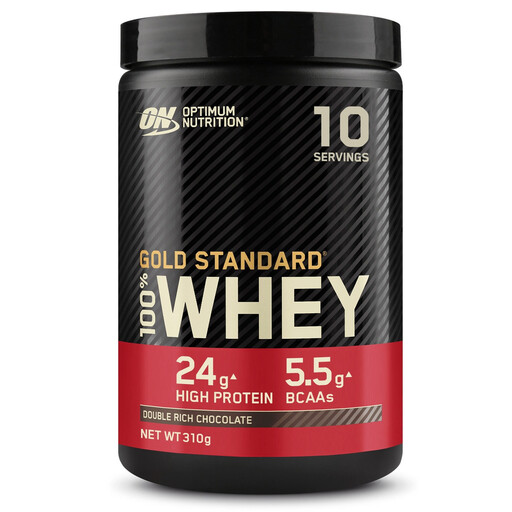
Why this is a good choice for this profile: With 10 servings, this small size lets you try a chocolate whey before moving on to a larger quantity.
The small pack limits the risk of ending up with a large tub that is only half full after choosing a disappointing flavour.
24 g of protein per serving, approximately 116 kcal and 5.5 g of BCAAs per scoop.
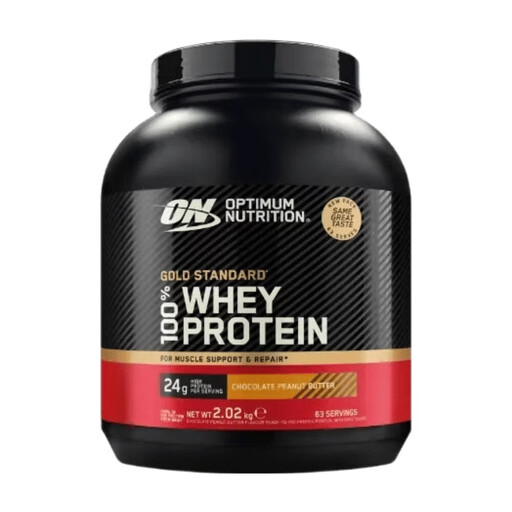
Why this is a good choice for this profile: This large size is aimed at people who regularly consume whey after training and want 63 servings available.
The number of servings is clearly stated, making it easy to calculate the actual cost of each shake.
24 g of protein per scoop, 1.3 g of fat and 2.2 g of carbohydrates per serving, according to the product information.
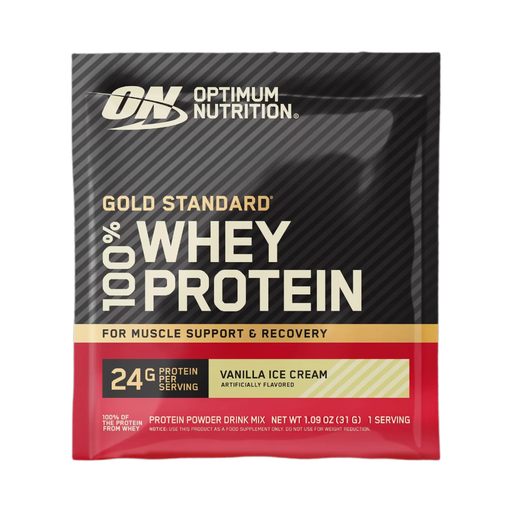
Why this is a good choice for this profile: Individual servings are easy to take with you when travelling, on a day at work or to a training session away from home.
The pre-portioned servings prevent measuring mistakes and save you from carrying a large container.
24 g of protein and 5.5 g of BCAAs per sachet, with the option to prepare it directly in a glass.
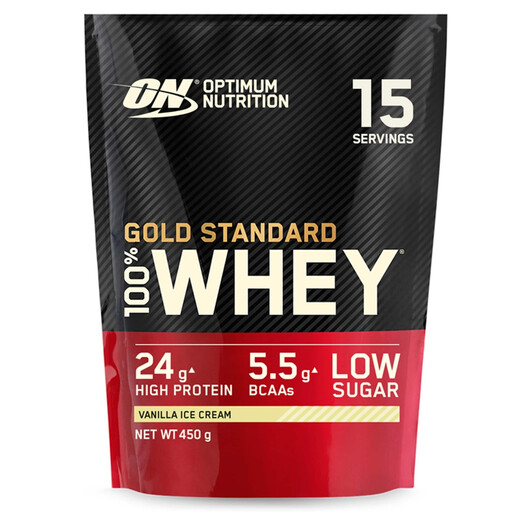
Why this is a good choice for this profile: With 15 servings, this size offers a good balance between trying it out, easy storage and regular consumption.
This medium size prevents you from buying too much powder while still providing enough servings to assess whether it suits your daily routine.
24 g of protein per serving, approximately 1 g of sugar and a blend containing whey isolate.
We have brought together a complete, real-time updated selection of products that meet these demanding criteria while complying with European safety regulations.
Prepare each serving with water or milk, following the quantity stated on the label of your chosen product. The best time to take it depends mainly on how you organise your diet: after training, as a snack or at breakfast. Whey is not a substitute for a varied diet or a balanced lifestyle.
Keep the sachet or tub tightly sealed, in a cool, dry place away from direct light. Follow the manufacturer’s recommended serving. These products contain milk and soya; if you are pregnant or breastfeeding, taking medication or have a health condition, ask a healthcare professional for advice before using them.
A size containing 10 to 15 servings is ideal for trying a flavour such as chocolate or vanilla. Sizes containing 26 to 30 servings are suitable for regular consumption. The larger containers with 63 to 68 servings are better suited to users who already know their favourite flavour.
Whey is a protein powder designed to supplement your diet. An active person can consume it, but it does not replace a balanced diet and is not essential for everyone. Your needs depend in particular on your meals, activity level and individual goals.
Divide the price of the packet by the number of servings, then compare the amount of protein provided per serving. This method prevents you from mistaking a higher total weight for better value for money. Before ordering, also remember to check the flavour, allergens and best-before date.