
Livraison le jour même ou le lendemain

Qualité garantie

Débloquez vos offres de bienvenue: Livraison GRATUITE | Jusqu'à -80 % | 30 jours d'essai gratuits à JoyPlus
Téléchargez l'application
Running, cycling or working with earbuds does not necessarily mean shutting yourself off from the outside world. Open-ear wireless sports earbuds let some ambient sound through, making it easier to hear an announcement, a doorbell or traffic. However, despite often similar specifications, the listening experience can vary considerably.
Before you buy, three common pitfalls are worth bearing in mind:
An open-ear headset may sit around the ear, use a clip or rely on bone conduction. Bone-conduction earbuds transmit vibrations through the areas in front of the ear, without an ear tip inside the ear canal. Models with a speaker directed towards the ear provide a different sensation, often closer to that of conventional earbuds, while still leaving the ear canal unobstructed.
For running and cycling, check:
The fit should be secure enough to prevent unwanted movement, without becoming uncomfortable after a few dozen minutes. An open design helps you stay aware of your surroundings, but of course it does not remove the need to remain vigilant in traffic.
Waterproof earbuds generally come with an IP rating. The first digit refers to protection against particles, while the second concerns protection against water. However, the stated rating should always be considered alongside the usage conditions specified by the manufacturer.
Key points to remember:
Wearing them in the rain, rinsing them after a workout and immersing them in a swimming pool are not the same thing. Bluetooth performs very poorly underwater, so for swimming, a model with built-in MP3 memory may be much more suitable.
For Bluetooth sports earbuds, check each of the following separately:
A model offering long battery life may be perfectly suitable for everyday journeys. However, using noise reduction, making frequent calls or listening at a high volume will generally reduce the available battery life. If you prefer to leave your phone in the changing room or at home, you could consider 32 GB MP3 earbuds, checking beforehand how files are transferred and which formats are compatible.
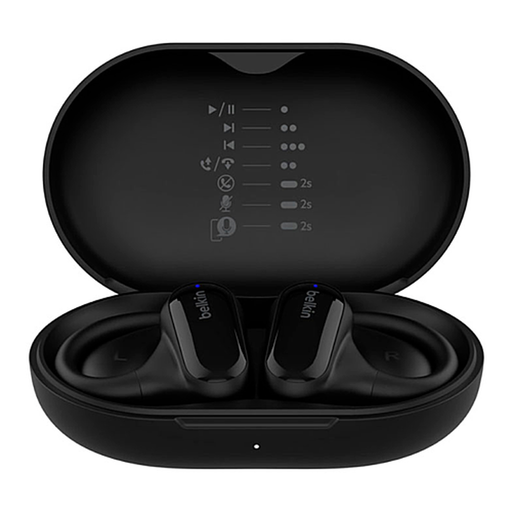
Why this choice suits this profile : A simple open design for discovering running earbuds, accompanying your daily journeys or working from home, with connectivity for two devices.
The IPX5 rating is clearly presented as protection against sweat and splashes, not as making the earbuds suitable for swimming.
Up to 8 hours of battery life per earbud, 26 hours with the case, Bluetooth 5.3, an advertised range of 30 metres and ENC for the microphones.
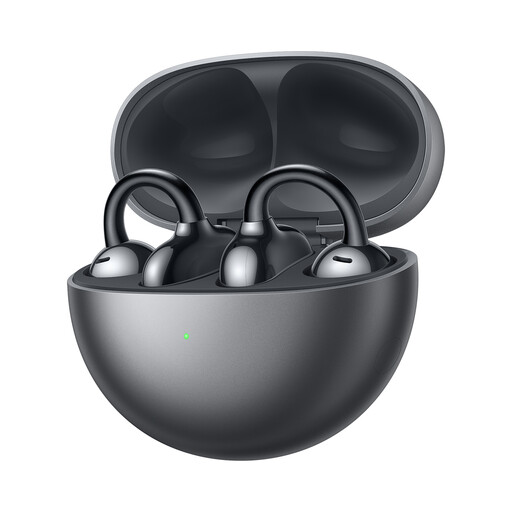
Why this choice suits this profile : The ear-hook design will appeal to anyone looking for a discreet solution for calls, music and travelling.
Its IP54 rating should not be confused with protection suitable for swimming or prolonged immersion.
Advertised weight of 5.6 g, three built-in microphones and up to 36 hours of listening with the case.
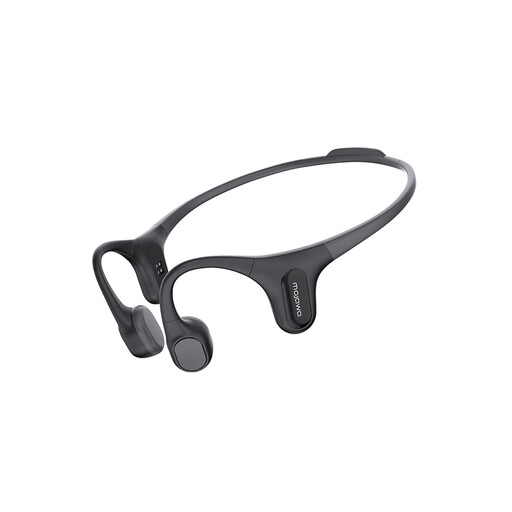
Why this choice suits this profile : Its built-in memory is ideal when your phone stays in the changing room or in a bag, particularly for running and certain water-based activities.
The 32 GB storage and IP68 certification are two separate features : the memory enables standalone playback, while use in water must comply with the instructions.
Bone conduction, a 32 GB MP3 player and advertised IP68 resistance, with a band designed to stay securely in place.
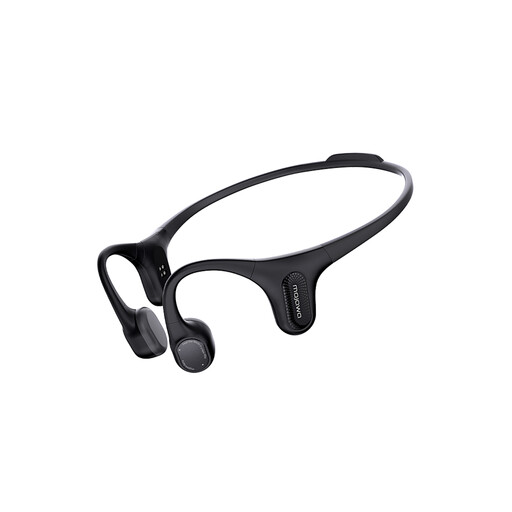
Why this choice suits this profile : This bone-conduction design is made for running, cycling and training sessions, without an ear tip inside the ear canal.
The listing states IP67, while also specifying that the model is not designed for swimming lengths in the pool : usage should be adapted to the situation.
Open-ear design, built-in microphone and advertised IP67 protection against sweat and outdoor exposure.
We have put together a comprehensive, real-time selection of products that meet these demanding criteria and European safety standards.
To help preserve battery life, charge your earbuds before a long outing and avoid leaving a lithium-ion battery completely flat for an extended period. After a damp workout, wipe the earbuds clean and let them dry before putting them in their case or connecting them to charge.
You should also increase the volume gradually. Even with open-ear earbuds, a high volume can mask traffic noise. When cycling, check the local rules and avoid any use that could distract you when the situation requires you to remain fully aware of your surroundings.
They can be suitable for runners who want to listen to content while continuing to hear the sounds around them. Fit, weight and volume remain key factors. When running near busy roads, maintain maximum visual and auditory awareness.
Not necessarily. Bluetooth loses much of its effectiveness underwater. For swimming, it is better to choose a model specifically designed for this use, with internal memory — such as 32 GB MP3 earbuds — and carefully check the IP rating and the manufacturer’s recommendations.
Clean them with a soft cloth, dry the contacts before charging, avoid high temperatures and use a certified cable. Also observe the protection rating : resistance to splashes does not mean that the earbuds can be immersed.