Households sensitive to noise in the living area
If you eat, work or relax near the kitchen, when the dishwasher is running matters just as much as where it is positioned. UFC-Que Choisir highlights the importance of noise in an open-plan kitchen.


For an open-plan kitchen, start by comparing the noise level in dB and the noise class, then look at usable capacity, Eco programme consumption and installation dimensions. A freestanding model gives you more flexibility when arranging your kitchen; a built-in model needs to fit the available space and door panel. If space is limited, distinguish between a slimline 45 cm model and a compact appliance, which has a smaller capacity.
If you eat, work or relax near the kitchen, when the dishwasher is running matters just as much as where it is positioned. UFC-Que Choisir highlights the importance of noise in an open-plan kitchen.
An existing space, door panel or under-counter position can limit your options. Check the dimensions and connections for the model you’re considering before comparing its programmes.
If width is limited, a 45 cm appliance or a compact model may be an option. Compare its capacity and basket layout with the dishes you use every day.
First choose an installation type that suits your kitchen, then compare models by noise level, capacity and the conditions for using the Eco programme.
Worth considering: if you don’t need an appliance to fit behind a kitchen door panel, or if you want more flexibility when arranging your kitchen.
Bear in mind: the appliance will remain visible. Before installing it under a worktop, check that the model allows this and that there is enough clearance.
Worth considering: if your kitchen has a suitable space and door panel.
Bear in mind: you’ll need to make more checks before installation to ensure the unit, hinges and fixings are compatible.
Worth considering: if there isn’t enough room for a standard appliance; first check whether a 45 cm model will fit.
Bear in mind: according to UFC-Que Choisir, 45 cm models are generally advertised as holding 9 to 10 place settings, while compact models hold fewer than 9.
| Criteria | What to check | Who is this for? |
|---|---|---|
| Noise | Compare the dB rating and noise class on the label for the exact model; think about what time you’ll run the cycles. | When a cycle is running during a meal, conversation or quiet evening, I want it to disturb the living area as little as possible. Around 31% of consumers would make quiet operation their top priority. |
| Installation | Measure the space and door clearance; check the available space, door panel and connections for the installation type. | If I’m replacing an appliance in an existing fitted kitchen, it first needs to fit in place and connect properly. Installation compatibility would be a priority for around 25% of consumers. |
| Capacity and cleaning | Compare the advertised place settings, basket layout and space for your dishes; check cleaning and drying results separately. | With dishes to wash every day, I want to fit everything in without leaving pans out and get the cleaning results I need. Around 25% of consumers would put this everyday capacity first. |
| Consumption | On the label, compare kWh per 100 cycles, litres per cycle and the Eco programme duration on a like-for-like basis. | If the appliance is used often, I want to know how much energy and water it uses and whether the Eco cycle duration suits my schedule. This would be the main concern for around 19% of consumers. |
In an open-plan kitchen, a marketing claim won’t help you compare the noise levels of two appliances or predict exactly what you’ll hear in the room.
Check the dB rating and noise class of the models you’re considering, then think about when you plan to run a cycle.
A freestanding model isn’t automatically suitable for under-counter installation; a built-in model also needs to fit the available space and door panel.
Measure the width, height, depth and door clearance, then check the connections and the model’s instructions.
Depending on the layout, you may also need to allow for a door panel, modifications to the unit or an installation service.
These formats don’t offer the same loading capacity. UFC-Que Choisir distinguishes between 45 cm appliances, generally advertised as holding 9 to 10 place settings, and compact models with fewer than 9.
Compare the capacity and basket layout with the plates, utensils and pans you use regularly.
The stated consumption is based on the reference cycle; its duration and the appliance’s noise level also matter when the kitchen is in use.
Compare kWh per 100 cycles, water per cycle and Eco programme duration alongside capacity and installation requirements.
These brand examples illustrate different installation options; check the specifications of each model you’re considering.
Worth considering, particularly if you’re planning a built-in installation and need precise measurements for the available space.
Worth considering if you’re looking for a 60 cm freestanding model with a stated capacity suited to larger everyday loads.
Worth considering when you need a 45 cm model, with freestanding and integrated options depending on the model.
This selection includes freestanding appliances and one built-in model for an open-plan kitchen. Compare their product details with your available space, everyday load and preferred noise level.
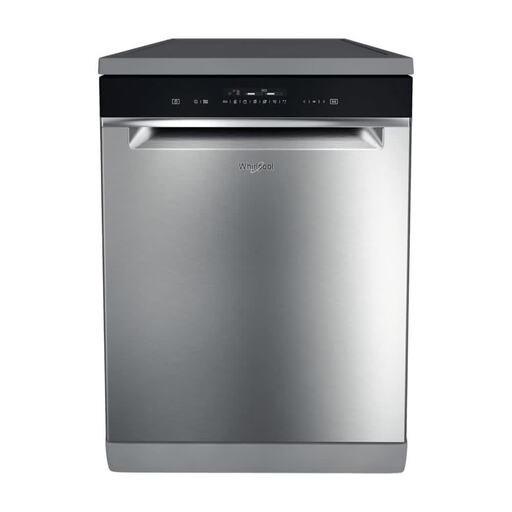 Image unavailable
Worth considering if you’re looking for a freestanding model for larger everyday loads.
The product name states a capacity of 14 place settings and energy rating C. Check the model documentation for its external width before planning where to put it, and check its noise level on the label.
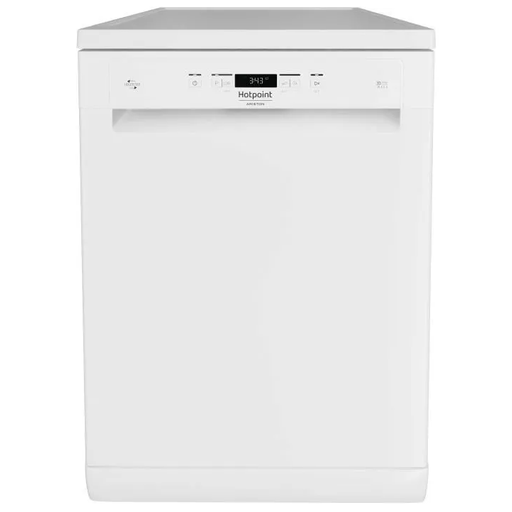 Image unavailable
Worth comparing if you want a freestanding model and need to balance everyday capacity with noise in an open-plan room.
The product name states 14 place settings, 41 dB and energy rating C. For under-counter installation, check the available height and the model instructions.
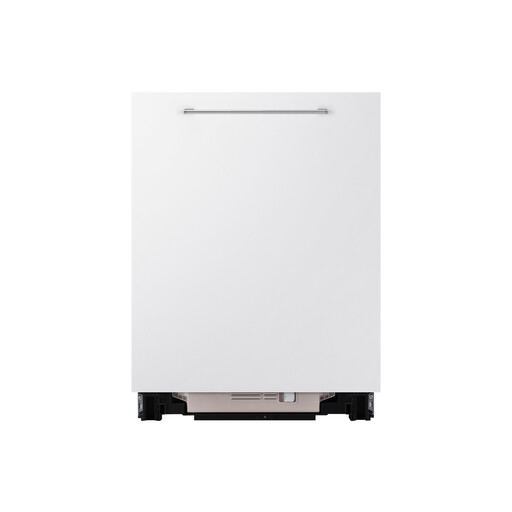 Image unavailable
Worth considering if your kitchen has a space designed for a built-in dishwasher.
The product name states a capacity of 13 place settings and energy rating B. Before buying, check the model’s space requirements, door panel, hinges and connections.
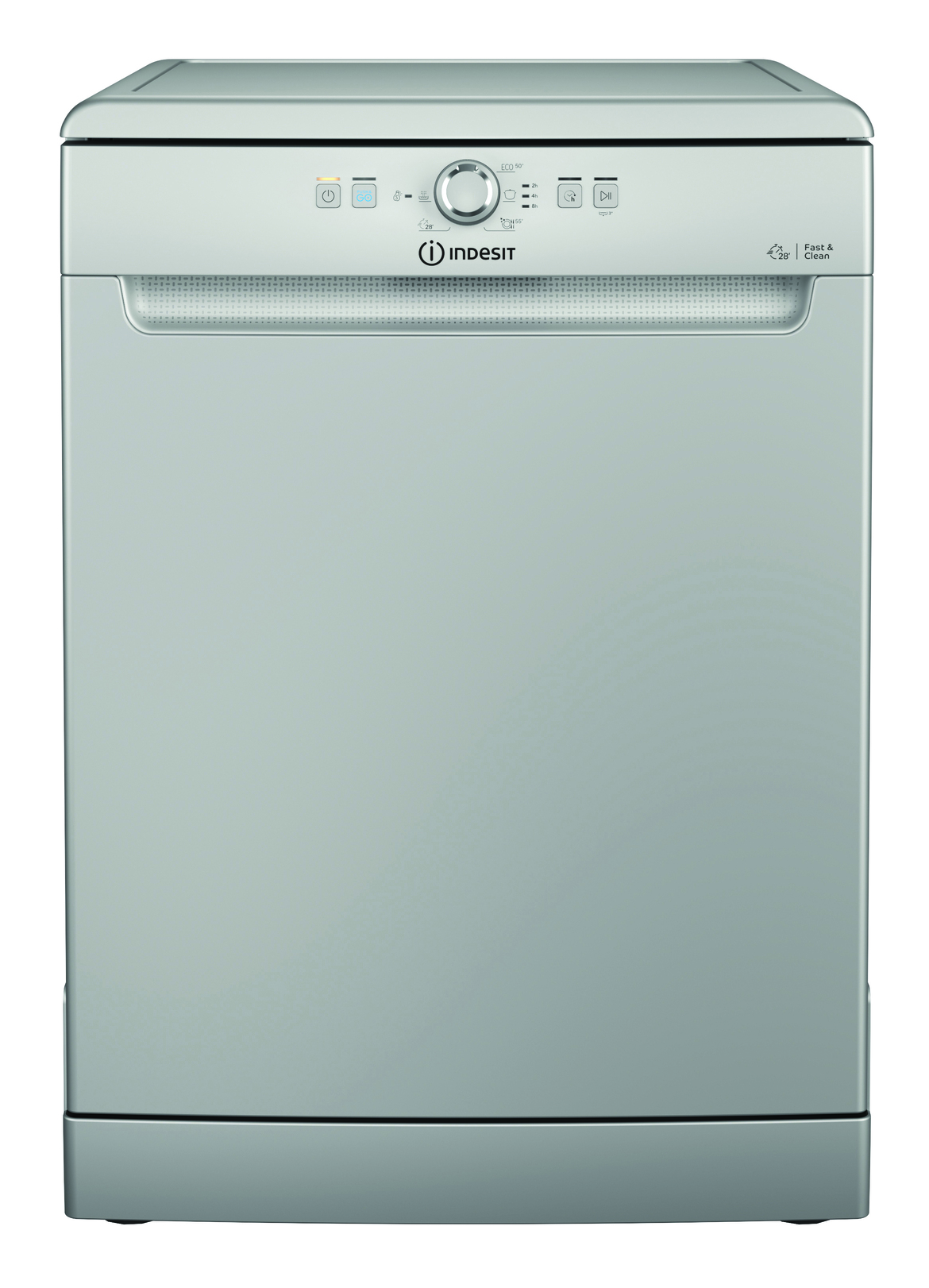 Image unavailable
Worth considering if a freestanding model with an advertised capacity of 14 place settings suits your everyday washing-up.
The product name states energy rating E. Also compare the noise level, consumption and Eco programme duration on the model’s product details.
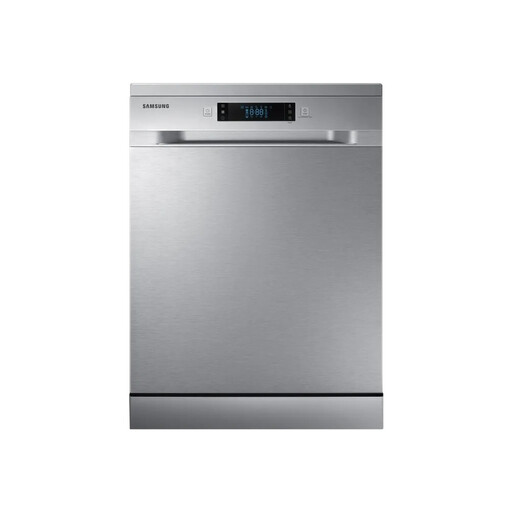 Image unavailable
Worth comparing for everyday use if loading capacity matters and a freestanding model suits your kitchen.
The product name states that it has seven programmes. Check its noise level and Eco programme duration to decide when to run it in an open-plan room.
Compare the dB rating and noise class on the label for each exact model, rather than relying on marketing claims. ADEME lists the noise class as one of the details shown on the label; how noisy an appliance seems will also depend on the room and when it’s running.
Only if the model’s specifications and the available space allow it. Check the instructions for the required height, whether the top can be removed if necessary, the clearances needed and access to the connections.
No. UFC-Que Choisir distinguishes between 45 cm appliances, generally advertised as holding 9 to 10 place settings, and compact models with fewer than 9. Also check that the baskets have enough room for your dishes.
Bosch recommends using a professional to install its built-in appliances, but this recommendation doesn’t establish a general requirement for every installation. In all cases, follow the model instructions and check the space, door panel, fixings and connections.