House shares with washing-up every day
When several people use the kitchen, compare the appliance’s capacity with the washing-up that builds up between cycles. Loading and noise matter too if the room is used for working, eating or relaxing.


For a family or house share that gets through a lot of washing-up, start by checking capacity and the space available, then compare the noise level in dB and the noise class. A 60 cm appliance offers more capacity if you have room to install it; a 45 cm model takes up less width, while a compact one is best suited to smaller loads. A delay-start function lets you choose when the cycle begins, but won’t make it quieter while it’s running.
When several people use the kitchen, compare the appliance’s capacity with the washing-up that builds up between cycles. Loading and noise matter too if the room is used for working, eating or relaxing.
For regular loads near your living space, consider capacity, dB, noise class and the length of the Eco programme together. A high place-setting capacity alone won’t solve the noise issue.
If width or floor space is limited, a 45 cm or worktop model is worth considering. However, count the plates, glasses and utensils you need to wash before choosing a smaller capacity.
Start with the washing-up you produce between washes and the space available. Then compare noise levels and cycles for appliances that will actually fit in your kitchen.
| Priority | What to check | Think about your needs |
|---|---|---|
| Capacity | Compare the stated place-setting capacity with the washing-up you produce between cycles. Also check whether pans, dishes and containers will fit in the racks. | We share meals with several people: I’d rather count the washing-up we actually produce before choosing a compact model. |
| Size | Measure the width and available space. For an integrated model, also check that the cabinet space and door panel are compatible; a worktop model takes up counter space. | There isn’t much width or floor space in the kitchen: I need a model that will fit without sacrificing capacity the household needs. |
| Noise | Check the dB and noise class on the label rather than relying on the word “quiet”. An independent test can also give you a better idea of the noise you’ll hear in use. | The kitchen opens onto the room where we chat or work: I want to compare the noise levels of models that can handle our washing-up. UFC-Que Choisir highlights how important this is when the appliance shares your living space. |
| Water and energy | According to ADEME and the European Commission, the label shows details including water use per Eco cycle and energy use per 100 Eco cycles. Compare these figures with the capacity and how often you’re likely to run the dishwasher. | If we run the dishwasher often, I want to compare consumption on a like-for-like basis, without mistaking Eco figures for those of a quick programme. |
| Cycle planning | Check the Eco programme duration on the label. For a quick programme, check its duration and loading instructions; if the appliance has a delay-start function, it changes the start time, not the noise during the cycle. | Sometimes we need clean dishes between meals: I need to know which cycle suits that turnaround and when to run it. |
In an open-plan kitchen, a marketing label won’t help you compare the noise levels of two appliances.
Check the dB and noise class on their labels. ADEME points out that a 3 dB difference means the noise is almost doubled; an independent test can also help you understand what it might sound like in practice.
A smaller model may mean running more cycles if several people use plates, glasses and dishes before each wash. For example, Beko lists 10 place settings for its 45 cm BDFS26041XQ, compared with 3 standard place settings for Daan Tech’s Bob.
Estimate your usual load, including pans and containers, then check what will actually fit in the racks of the model you’re considering.
The water, energy and duration figures on the label refer to the standard Eco programme, not necessarily the quick programme you might use on some days.
Compare the labels across appliances, then check the manual separately for the quick cycle’s duration, load capacity and conditions of use.
This function delays the start, but doesn’t make the appliance inherently quieter while it’s running.
Choose a start time that suits your household, and check the dB, capacity and consumption figures separately.
These specifications relate to the models mentioned, not each brand’s entire range. Use them to identify the formats and figures worth comparing.
The SMS4HMW08E is an example of a 60 cm freestanding dishwasher for kitchens with enough space.
The BDFS26041XQ is an example of a 45 cm freestanding model for when width is limited.
Bob is an example of a compact model to consider when you have a small amount of washing-up.
The G 7260 SCVi is a fully integrated model to consider if your kitchen has a compatible space for it.
This selection includes freestanding models for shared loads, a worktop model for more moderate washing-up and an integrated model. Compare their capacity with your usual washing-up before you choose.
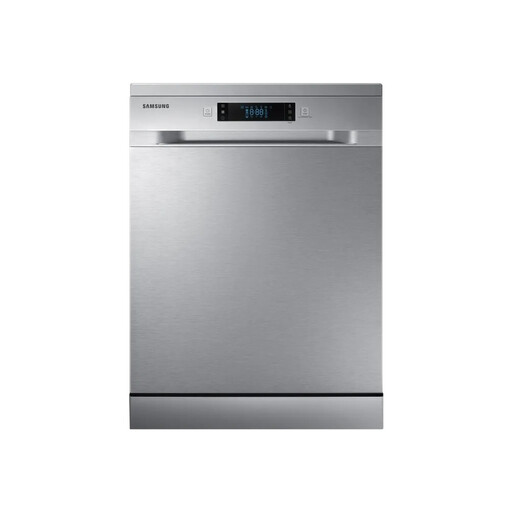 Image unavailable
Its stated capacity of 14 place settings makes it worth considering for a household that often shares meals. The model name mentions seven cycles; check their durations, along with the dB and noise class, if the appliance will run near your living space.
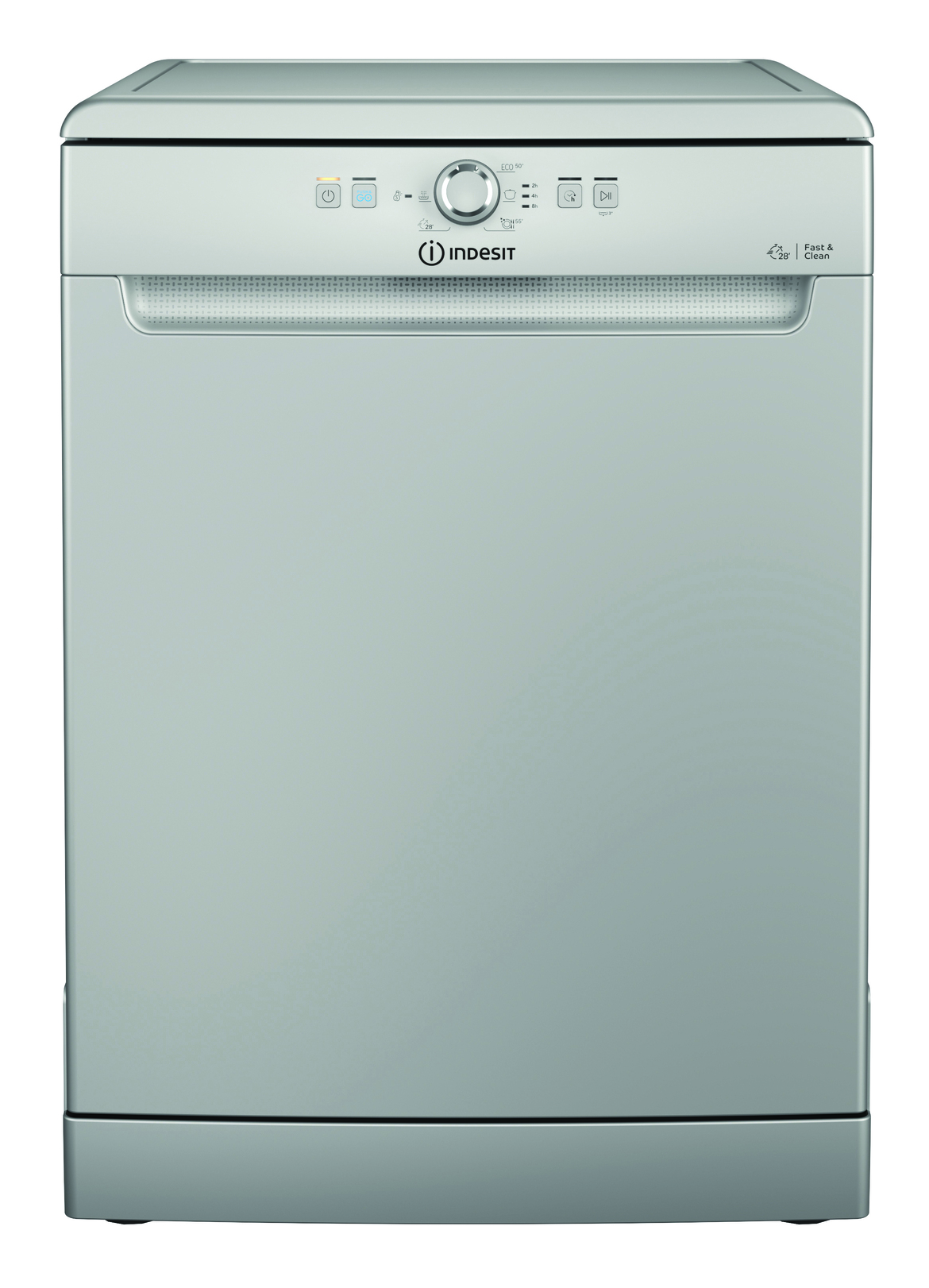 Image unavailable
The 60 cm size and stated capacity of 14 place settings are worth considering if you have enough width and need to handle shared loads. Its listed energy class is E; check the label to compare noise, water use and Eco programme duration too.
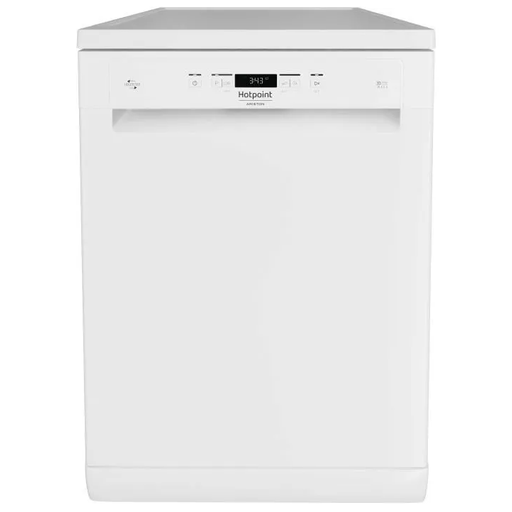 Image unavailable
This model lists 14 place settings for shared washing-up and a noise level of 41 dB, which is worth comparing with the noise class of other appliances. Its listed energy class is C; compare consumption and Eco programme duration on the label.
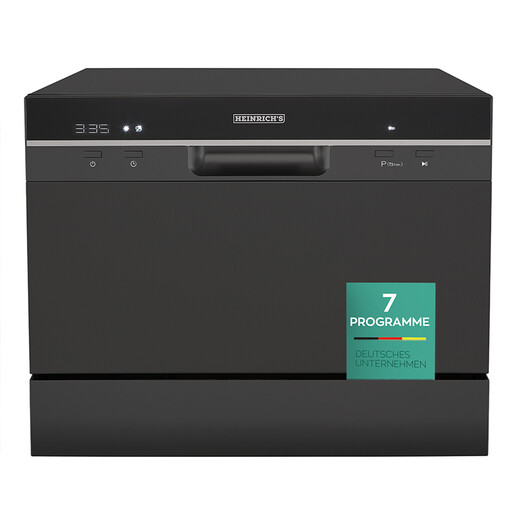 Image unavailable
The worktop format and stated capacity of 6 place settings are worth considering if space is limited and you have a moderate amount of washing-up. The product name lists seven programmes, 47 dB, a D rating and a 24 h delay-start function; check the dimensions, water supply and available worktop space.
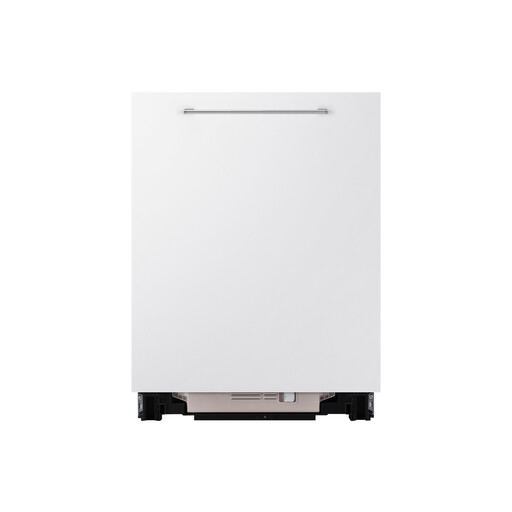 Image unavailable
This integrated model lists 13 place settings and a B energy class, for kitchens with a suitable space. Measure the cabinet space and check that the door panel is compatible; for an open-plan kitchen, compare its dB and noise class separately on the model’s product information.
According to ADEME and the European Commission, the label lets you compare details including the energy class, energy use per 100 Eco cycles, water use per Eco cycle, capacity, Eco programme duration, dB and noise class. These figures don’t necessarily describe the quick programme.
Yes, it’s worth paying attention to: ADEME says that an increase of 3 dB means the noise is almost doubled. How loud it seems also depends on the type of sound and the room, so compare the noise class and, where possible, independent test results as well as the dB figures.
Only if the amount of washing-up between cycles is within its capacity. Daan Tech lists 3 standard place settings for Bob, while Beko lists 10 for its 45 cm BDFS26041XQ; remember to count pans, dishes and glasses before choosing.
No, it lets you delay the start, but won’t reduce the noise during the cycle. For example, Miele lists a delay-start function of up to 24 h on the G 7260 SCVi; check the dB and noise class separately for the appliance you’re considering.