
Livraison le jour même ou le lendemain

Qualité garantie

Débloquez vos offres de bienvenue: Livraison GRATUITE | Jusqu'à -80 % | 30 jours d'essai gratuits à JoyPlus
Téléchargez l'application
Open-ear wireless earbuds are increasingly popular with runners, cyclists and anyone who wants to listen to music or podcasts without completely cutting themselves off from the outside world. Their design lets ambient sounds through, but not every model is equally suited to every use.
Before placing your order, three common misconceptions are worth clearing up:
Here are the criteria to consider when choosing open-ear earbuds suited to your habits and activities in the UK.
Open-ear earbuds sit near the ear or hook around it without blocking the ear canal. Sound is generally delivered by small speakers directed towards the ear. This design is particularly suitable for work, walking and sports sessions where you want to remain aware of your surroundings.
Bone-conduction headphones usually rest against the temples or cheekbones. They transmit vibrations to the inner ear while leaving the ear canal completely clear. Sound quality varies according to your anatomy, positioning and the level of ambient noise. Bass may also sound different from that produced by traditional headphones.
When choosing between clip-on open-ear headphones and a bone-conduction model, pay particular attention to the following:
Be sure to distinguish between the battery life of the earbuds and the additional battery life provided by the case. The Belkin SoundForm ClearFit, for example, offers 8 hours per earbud, and up to 26 hours with the case. According to the product specifications, a 10-minute quick charge can provide up to 60 minutes of listening.
For longer workouts, built-in storage may be more useful than the maximum advertised battery life. Earbuds with MP3 storage let you leave your phone behind, provided you check the compatible formats, available capacity and file-transfer method.
IP ratings indicate a level of resistance defined under specific conditions:
Bluetooth does not transmit data reliably underwater. In the pool, a model such as the Mojawa Run Plus must therefore be used in MP3 mode, with files transferred in advance. After swimming, rinse the device with fresh water, dry the magnetic contacts and never charge it while it is wet.
Bluetooth 5.3 provides up-to-date connectivity, but range and stability also depend on nearby obstacles and the phone being used. Multipoint connectivity can be useful if you want to stay connected to both a computer and a smartphone.
Do not confuse ENC with active noise cancellation. ENC works through the microphones during calls to reduce certain background noises heard by the other person. It does not necessarily remove ambient noise when you are listening to music.
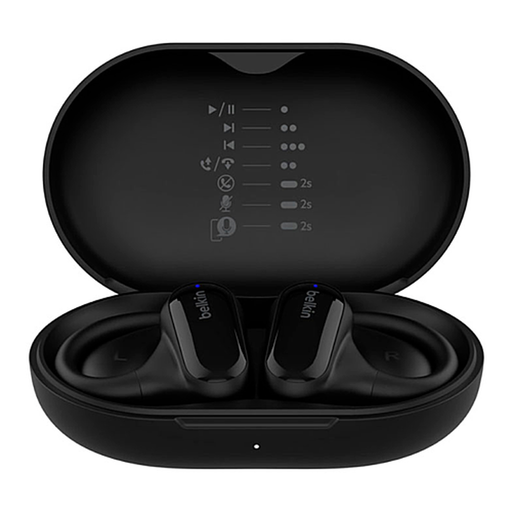
Why this choice suits this profile : an open, versatile solution for discovering this format on public transport, while working from home or during moderate exercise.
The product information distinguishes call-focused ENC from the open design and states an IPX5 certification, without presenting the product as suitable for swimming.
Bluetooth 5.3, multipoint connectivity, 8 hours of battery life per earbud and 26 hours with the case.
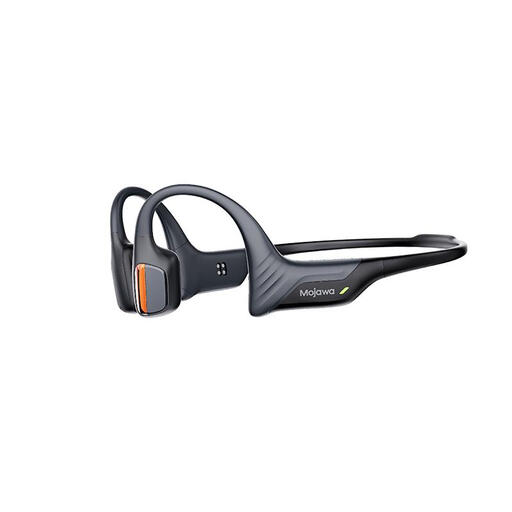
Why this choice suits this profile : its bone-conduction design is made for running, cycling and fitness, with a fit that should remain stable during exercise.
The product information specifies sports use and an IP67 rating, while recommending that the device be dried after exposure to moisture.
Built-in microphone, voice control, open design and IP67 resistance to dust and moisture, within the specified limits.

Why this choice suits this profile : an option designed for users who combine running, cycling, gym workouts and swimming.
The product information states that Bluetooth does not work underwater and provides an MP3 mode for submerged activities.
32 GB of built-in storage, stated IP68 rating, up to 8 hours of battery life and an equalisation mode for swimming.
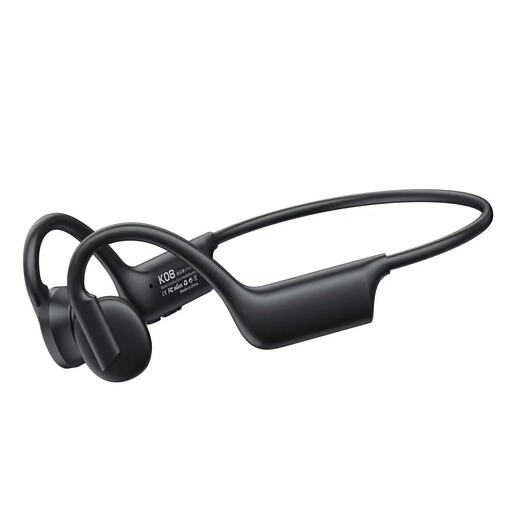
Why this choice suits this profile : lightweight headphones designed for running, hiking, cycling or weight training.
The product information mentions sports use and sweat resistance, while recommending that deep immersion be avoided.
Stated weight of approximately 25 g, Bluetooth depending on the version and advertised battery life of approximately 7 to 10 hours.
We have put together a complete, real-time updated list of products that fully meet these strict selection criteria and European safety regulations.
They can suit runners who want to remain aware of surrounding sounds. However, reduce the volume, check that the fit remains secure and avoid using them in situations that require complete auditory attention.
Not with every model. Bluetooth does not work properly underwater. For swimming, choose earbuds with MP3 storage, an explicitly suitable water-resistance rating and an offline playback mode. You should also follow the manufacturer’s rinsing and drying instructions.
This depends on how often they are used, the number of charging cycles, exposure to sweat and how well they are maintained. To extend their lifespan, avoid excessive heat, dry the contacts before every charge and do not force the attachment components. Also check the warranty and service conditions offered by the seller before buying.