
Livraison le jour même ou le lendemain

Qualité garantie

Débloquez vos offres de bienvenue: Livraison GRATUITE | Jusqu'à -80 % | 30 jours d'essai gratuits à JoyPlus
Téléchargez l'application
Morning jogs, bike rides, or just commuting through the city: the desire to listen to your music or a podcast is a given. Yet, shutting yourself off from the outside world isn't always wise—and can even be dangerous. This is precisely where open-ear sports headphones come in, a technology designed to balance audio enjoyment with safety by staying aware of your surroundings.
But be warned: the market is flooded with confusing marketing promises. Before you decide, it's crucial to understand the common pitfalls that too often turn a promising purchase into a real disappointment.
This guide is here to give you the keys, decode the jargon, and help you choose the model that will truly meet your expectations.
To avoid unpleasant surprises, focus on a few non-negotiable technical features. Mastering them will allow you to make an informed decision that goes far beyond advertising slogans.
The "open-ear" concept covers two distinct technologies, each with its own pros and cons.
The choice between the two is ultimately a matter of feel and personal preference.
The Ingress Protection (IP) rating is an international standard that defines a device's level of resistance to dust (the first digit) and water (the second digit). For sports headphones, the second digit is what really matters.
Properly checking this IPX waterproof rating will save you from the classic disappointment of a device failing due to sweat or rain.
For both sports and remote work, two other points are crucial.
Rather than an exhaustive list, we've matched specific models to user profiles to help you find the perfect fit.
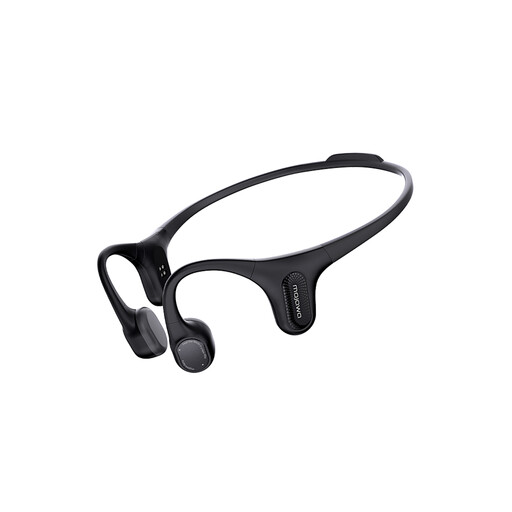
The Profile: Designed for intense workouts, this bone conduction headset offers an impeccable fit and rock-solid durability, whether for trail running, mountain biking, or gym sessions.
It eliminates any doubt about waterproofing with a certified IP67 rating, guaranteeing flawless protection against dust and immersion. Its bone conduction design removes pressure points in the ear canal, ensuring long-term comfort.
Perfect environmental awareness thanks to bone conduction headset technology. High durability for extreme conditions.
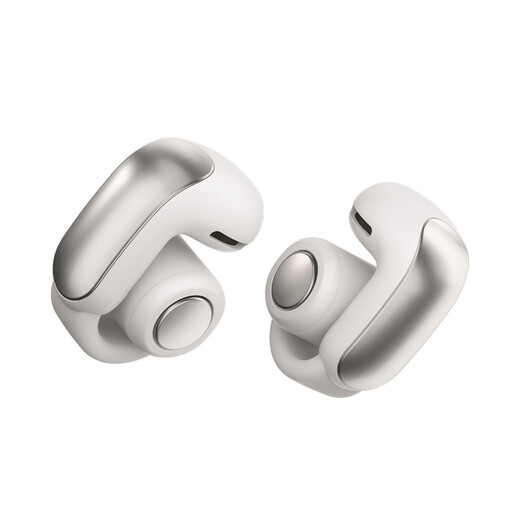
The Profile: Perfect for those who wear their earbuds all day long, from the office to a casual walk, without any intrusion into the ear canal.
It tackles the problem of long-term discomfort head-on. Its wireless clip-on design rests gently on the outer ear, eliminating any pressure or fatigue, even after hours of listening.
Exceptional comfort for extended wear and immersive sound thanks to Bose's OpenAudio technology. Very practical multipoint connection.
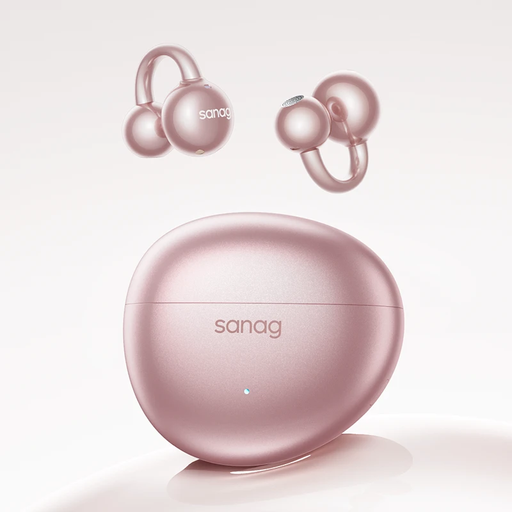
The Profile: For those who travel or interact internationally, this Sanag model integrates an AI-assisted translation feature while retaining the benefits of a bone conduction headset for sports and travel.
It stands out by adding real value with its translation feature, something often promised but rarely well-integrated into an open-ear format. It also meets the need for solid battery life for long travel days.
Unique functionality of AI translator earbuds (via an app), in addition to being a high-performance bone conduction sports headset.
We have curated a full range of products that meet our demanding selection criteria and current safety standards.
Bone conduction generates slight vibrations on the jawbones, a sensation some people notice at first, especially at high volumes. Open-ear air conduction headphones don't have this effect, as the sound is simply directed at the entrance of the ear canal. Ultimately, it all comes down to personal feel.
Yes, in most cases, an IPX4 rating is sufficient. It guarantees protection against sweat and light rain. However, if you frequently run in heavy downpours or sweat profusely, it's better to aim for an IPX5 rating or higher for peace of mind.
Yes, provided you choose a model with a good noise-cancelling microphone. This technology is crucial for filtering out wind and traffic noise. Without it, your voice may be inaudible to the person you're speaking with. Be sure to check for this feature on the spec sheet before you buy.