Working out to music is great. Hearing the car coming up behind you is even better. For runners, cyclists, and other athletes, maintaining awareness of your surroundings is a matter of safety. That's not to mention the discomfort many people experience with in-ear headphones over long periods.
This is where open-ear sports headphones come in: they deliver your music without cutting you off from the world. This guide breaks down the different technologies, presents our selection of the best models, and helps you make the right choice.
How to Choose Headphones That Don't Block Out Noise?
The open-ear headphone market is booming. To find the perfect pair for your activities, here are the key points to consider.
1. Technology: Bone Conduction vs. Clip-On Design
It all comes down to technology—specifically, how the sound reaches your ears.
- Bone conduction headphones: This technology transmits sound through light vibrations on your jawbones, just in front of your ears. The sound bypasses the eardrum to reach the inner ear directly. The result: your ear canal remains completely open, allowing for perfect perception of ambient sounds.
- Clip-on (or air conduction) earbuds: These models clip onto the outer ear and direct sound towards the ear canal without ever obstructing it. They exert no pressure and are often praised for their comfort and light weight.
The choice between the two will come down to your personal sensitivity and comfort preferences.
2. Waterproofing: Understanding the IP Rating
For sports, resistance to water and sweat is non-negotiable. The IP (Ingress Protection) rating is your key to understanding the level of protection.
- IPX4: Protection against splashes. Sufficient for light sweat.
- IP55: Protection against dust and low-pressure water jets. Ideal for running headphones in light rain.
- IP67: Fully protected against dust and submersible up to 1 metre for 30 minutes. Perfect for intense, rainy workouts.
- IP68 / Swim-proof: These models are designed for prolonged immersion. Most of these MP3 swimming headphones include a built-in music player, as Bluetooth connectivity is notoriously unreliable underwater.
3. Battery Life and Useful Features
Make sure the advertised battery life is long enough to cover your longest sessions. Also, don't overlook the quality-of-life features that make a big difference: high-quality microphones for calls, convenient voice commands, or internal storage to work out without your smartphone.
Open-Ear Sports Headphone Picks
Here is our selection of standout models, each excelling in a specific area.
Mojawa Purra Run: The Runner's and Cyclist's Ally
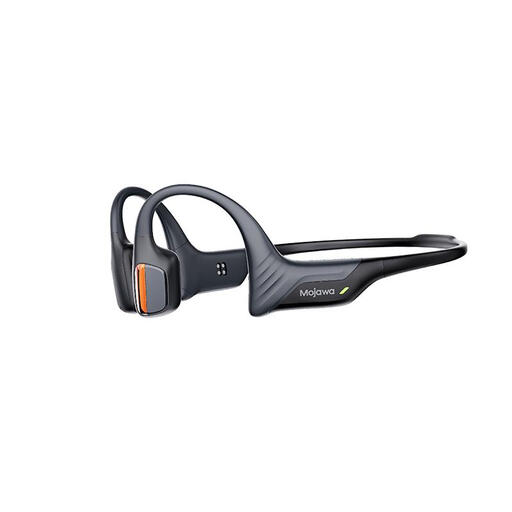
- Why it stands out: The Mojawa Purra Run is the archetype of a great bone conduction headphone designed for demanding athletes. It checks all the boxes: sound, comfort, and above all, safety. Its excellent waterproofing makes it a prime choice for training outdoors in any weather.
- Pros:
- Technology: Total environmental awareness thanks to bone conduction.
- Waterproofing: IP67 certified, it's resistant to sweat, rain, and dust.
- Audio: Optimised sound with surprisingly present bass, which is often a weak point for this technology.
- Comfort: An impeccable fit thanks to an ergonomic structure that stays put, even during intense effort.
- Who is it for?: The ideal companion for runners, cyclists, and fitness fans looking for a robust and reliable model for their most intense workouts, without ever compromising on safety.
Soundcore AeroClip by Anker: Comfort Above All Else
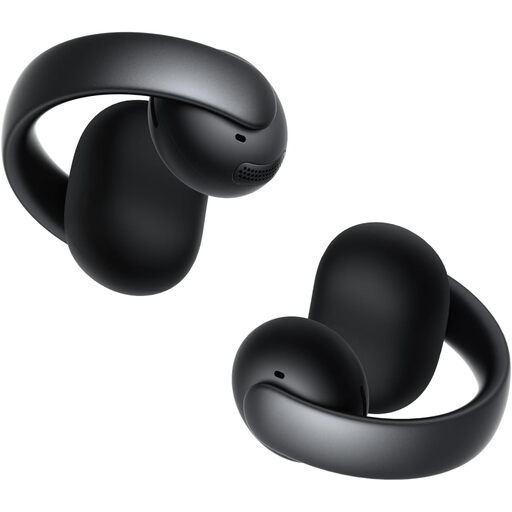
- Why it stands out: The AeroClip breaks away from traditional neckband designs with its unique clip-on form factor. Each earbud rests gently on the ear, eliminating any pressure on your head. The promise? Absolute comfort, whether you're at the office all day or out on a long hike.
- Pros:
- Design: Long-lasting comfort thanks to the open-ear, clip-on design that doesn't insert anything into the ear canal.
- Call Quality: Crystal-clear calls thanks to 4 microphones and an AI algorithm that isolates your voice from background noise.
- Audio: Precise sound and well-defined bass from the 12mm titanium-coated drivers.
- Fit: A customisable and secure fit thanks to a memory-titanium wire core.
- Who is it for?: An excellent choice for those seeking maximum long-term comfort, who take a lot of calls on the move, or who simply dislike traditional neckbands.
Mojawa HaptiFit Terra: For Swimmers and Standalone Athletes
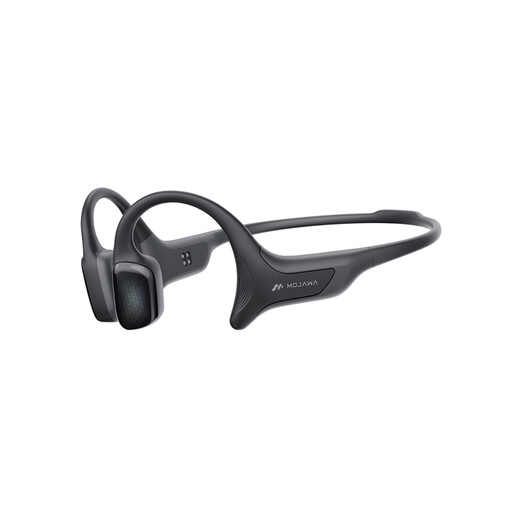
- Why it stands out: The HaptiFit Terra targets a very specific audience: swimmers and athletes who want to leave their smartphone in the locker. Its secret weapon? Dual functionality as both Bluetooth headphones and a built-in MP3 player, plus rock-solid waterproofing, making it a true standout in the market.
- Pros:
- Dual Mode: Works via Bluetooth or as a standalone MP3 player with 32GB of storage, enough to hold thousands of tracks.
- Waterproofing: Fully waterproof, it's designed for swimming and will accompany you through your laps with music.
- Technology: Bone conduction ensures effective sound transmission, both in and out of the water.
- Versatility: The athlete's Swiss Army knife: a single headset for running, cycling, and, of course, swimming.
- Who is it for?: The essential ally for swimmers, triathletes, and anyone who dreams of training without being tethered to their smartphone. Simply put: freedom.
Looking for other options?
Our selection highlights specific use cases, but the world of open-ear headphones is much broader. Many other models exist, for all styles and budgets.
To explore a wider range, including different types of headphones and features, check out our full category of Headphones & Headsets.
Frequently Asked Questions
Is bone conduction safe?
Absolutely. Bone conduction is a safe technology that has been used for decades in the medical field, particularly for certain hearing aids. By transmitting sound vibrations directly to the jawbones, it preserves the eardrum. It can even be a benefit for people with certain auditory sensitivities. Of course, as with any audio device, it is advisable to maintain a reasonable listening volume.
Is it legal to use headphones while cycling?
Laws can be strict: in many regions, regulations prohibit wearing any sound-emitting device (earbuds, earpieces, headphones) for drivers, including cyclists. This ban targets devices that are inserted into or cover the ear. Bone conduction headphones, which leave the ear canal free, exist in a legal grey area. However, safety always comes first. Because they allow you to remain aware of traffic, they represent a much more prudent alternative to traditional headphones. The golden rule is to use common sense: keep the volume moderate so you are never cut off from the sounds of the road.
Is the audio quality of open-ear headphones comparable to in-ear models?
Let's be honest: the experience isn't the same. By isolating the ear, in-ear headphones naturally offer better immersion and deeper bass. Open-ear models, on the other hand, are designed as a compromise: quality sound, but without cutting you off from the world. That said, the technological advancements are impressive. Recent models, like those in our selection, offer clarity and bass response that make for a perfectly enjoyable listening experience during exercise. You won't get the immersion of a closed-back audiophile headphone, but that's not their purpose.


