
Livraison le jour même ou le lendemain

Qualité garantie

Débloquez vos offres de bienvenue: Livraison GRATUITE | Jusqu'à -80 % | 30 jours d'essai gratuits à JoyPlus
Téléchargez l'application
The market for open-ear sports earbuds is exploding, with an appealing promise: enjoy your music without cutting yourself off from the world. It's ideal for running in the city, cycling safely, or simply staying aware of your surroundings at the office. However, an impulse buy often leads to disappointment when the product fails to live up to its marketing promises.
As the Head of Product Recommendations at Joybuy, my mission is to guide you. Let's break down the 3 common pitfalls to avoid so you can make the right choice with confidence.
To avoid these traps, rely on objective technical criteria. These are the real deciding factors for evaluating a product's performance and suitability for your needs.
The IP rating is an international standard that defines a device's level of resistance to water and dust. It's a non-negotiable criterion.
Your choice of technology directly impacts your experience.
A good pair of wireless sports headphones should be unnoticeable. Check the battery life of the earbuds alone (aim for at least 5-6 hours for sports) and the total battery life provided by the charging case. Multipoint Bluetooth is a major asset if you juggle multiple devices, like your smartphone and computer.
Instead of just a long list, here are our targeted recommendations for different user profiles, based on the criteria we've just covered.
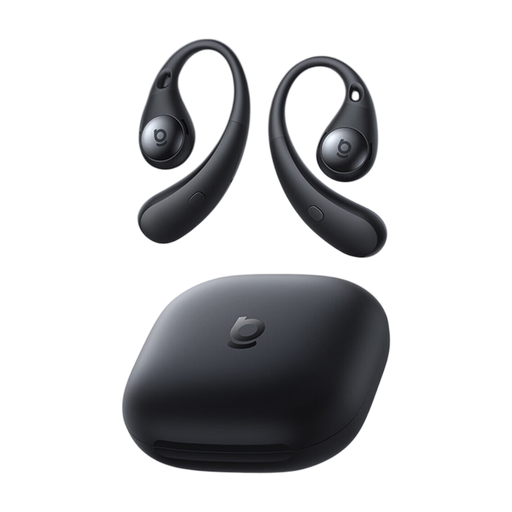
Why we recommend it: Perfect for switching between outdoor runs and gym sessions. Its 100% wireless (True Wireless) design with flexible ear hooks ensures total freedom of movement and rock-solid stability.
It tackles the "universal fit" pitfall with its adjustable ear hooks that adapt to many ear shapes, drastically reducing the risk of them falling out mid-run.
It combines the freedom of a 100% wireless design with the security of an ear hook. The perfect compromise for varied activities.
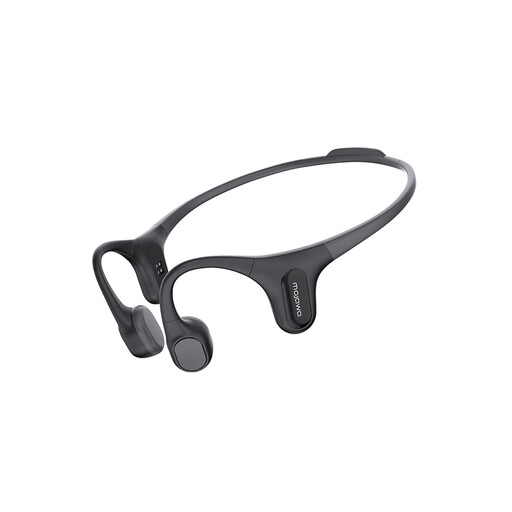
Why we recommend it: Built for extreme conditions. Its IP68 certification makes it fully submersible, and its built-in 32GB MP3 player bypasses the inevitable problem of Bluetooth, which doesn't work underwater.
It shatters the illusion of false waterproofing by offering a true IP68 rating and providing a practical solution (the built-in MP3 player) for swimming, where the competition gives up.
Its dual functionality: an IP68 rating for immersion and 32GB of MP3 storage for 100% standalone listening, without a phone and even underwater.
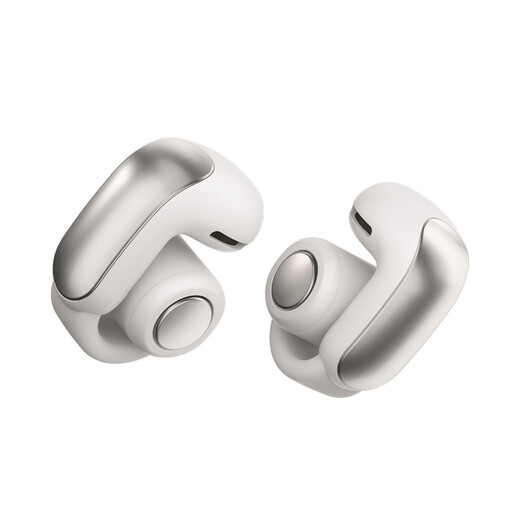
Why we recommend it: For those who refuse to compromise on long-term comfort, audio quality, and design. Ideal for daily commutes, remote work, or city strolls, they let you stay connected to the world without sacrificing signature Bose sound quality.
With its unique clip-on design and flexible hinge, it avoids the fit pitfall by focusing on all-day comfort rather than purely athletic stability. The result: you can wear them all day without a second thought.
The OpenAudio technology promises rich, immersive sound without ever blocking your ear, all in a sleek design made for everyday life.
Explore our full selection of products that meet our demanding selection criteria and current safety standards.
Bone conduction headphones transmit sound via vibrations on the jawbones directly to the inner ear, leaving the ear canal completely open. Air conduction models, often clip-on earbuds, use tiny speakers that project sound towards the ear without obstructing it. In short: bone conduction maximizes environmental awareness, while air conduction generally offers richer sound, especially in the bass.
Yes, but only under one condition: choose a model with an IP68 certification, which guarantees protection against prolonged immersion. Be aware that the Bluetooth signal does not work underwater! It is therefore essential to opt for headphones with a built-in MP3 player to listen to your music during your laps.
Excellent question. Generally, yes. Most bone conduction models, with their behind-the-neck band, are designed to coexist with glasses or a bike helmet (the band fits under the arms of the glasses). For clip-on models that attach to the outer ear, the fit can be trickier. Our advice: look closely at the design and read reviews from users who wear glasses.