
Livraison le jour même ou le lendemain

Qualité garantie

Débloquez vos offres de bienvenue: Livraison GRATUITE | Jusqu'à -80 % | 30 jours d'essai gratuits à JoyPlus
Téléchargez l'application
Running, cycling or working out with wireless headphones does not necessarily mean shutting yourself off from the world around you. Open-ear Bluetooth headphones for sport obstruct the ear canal less than in-ear models, making it easier to hear a bicycle bell, an announcement or nearby sounds.
However, be wary of marketing terms such as “open ear”, “bone conduction”, “AI” or “sport”. On their own, these labels do not indicate whether a model is genuinely suited to your needs. Here are the key criteria to consider before buying, followed by a selection of products available on Joybuy.
Open-ear headphones let more ambient sound through, but they never remove the need to stay alert. In the street, on a bike or near heavy traffic, listening volume, speed and surroundings all make a difference. Some manufacturers also specify that their headphones should not be used while driving, in traffic or when operating machinery.
For outdoor sports, keep the volume moderate and avoid wearing both headphones when being fully aware of surrounding sounds is essential.
In France, sweat and rain showers are part of everyday life for many athletes. Yet not all wireless sports headphones offer the same level of protection. If the product listing does not specify an IP rating, you should not assume any particular resistance to water.
Never submerge the headphones or their case unless the manufacturer explicitly confirms that they are designed for it. After training, wipe down the surfaces and allow the charging contacts to dry before starting a recharge.
Battery life varies according to listening volume, calls, distance from the phone and active features. A runtime described as “long” may reflect a specific test scenario rather than everyday use involving calls and touch controls.
Also check the recharge time, the type of port — usually USB-C — and whether a charging case is included.
Clip-on Bluetooth headphones and models with an ear hook do not fit like in-ear headphones. Their stability depends on the shape of the outer ear, their weight and the flexibility of the band or clip.
For running and dynamic workouts, look for:
Labels such as “bone conduction” or “bone conduction concept” should be assessed carefully. A listing that refers to a “bone conduction concept” alongside an open design is not, by itself, enough to classify the product as a medical-grade headset or confirm that it genuinely transmits sound through the bones.
Bluetooth 5.4 helps provide a current-generation connection with low-latency transmission. However, range and stability also depend on the phone being used, obstacles and the surrounding radio environment. The VoxorAI C6, for example, lists Bluetooth 5.4 connectivity and a maximum range of approximately 15 metres in the supplied specifications.
For calls, check the number of microphones and how noise reduction is described. A statement such as “noise reduction for calls” refers to a feature advertised by the manufacturer; it does not guarantee perfectly intelligible speech in the wind, a noisy gym or a busy street.
A lithium-polymer battery should be kept away from heat, fire and moisture. Use a certified charger and the recommended cable. Also avoid leaving the device charging unattended for an extended period.
Touch controls are convenient during training, but make sure they allow you to adjust the volume, manage calls and control playback. Clean the headphones with a soft, dry cloth, taking care not to let liquid enter the USB-C port.
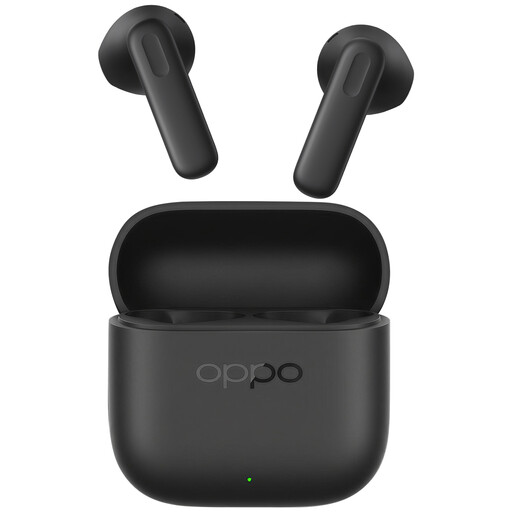
Why it suits this profile: For anyone looking for versatile Bluetooth headphones for commuting, calls, music and light sporting activities without significant impact.
The listing clearly identifies an in-ear design rather than an open-ear model. Do not buy it expecting the same level of ambient-sound awareness as an open-ear headphone.
Bluetooth 5.4, touch controls, USB-C charging, dynamic speaker and compact charging case.
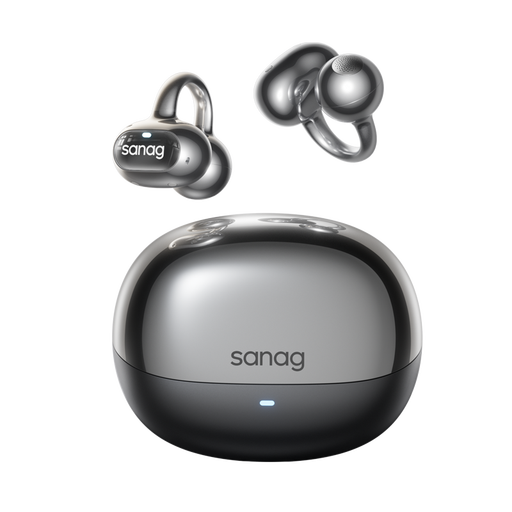
Why it suits this profile: Its over-ear design is aimed at users who do not want to insert an ear tip into the ear canal, whether at the office, on a walk or during a light workout.
The open design is explicitly stated. The listing nevertheless notes that it does not eliminate the risks associated with traffic. Before exposing it to rain, also check its level of moisture protection.
Open clip-on design, touch controls and a fit that does not require insertion into the ear canal. Water-resistance specifications should be confirmed on the product page before ordering.

Why it suits this profile: A model worth considering for running, fitness and outdoor activities when you want to remain aware of some of the sounds around you.
The listing specifies the clip-on fit, open design and intended sports use. It also recommends not submerging the product and remaining alert to traffic.
Open hook-style design, advertised noise reduction for calls and wireless controls. Check the IP rating before using the headphones in the rain.
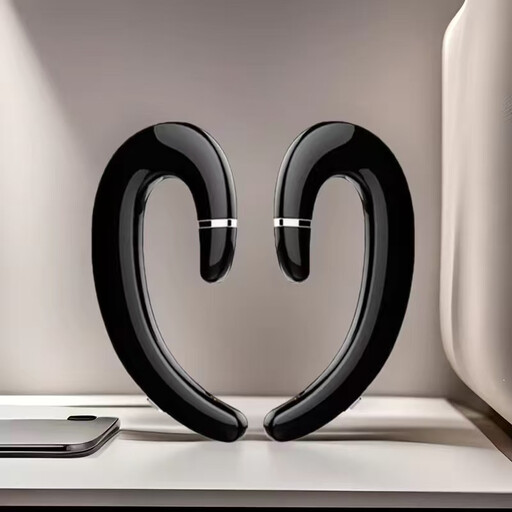
Why it suits this profile: For users looking for ear-hook headphones with touch controls and enough advertised battery life for commuting or workouts lasting several hours.
The listing specifies approximately 5 to 7 hours of battery life, a 60 mAh battery and a maximum range of around 15 metres. These are more concrete reference points than a vague promise of long battery life.
Bluetooth 5.4, touch controls, USB-C port and an ear-hook design suited to fitness and travel.
We have brought together an updated selection of products that meet these selection criteria and the safety requirements applicable in France and the European Union.
They can be, provided they stay securely in place and the volume remains moderate. Test the fit while walking, then while running, before setting out for a long session. When cycling in traffic, awareness of your surroundings must remain the priority: an open design is not a guarantee of safety.
Open-ear headphones generally play sound without fully blocking the ear canal. A bone-conduction headset, depending on its design, transmits vibrations through the areas in contact with the head. “Bone conduction concept” labels found in some listings should be understood as commercial descriptions of the design, not as independent technical evidence.
Recharge them with certified cables and adapters, avoid excessive heat, wipe away sweat after exercising and do not store the headphones in their case while they are still damp. Listen at a reasonable volume and take regular breaks. For products equipped with a lithium-ion battery, stop using them immediately if you notice swelling, unusual heat or an abnormal smell.