
Livraison le jour même ou le lendemain

Qualité garantie

Débloquez vos offres de bienvenue: Livraison GRATUITE | Jusqu'à -80 % | 30 jours d'essai gratuits à JoyPlus
Téléchargez l'application
In-ear headphones, despite their strengths, have their limits: long-term discomfort, a sense of isolation... a disconnection from the outside world that can be risky in the city. Whether you're a safety-conscious athlete, a professional taking back-to-back calls, or simply seeking comfort, open-ear headphones are emerging as an excellent alternative.
The principle is simple: they leave your ear canal completely open so you can enjoy your music or podcasts while remaining fully aware of your surroundings. But with a booming market, how do you navigate the options? This guide is here to help you make sense of it all, decode the technologies, and introduce our selection of the best models currently available.
Before you buy, let's review the key points to ensure you make the right choice.
The term "open-ear" actually covers two main technological families:
For sports use, water and sweat resistance is non-negotiable. For this, there's one key thing to check: the Ingress Protection (IP) rating, which tells you the level of waterproofing.
Battery life is a critical factor, especially for long sports sessions or busy workdays. Be sure to check the battery life of the earbuds themselves, as well as the extra power provided by their charging case. If you're in back-to-back video calls, microphone quality is crucial. Opt for models with multiple microphones and noise-reduction algorithms—the people you're talking to will thank you. Of course, all these models are wireless Bluetooth headphones, ensuring a simple and stable connection with your devices.
Let's get to the specifics with our selection of three models that each excel in their category, from the accomplished athlete to the mobile professional.
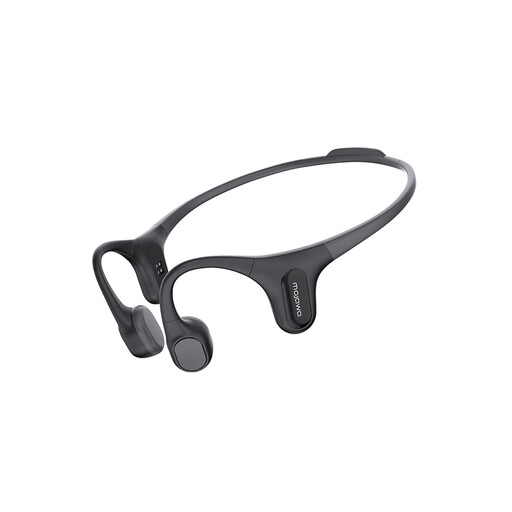
Why this model stands out: The Mojawa RunPlus makes a strong impression with its dual functionality. It's a classic set of Bluetooth bone conduction headphones, but it also integrates a 32GB MP3 player. Paired with its IP68 waterproof certification, it stands out as the ultimate training partner for swimming, completely freeing you from your smartphone.
Highlights:
Who is it for? The obvious choice for swimmers, triathletes, and any athlete who wants to train with music without relying on their phone.
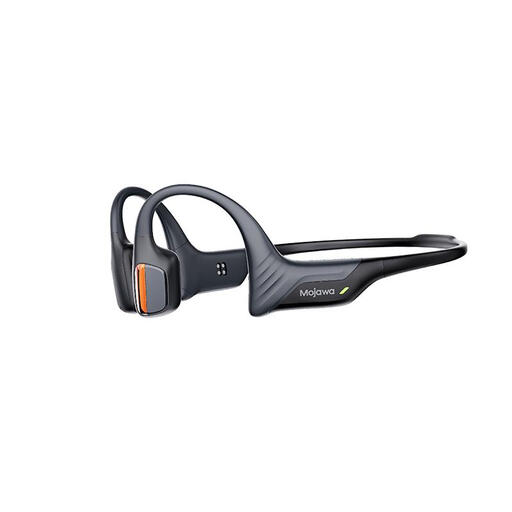
Why this model stands out: The Mojawa Purra Run is a set of bone conduction headphones designed for regular athletes. Certified IP67, it's not afraid of sweat or bad weather. Its ergonomic design was engineered for a flawless fit, whether you're running, cycling, or at the gym, making it excellent safe cycling headphones.
Highlights:
Who is it for? Ideal for runners, cyclists, and fitness enthusiasts looking for reliable, safe, and durable sports headphones for their daily workouts.
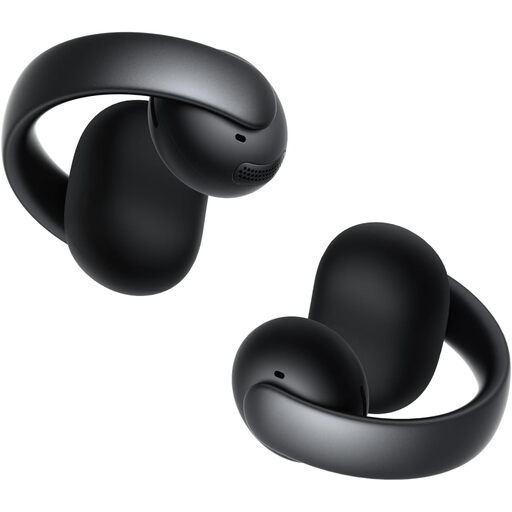
Why this model stands out: The Soundcore AeroClip is a game-changer with its clip-on format. There's no bone conduction here, but rather air conduction via earbuds that rest gently on the ear. The absolute priority is long-term comfort, making them the perfect comfortable headphones for a long workday. Their 4 microphones with AI processing ensure stunning call quality.
Highlights:
Who is it for? The perfect model for remote professionals, call-heavy users, and anyone who can no longer stand in-ear or bone conduction headphones for long periods.
Our selection covers specific use cases, but the "open" audio market is much broader and is constantly evolving. If you don't find what you're looking for here or are simply curious, feel free to explore our full catalogue.
? Explore our safety headphones category to discover more models
Indeed, bone conduction does not put any pressure on the eardrum. However, as with any headphones or earbuds, listening at excessively high volumes for long periods remains dangerous for your hearing. So, moderation is still key!
An IP67 rating means the device can withstand immersion in up to 1 metre of water for 30 minutes. This is more than enough for rain and sweat. The IP68 rating goes a step further, allowing for prolonged immersion under conditions defined by the manufacturer. It's the essential certification for swimming, as seen on the Mojawa RunPlus.
Absolutely. Almost all models include microphones for calls. However, their quality varies greatly. For professional use, opt for a model equipped with multiple mics and good ambient noise reduction, like the Soundcore AeroClip.