
Livraison le jour même ou le lendemain

Qualité garantie

Débloquez vos offres de bienvenue: Livraison GRATUITE | Jusqu'à -80 % | 30 jours d'essai gratuits à JoyPlus
Téléchargez l'application
By the Joybuy Editorial Team, July 17, 2026
Listening to your music or a podcast while running, cycling, or even at the office is a simple pleasure. The problem? Traditional headphones often cut us off from the outside world, which can be a source of discomfort for some and danger for others. If you're looking for a way to stay aware of your surroundings without sacrificing audio quality, open-ear headphones are the perfect solution for you.
Their unique feature: these headphones don't go inside your ears. They offer a perfect balance between sound immersion and situational awareness. This guide breaks down the different technologies on the market and presents a selection of products to help you find the model that's perfectly suited to your activities.
Before you dive in, let's review the few criteria that set different models apart. Here are three essential points to consider to find the perfect audio companion that will never leave your side.
The term "open-ear" primarily covers two major technologies:
If you plan to use your headphones for your workouts, the Ingress Protection (IP) rating is a non-negotiable criterion. It consists of two digits: the first indicates resistance to dust, the second to water.
Battery life is obviously a key point. Most models provide between 6 and 10 hours of listening time, enough to last through several workouts or a full workday.
As for features, it all depends on your use case:
To move from theory to practice, here is a selection of three models that perfectly illustrate the diversity of the market.
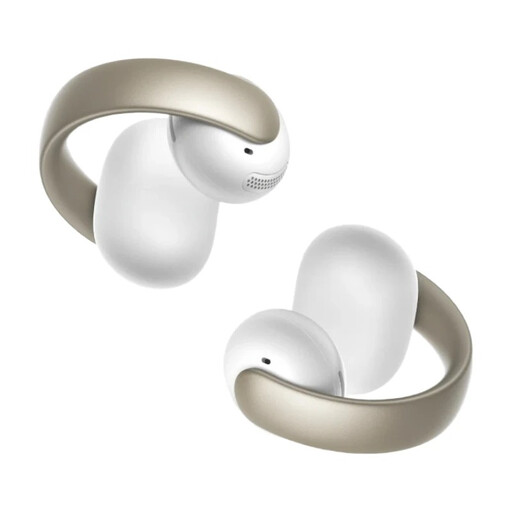
What makes it unique The Soundcore AeroClip uses an air conduction design with a "clip" format that is as original as it is practical. It gently clips onto the ear without applying pressure, making it incredibly comfortable, even for long periods.
Highlights
Who is it for? Commuters, mobile professionals, open-plan office workers, and anyone who finds traditional headphones uncomfortable after several hours.
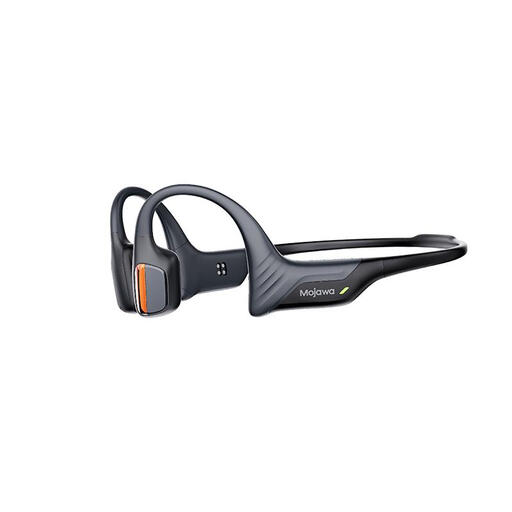
What makes it unique The Mojawa Purra Run is a quintessential bone conduction headset, built for sports. It combines a rock-solid fit, excellent water resistance, and a punchy, bass-rich sound, ideal for staying motivated during your workout.
Highlights
Who is it for? Runners, cyclists, and fitness enthusiasts looking for a robust, safe headset that can keep up with their most demanding workouts.
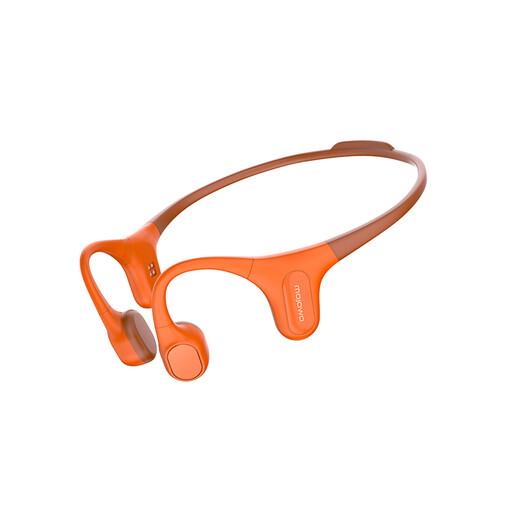
What makes it unique The Mojawa Run Plus takes versatility to the next level. With its IP68 certification and 32 GB of built-in MP3 storage, it's one of the few models on the market truly built for swimming.
Highlights
Who is it for? Swimmers, triathletes, and athletes looking for a single model for all their activities, including in the water. It's the perfect example of what a modern MP3 swimming headphone should be.
This selection is just a glimpse of what open-ear technology has to offer. Each model has its own specific features, and the final choice will ultimately depend on your needs and habits.
If you want to explore other designs, brands, or price ranges, feel free to browse our full catalog.
? Explore our full range of open-ear headphones
1. What's the difference between open-ear and bone conduction headphones?? "Open-ear" is a broad category for headphones that don't block the ear canal. Bone conduction is one of the technologies in this family: it transmits sound through vibrations on the skull bones. Other open-ear models, known as air conduction, simply direct sound towards the ear.
2. Is the sound quality of open-ear headphones comparable to traditional headphones?? For daily listening, podcasts, or background music during sports, the sound quality is more than satisfactory. However, their open design has a trade-off: they can't compete with the isolation and bass depth of closed-back headphones or in-ear models. It's the compromise you make: you sacrifice some pure audio fidelity for gains in safety and comfort.
3. Can I really swim with open-ear headphones?? Yes, but only with models specifically designed for it. For this, you need a model that is IP68 certified and, most importantly, equipped with a built-in MP3 player. Since the Bluetooth signal doesn't travel through water, it's essential for the headset to store music internally so you can listen while swimming.