
Livraison le jour même ou le lendemain

Qualité garantie

Débloquez vos offres de bienvenue: Livraison GRATUITE | Jusqu'à -80 % | 30 jours d'essai gratuits à JoyPlus
Téléchargez l'application
Listening to music without tuning out the world?is a real challenge, whether you're running in the city, cycling, or even at the office. While in-ear headphones are perfect for isolation, they can quickly become uncomfortable and even dangerous by cutting you off from your surroundings. This is precisely where open-ear headphones come in.
This guide is here to help you navigate the options. We'll review the technologies, the criteria that matter, and a selection of models to help you make the right choice for your specific needs.
Before you decide on a model, it's essential to understand what truly sets open-ear headphones apart.
The term '?open-ear?' covers two main technologies with very different approaches:
The Ingress Protection (IP) rating is a standard that defines a device's level of resistance to water and dust. For running, an IP55 rating is more than enough to handle sweat and light rain. However, if you're looking for waterproof headphones for swimming, an IP68 rating is non-negotiable, as it guarantees prolonged immersion.
Battery life is a crucial factor. Be sure to check the listening time provided by the headphones alone, as well as the total endurance with the charging case. Most recent models feature wireless Bluetooth headphone technology for a stable connection and low power consumption. A Bluetooth 5.2 version or higher is a mark of reliability.
Here is our selection of models that stand out from the crowd, each suited for a specific use case.
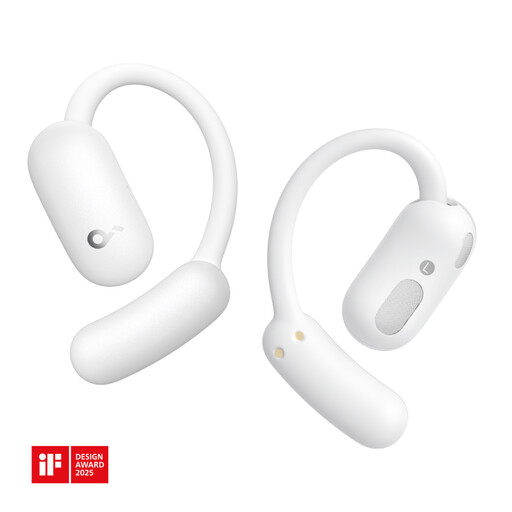
Why it stands out
The Soundcore AeroFit 2 is a directional audio model designed for comfort and versatility. Lightweight and featuring a design that conforms to the ear's contour, they remain unnoticeable for hours, whether for calls, music, or moderate sports sessions.
Pros
Who is it for?
Ideal for remote professionals, urban commuters, and casual athletes looking for a comfortable, reliable, all-in-one solution.
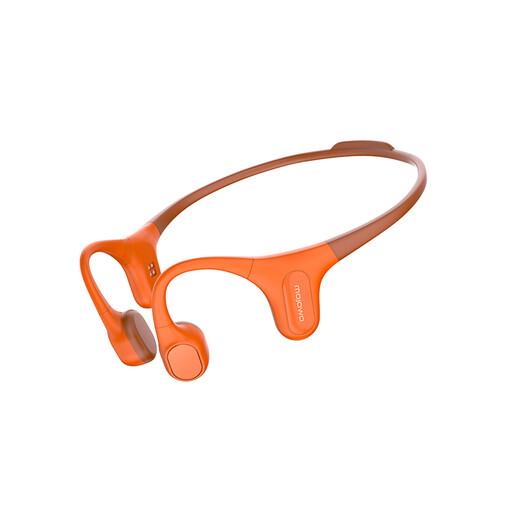
Why it stands out
The Mojawa Run Plus is a true open-ear sports headset that fears nothing. Thanks to its bone conduction technology, IP68 waterproof rating, and built-in MP3 player, it can follow you right into the pool, without even needing your smartphone.
Pros
Who is it for?
For swimmers, triathletes, and runners seeking robust and 100%?standalone audio gear that can keep up with them anywhere, even in the pool.
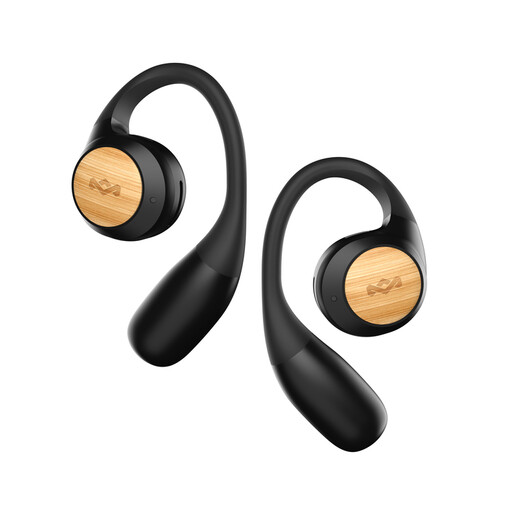
Why it stands out
The Liberate headphones from House of Marley prove that performance can go hand-in-hand with an eco-conscious mindset. Made from sustainable materials like bamboo and recycled plastic, they offer a mindful listening experience without sacrificing style or features.
Pros
Who is it for?
For those who want to combine the practical with the pleasant:?quality sound for daily life, a refined design, and a meaningful purchase, all while staying tuned in to the world around them.
Didn't find the perfect fit in this selection??Don't worry, the options are vast. Explore other models, technologies, and designs to find your ideal pair.
Discover Our Full Range of Open-Ear Headphones
Bone conduction transmits sound through vibrations on the skull bones, leaving the ear canal completely open. Directional audio uses mini-speakers that project sound towards the ear without blocking it. The former is often preferred for intense sports, while the latter excels in everyday comfort.
Absolutely. In fact, that's their main safety advantage. By leaving your ears open, they allow you to hear an approaching car, a horn, or another runner, significantly reducing the risk of accidents.
Definitely not!?This is a crucial point. For swimming, it is imperative to choose a model with an IP68 waterproof rating. Furthermore, since the Bluetooth signal does not travel underwater, it is essential for the headset to have its own built-in MP3 player to store your music.