
Livraison le jour même ou le lendemain

Qualité garantie

Débloquez vos offres de bienvenue: Livraison GRATUITE | Jusqu'à -80 % | 30 jours d'essai gratuits à JoyPlus
Téléchargez l'application
Open-ear headphones are emerging as an increasingly popular alternative for those who want to enjoy their music or podcasts without tuning out the world. Whether for safety in the city, staying aware at the office, or simply for comfort, this technology has a lot to offer.
However, the market is saturated with marketing promises that often lead to disappointment. As the head of buying guides at Joybuy, I'm here to help you cut through the noise. Let's review the pitfalls to avoid and the criteria that truly matter for making the right choice.
Before looking at specific models, it's crucial to know the flaws that often turn a good idea into a bad experience.
To avoid these pitfalls, focus on a few objective technical specifications. These are what truly determine a product's quality and its suitability for your needs.
Most high-performance open-ear headphones use air conduction technology. Unlike bone conduction, which sends vibrations through the bones of your skull, air conduction uses miniature speakers that direct sound precisely towards the ear canal without blocking it. Well-mastered technology ensures excellent listening quality while minimising sound leakage.
The fit is an absolutely critical point. The most reliable models often combine two elements:
If you're looking for headphones for running or any other physical activity, the IP (Ingress Protection) rating is a non-negotiable criterion. It is presented in the format "IPXX".
With these criteria in mind, here are a few models that stand out from the crowd, designed for specific use cases.
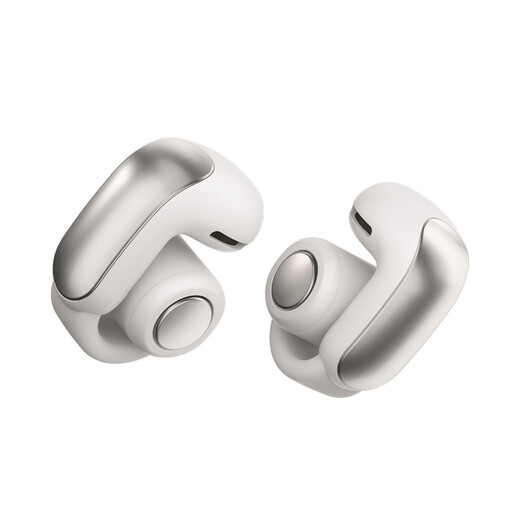
Why they're right for you: For those who refuse to choose between audio quality and the need to stay aware of their environment. The cuff-like design is both discreet and modern, and Bose's immersive audio technology delivers a rich sound experience without ever isolating the user.
Bose's OpenAudio technology directs sound with high precision, drastically limiting sound leakage. Its flexible joint and featherlight weight prevent pressure points, ensuring genuine all-day comfort.
Immersive and personal sound quality. Multipoint connection to easily switch between devices. IPX4 protection rating.
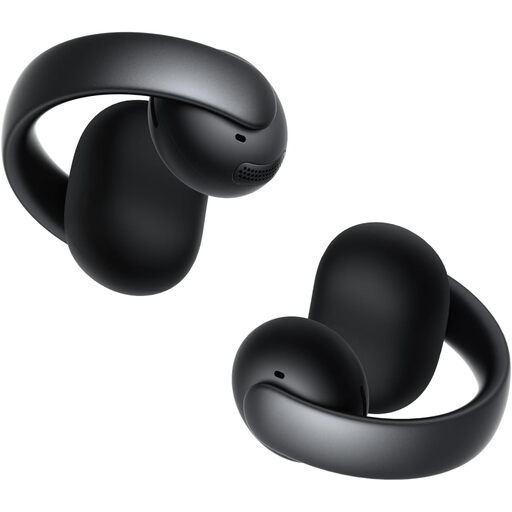
Why they're right for you: Built for action, this model meets the needs of runners, cyclists, and fitness enthusiasts who demand an impeccable fit and sweat resistance. Their design was engineered for maximum comfort, with zero pressure in the ear canal.
They directly tackle the stability pitfall. Their flexible, shape-memory titanium frame conforms to the curve of the ear and ensures a rock-solid fit, even during the most intense workouts. The open design prevents any feeling of discomfort.
Flexible and ultra-stable fit. IP55 rating for water and dust resistance. Directional audio technology to minimise leakage.
We have curated a complete range of products that meet our high standards and comply with all current safety regulations.
Open-ear headphones with air conduction (like the models featured) use mini-speakers to direct sound towards your ear canal without blocking it. The sound quality is often more natural and rich. Bone conduction headphones, on the other hand, transmit sound via vibrations on your jawbones. They leave the ears completely free but can sometimes alter bass fidelity and create a vibration sensation that may be surprising at first.
Yes, provided you choose a model designed for sports. Their stability depends entirely on the design of their fit system. Models like the Soundcore AeroClip use flexible materials and a carefully engineered hook shape to stay in place during exercise, which corrects one of the main flaws of early-generation open-ear headphones.
Battery life varies greatly between models, but most recent options offer between 5 and 8 hours of listening time on a single charge. With their charging case, the total battery life can easily exceed 20 hours. This is more than enough for one or more days of versatile use (office, commute, sports) before needing to recharge the case.