
Livraison le jour même ou le lendemain

Qualité garantie

Débloquez vos offres de bienvenue: Livraison GRATUITE | Jusqu'à -80 % | 30 jours d'essai gratuits à JoyPlus
Téléchargez l'application
Open-ear earbuds are all the rage, and for good reason. Whether for exercising safely or staying aware of your surroundings at the office, they are a compelling alternative to traditional in-ear models. However, the market is flooded with sometimes misleading marketing promises. Before making your choice, it's crucial to avoid a few common pitfalls that could cost you dearly in both comfort and durability.
As a product manager at Joybuy, my mission is to help you navigate this tech jungle. To ensure a successful purchase, here are the three mistakes to avoid and the essential criteria to check.
To make the right choice, focus on the technical specifications that truly matter for your use case.
The choice depends on your priorities.
The IP (Ingress Protection) rating is an international standard that classifies a device's level of protection against solids (first digit) and liquids (second digit). For earbuds, the second digit is crucial.
The shape of the earbuds is crucial for comfort and stability.
Here is our selection of models that meet specific needs, based on the criteria we've just defined.
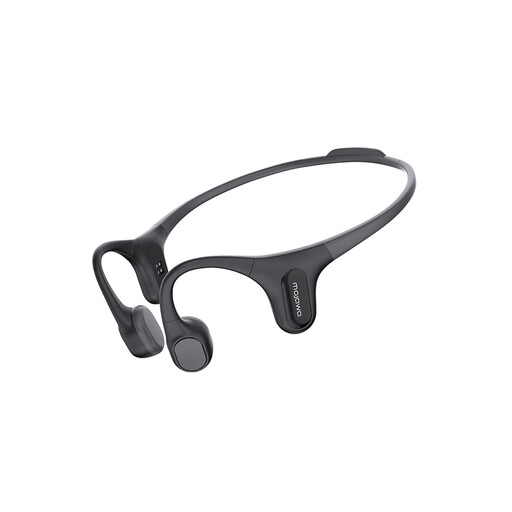
Why this model stands out : Designed for athletes who make no compromises, these headphones are ideal for running, swimming, or cycling. Their bone conduction technology ensures complete environmental awareness, a significant safety advantage outdoors.
Its IP68 rating makes it fully waterproof, going far beyond simple sweat resistance. The neckband design ensures a perfect fit even during the most intense efforts, and it is a true bone conduction headphone.
Built-in 32GB MP3 player for phone-free workouts. IP68 waterproof, suitable for swimming.
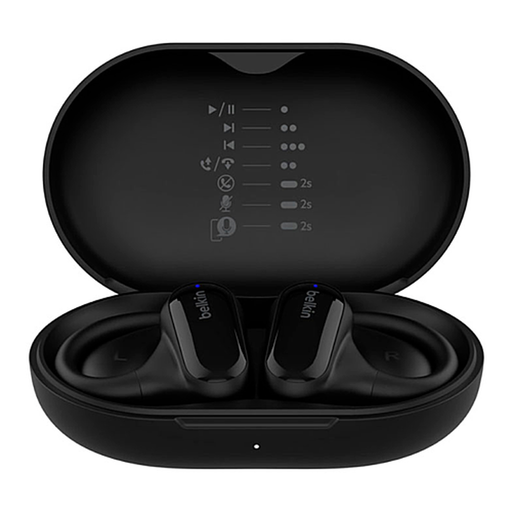
Why this model stands out : Perfect for remote work or open-plan offices, this model allows you to stay aware of colleagues or announcements while listening to music or taking calls. Its comfort is designed to be worn for hours on end.
The IPX5 rating is clearly stated, ideal for daily use and moderate sports activity. The ear-hook design offers a good compromise between a secure fit and ease of use, without overselling extreme stability.
Multipoint Bluetooth connection to easily switch between a computer and a smartphone. Microphones with Environmental Noise Cancellation (ENC) for crystal-clear calls.
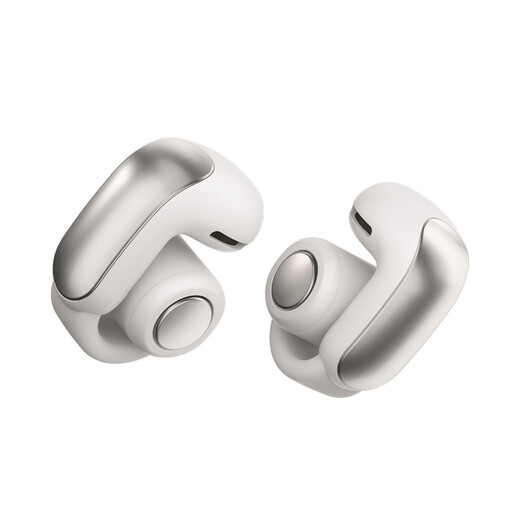
Why this model stands out : For those who refuse to compromise on audio quality but don't want to be cut off from the world, this air conduction model stands out. Its clip-on design is engineered for optimal comfort, even after several hours of listening.
The IPX4 rating is transparently advertised: it resists splashes, but not immersion. The clip-on design focuses on everyday comfort rather than an extreme hold for intense sports.
Bose OpenAudio technology for rich, personal sound without disturbing others. Its flexible and ultra-lightweight design is unnoticeable, with no pressure points.
Discover our full selection of products that meet our strict selection criteria and current safety standards.
It's simple: all bone conduction headphones are open-ear models, but the reverse is not always true. The term "open-ear" encompasses all devices that leave the ear canal unobstructed. This includes bone conduction headphones (which use vibrations) and air conduction earbuds (which use mini-speakers). The choice depends on your priorities: total awareness of your surroundings (bone conduction) or a potentially richer audio performance (air conduction).
Absolutely, that's their main advantage. By leaving your ears open, they allow you to stay alert to traffic noise, cyclists, or other pedestrians. This awareness of your auditory environment drastically reduces the risk of accidents, making them the most recommended solution for sports in urban settings.
The sound experience is simply different. In-ear models, by creating passive isolation, generally offer more powerful bass and better immersion. Open-ear earbuds, by definition, provide a wider and more natural soundstage. Recent technologies have made spectacular progress, but if your absolute priority is sound isolation and booming bass, in-ear models still have the edge.