
Livraison le jour même ou le lendemain

Qualité garantie

Débloquez vos offres de bienvenue: Livraison GRATUITE | Jusqu'à -80 % | 30 jours d'essai gratuits à JoyPlus
Téléchargez l'application
While traditional in-ear earbuds guarantee total sound immersion, they have one major drawback: they isolate you from the outside world. For athletes, city dwellers navigating public transport, or remote professionals, staying aware of your surroundings is often a matter of safety, or even just common sense. This is precisely where open-ear earbuds come into play.
Their concept is as simple as it is ingenious: delivering sound without ever blocking your ear canal. The result: you can enjoy your music or calls while remaining perfectly alert. To help you navigate the ever-growing market, this guide breaks down the key criteria for finding the model that's right for you.
Before you dive in, let's review the key features that truly set these products apart.
The term "open-ear" actually covers two very distinct technologies:
Whether for a long run or a full day of remote work, comfort is non-negotiable. Open-ear sports earbuds must guarantee a rock-solid fit, without slipping at the slightest jolt or drop of sweat. Pay close attention to the design of the neckband or hooks. Lightweight and flexible materials, like titanium or silicone, are generally a guarantee of long-term comfort.
Battery life is a key criterion, whether you're looking for wireless running earbuds or a companion for your workdays. Be sure to check not only the battery life on a single charge but also the extra power provided by the charging case.
As for the IP (Ingress Protection) rating, it measures resistance to water and dust:
To help you make your choice, our editors have selected three flagship models, each tailored to a specific user profile.
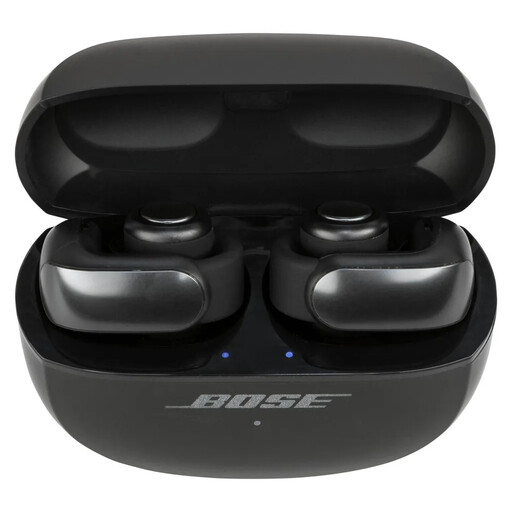
Why they stand out
The Bose Ultra Open Earbuds are immediately striking with their unique cuff-like design that clips gently onto the ear's cartilage. They leverage the brand's OpenAudio air conduction technology to deliver rich sound while keeping you connected to the world around you. Bose even promises enhanced immersion thanks to its Immersive Audio feature, which creates spatial audio.
Advantages
Who are they for? For those who demand premium audio quality and an elegant design for versatile use: at the office, on public transport, or during light workouts.
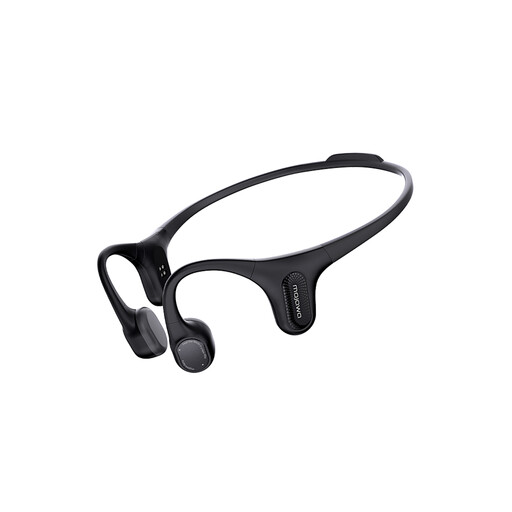
Why it stands out
The Mojawa Aerra is a pure bone conduction product, designed for demanding athletes. Its titanium neckband ensures flawless stability, even during the most intense sessions. Its real strength is its high IP rating, which makes it an ultra-durable training partner.
Advantages
Who is it for? The ideal choice for athletes and outdoor enthusiasts for whom safety, stability, and durability are paramount. Perfect for training in all weather conditions, without compromise.
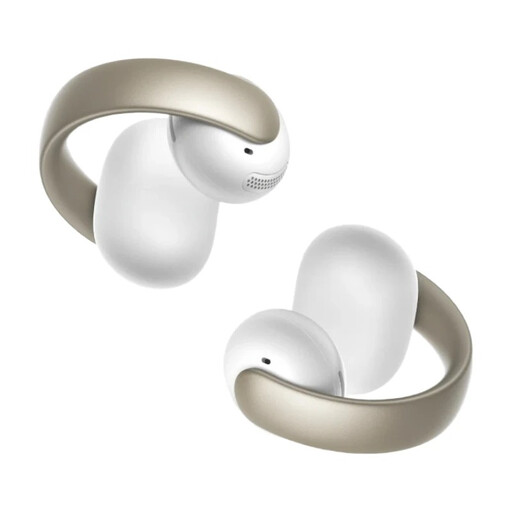
Why it stands out
The Soundcore AeroClip strikes a balance with a comfortable clip-on design and features built for versatility. Designed to be unnoticeable, they are an excellent alternative for those who can no longer stand intrusive models. Anker also focuses heavily on call clarity, with 4 microphones supported by an AI.
Advantages
Who are they for? The perfect all-rounder for those who juggle remote work, commuting, and sports. It's the ideal model if you're looking for earbuds that don't go in your ears, combining all-day comfort with impeccable call quality.
Of course, this selection is just a taste of what the open-ear world has to offer. Design, budget, or specific features might lead you to other gems.
To explore all the possibilities, feel free to browse our full catalogue.
? Explore our full collection of Open-Ear Headphones
You should see bone conduction as a sub-category of the open-ear family. The term "open-ear" includes all devices that leave the ear canal unobstructed. This includes bone conduction models (which work via vibrations) and air conduction models (which use mini-speakers aimed at the ear).
Absolutely, and it's even one of their main strengths. By allowing runners to hear traffic, an approaching bicycle, or other pedestrians, they are a real safety advantage. Furthermore, their design is specifically engineered to resist sweat and stay perfectly in place during exercise.
It's a matter of trade-offs. The sound quality of today's open-ear earbuds is excellent for most uses (music, podcasts, calls). However, by their very nature, their open design can't compete with the passive isolation and bass depth of an in-ear model that seals the ear canal. It all depends on your priority: total immersion or a connection to your environment.