
Livraison le jour même ou le lendemain

Qualité garantie

Débloquez vos offres de bienvenue: Livraison GRATUITE | Jusqu'à -80 % | 30 jours d'essai gratuits à JoyPlus
Téléchargez l'application
Open-ear Bluetooth headphones have won over runners, cyclists, home workers and anyone who wants to listen to music or podcasts without completely shutting themselves off from the outside world. Their key feature is that the ear canal remains unobstructed, unlike with many in-ear headphones.
This design alone is not enough to distinguish the best models from the rest. Before buying open-ear wireless headphones, it is worth keeping three potential pitfalls in mind.
Open-ear headphones deliver sound close to your ear without blocking the ear canal. In a noisy street, the sound may therefore feel less immersive. Conversely, people around you may sometimes hear your music. Directional sound transmission reduces leakage, but does not eliminate it in every situation.
Battery life depends on listening volume, calls, connection type and the audio features you have enabled. A model advertised as lasting several hours may run for considerably less in real-world conditions, particularly when using an immersive mode or having frequent conversations. Check the battery life of the headphones themselves, followed by the additional charge provided by the charging case.
IPX4, IPX5, IPX7 and IP55 ratings do not offer the same levels of protection. Resistance to sweat and splashes does not mean that a product can be submerged. The IP rating does not replace the manufacturer’s recommendations: in particular, avoid pressurised water jets and dry the headphones before storing them.
Clip-on headphones attach around or onto the outer ear, without a tip entering the ear canal. They often reduce the sensation of pressure, but their stability varies depending on the shape of your ears and the intensity of your movements.
For running and workouts, check for:
Bone-conduction headphones are another category. They transmit vibrations through the areas in front of the ear and also allow you to remain aware of your surroundings. However, their musical performance and bass levels can differ considerably from those of open-ear headphones fitted with directional speakers.
For sports use, look for a rating that is clearly stated in the technical specifications. IPX4 is suitable for protection against splashes and sweat, within the limits specified by the manufacturer. IPX5 offers greater resistance to water projections. IPX7 generally corresponds to temporary immersion under specific conditions. Consult the instructions and do not confuse this protection with guaranteed resistance to seawater, chlorine or heat.
Home workers and people who are often on the move should check:
An integrated microphone alone does not guarantee clear voice quality in windy conditions. The result also depends on microphone positioning, software processing and the surrounding environment.
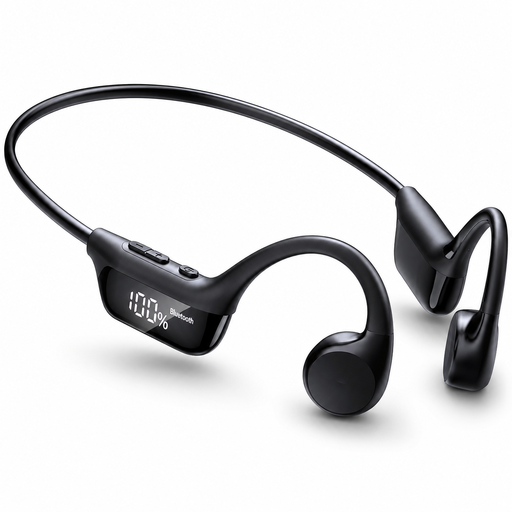
Why this choice suits this profile : This model uses bone-conduction technology, with Bluetooth 6.0, a microphone and advertised battery life of up to 12 hours. An interesting option for discovering listening without in-ear tips.
The product details clearly explain the technology, battery life and advertised IPX7 protection, making them easier to compare with features that are missing or unclear.
Bluetooth 6.0, microphone, advertised 12 hours of battery life and a design made for sports.
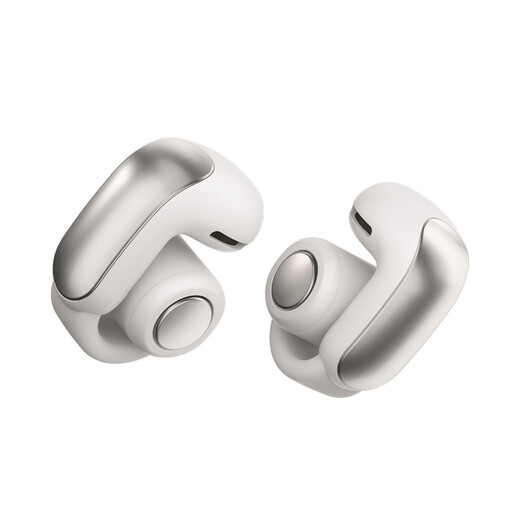
Why this choice suits this profile : Its flexible hinge, touch controls and multipoint connection are ideal for people who regularly switch between their phone and computer while wearing their headphones throughout the day.
Battery life is clearly broken down: up to 7 hours, or 4 hours with immersive audio, plus up to 18 hours from the case.
Multipoint, up to 25 hours of battery life with the case and IPX4 splash resistance.
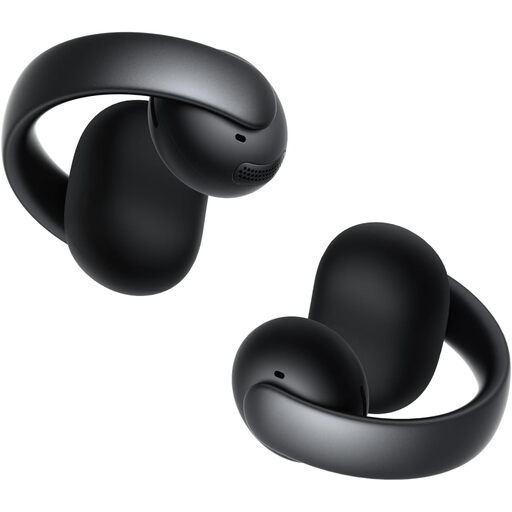
Why this choice suits this profile : This clip-on model combines an open ring, four microphones and advertised IP55 protection. It is designed for users who move between calls, travelling and long listening sessions.
The product details specify the tip-free design, the four microphones and the advertised IP55 standard, rather than making vague or undocumented claims about water resistance.
12 mm speakers, four microphones, flexible construction and USB-C charging.
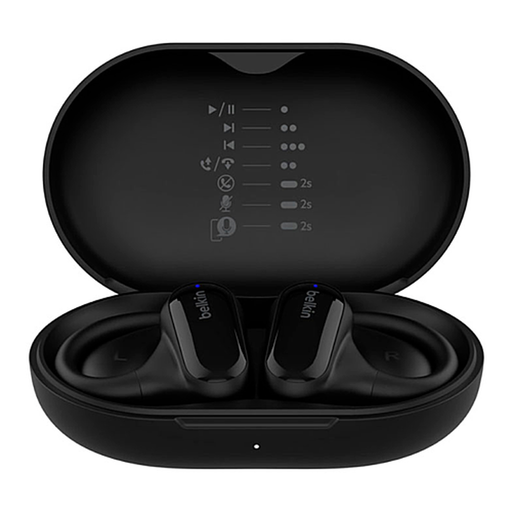
Why this choice suits this profile : The multipoint connection and advertised 26 hours of battery life make it easy to switch between computer meetings, phone calls and workouts.
The figures clearly distinguish the 8 hours provided by the headphones from the 18 hours supplied by the case. Fast charging also promises 60 minutes of listening after just 10 minutes of charging.
Bluetooth 5.3, multipoint, IPX5 rating, microphones with ENC for calls and 14.2 mm speakers.
We have put together a comprehensive, real-time updated selection of products that meet these strict criteria, as well as European safety requirements.
They generally let ambient sounds through more effectively than closed in-ear models. However, you must still remain vigilant, follow the Highway Code and take local regulations into account. Avoid turning the volume up too high and remove them in situations that require maximum awareness of surrounding sounds.
After exercising, wipe the headphones with a soft, dry cloth and allow them to dry before putting them back in their case. Do not immerse them unless the instructions clearly permit it. Also avoid harsh cleaning products, jets of water and direct heat.
It depends on the battery, how often they are recharged, exposure to sweat and knocks. To help preserve your headphones, use a compatible cable, avoid leaving the battery completely flat for a long time and store them in their case. Also check the warranty terms and the information provided by the manufacturer before buying.