
Livraison le jour même ou le lendemain

Qualité garantie

Débloquez vos offres de bienvenue: Livraison GRATUITE | Jusqu'à -80 % | 30 jours d'essai gratuits à JoyPlus
Téléchargez l'application
Running, cycling or working with in-ear earbuds can quickly become uncomfortable, especially when heat and sweat are involved. Open-ear clip-on Bluetooth earbuds for sport offer a different approach: they sit around the ear without completely blocking the ear canal. This means you can enjoy your audio content while remaining more aware of your surroundings.
However, this design is not suitable for every use. Before heading to the checkout, it is worth separating marketing promises from the features that genuinely make a difference in everyday use.
Open-ear Bluetooth headphones let outside sounds through. They therefore cannot isolate the user in the same way as in-ear earbuds with active noise cancellation. The “AI noise reduction” claims found on some models generally relate to calls and microphones, rather than necessarily to listening to music in a noisy environment.
On the Underground or in a busy open-plan office, the sound may therefore feel less immersive. In return, this design is better suited to activities where you need to remain aware of ambient noise.
An IPX4 rating guarantees resistance to splashes, sweat and light rain, as with the Bose Ultra Open. It does not mean that the earbuds can be submerged. Some models offer IPX5 protection, but you should still check the manufacturer’s recommendations and keep the charging case away from moisture.
After a session, wipe the earbuds and allow them to dry before putting them back on charge. Avoid using them in heavy rain if their official protection rating is not clearly stated.
The clip-on design looks simple, but every ear has its own shape. A model that is too loose may move during faster sections; one that is too tight can become uncomfortable after a few hours. Earbuds designed for running should stay firmly in place without applying excessive pressure.
The flexibility of the hinges, the shape of the hook and the weight of each earbud often matter more than an impressive-sounding technology name. Also check that the touch controls are easy to use without having to take out your phone.
Open-ear earbuds sit outside the ear canal. This design reduces the feeling of blocked ears and may suit people who find silicone tips uncomfortable. Suspension or clip-on models do, however, take some getting used to, particularly before setting off on a long run.
The terms wireless bone-conduction earbuds and “bone-conduction concept” should be viewed with a degree of caution. In the Sanag product listings presented here, this refers to a concept combined with an open-ear design; it does not prove that genuine bone-conduction technology is present, or guarantee any particular level of performance.
Start by looking for a clearly stated IP rating, then adapt how you use the earbuds to the actual conditions:
The charging case is often less well protected than the earbuds. Keep it dry, especially when plugging in the USB-C cable.
Advertised battery life is measured under specific conditions. Volume level, calls, audio features and immersive mode can reduce it. The Bose Ultra Open offers up to 7 hours of playback, or up to 4 hours with immersive audio, with up to 18 additional hours via the case.
For use at work, while travelling and during sport, choose a model whose battery life genuinely covers your typical day. Keep the volume at a sensible level and take regular breaks: an open-ear design does not eliminate the risks associated with prolonged listening at high volume.
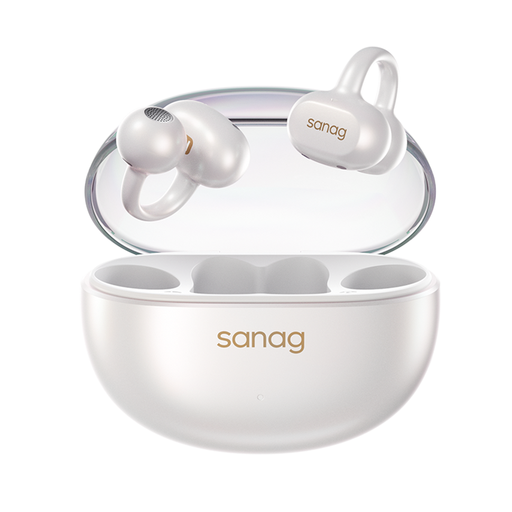
Why this choice suits this profile : Its open clip-on shape and non-inserted fit are well suited to anyone trying sports earbuds for the first time, whether for walking, working at a desk or moderate workouts.
The product details specify that the earbuds do not enter the ear canal and remind users that open-ear listening does not guarantee absolute safety near traffic.
Bluetooth, a clip-on design around the ear and advertised AI-powered noise reduction for calls.
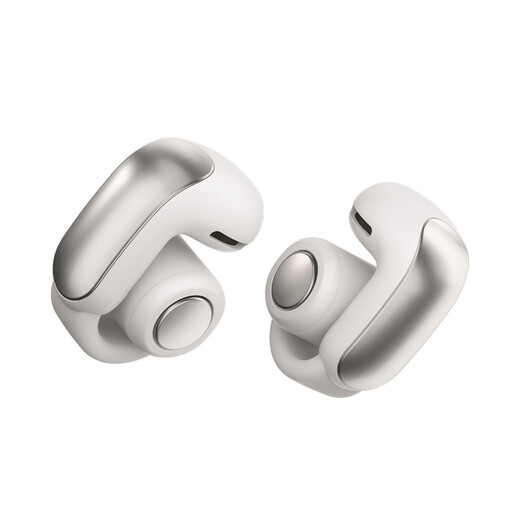
Why this choice suits this profile : This model is aimed at people who switch between gentle exercise, travelling and working across several devices, and who want an open-ear design with a dedicated app.
The IPX4 certification is clearly stated: it sets appropriate expectations for use around sweat and splashes, without suggesting resistance to immersion.
Up to 7 hours of playback, 18 additional hours with the case, touch controls and advertised multipoint connectivity.
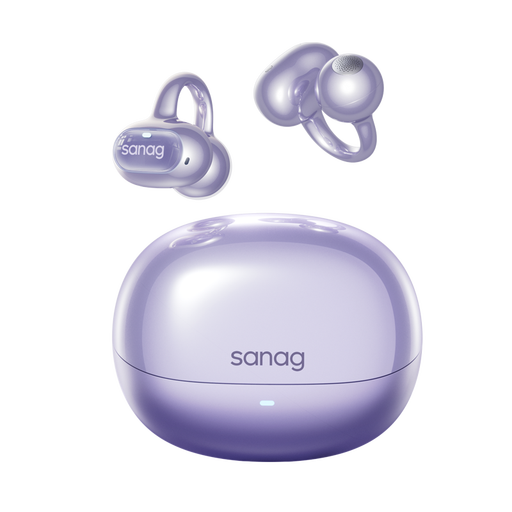
Why this choice suits this profile : Its suspended design around the ear is intended for sports sessions, running and everyday use by people who prefer not to wear in-ear tips.
The product details recommend checking the official IP rating before exposure to rain and remind users not to use the product in situations requiring complete awareness.
Bluetooth, touch controls, open-ear design and AI features mentioned in the product details.
We have put together a complete, real-time-updated selection of products that meet these demanding criteria and European safety standards.
Yes, their design can be suitable for running if the clip stays securely in place and the volume allows you to hear surrounding sounds. Naturally, they do not remove the need for caution near cars, bicycles, junctions or other obstacles. In town, turn the volume down and stay alert.
It depends on how often they are used, the battery, exposure to sweat and how well they are maintained. Avoid excessive heat, standing water and unsuitable chargers. Store the earbuds in their case and clean them with a dry cloth. As with any device fitted with a lithium-ion battery, battery life may gradually decrease with wear.
Comfort depends on your individual ear shape and personal preferences. Open-ear models avoid the pressure of a tip inside the ear canal, but they still make real contact with the ear. When choosing, focus on the weight, clip shape, stability during movement and level of moisture protection, rather than relying solely on the advertising promise.