
Livraison le jour même ou le lendemain

Qualité garantie

Débloquez vos offres de bienvenue: Livraison GRATUITE | Jusqu'à -80 % | 30 jours d'essai gratuits à JoyPlus
Téléchargez l'application
By Joybuy, your product expert Published: August 26, 2026
Letting your taste buds travel without leaving your kitchen has become an accessible pleasure. However, buying ingredients from an online world food store can quickly become a headache. The gap between promising labels and the reality on your plate can be immense. This guide is here to help you navigate this flavourful universe, avoiding disappointment and unnecessary expenses.
Before you fill your cart, let's review a few common pitfalls that can spoil your culinary experience:
To make the right choice, focus on a few objective details. This information, often tucked away on the product page, makes all the difference between a successful purchase and a bitter regret.
Transparency is key. A short, clear ingredient list is often a good sign.
The format of your world cuisine seasoning will depend on your time, your comfort level in the kitchen, and the recipe.
Don't just rely on the "spicy" label. Look for more specific clues to anticipate the taste.
To put theory into practice, here are a few products that check all the boxes, suited for different types of cooks.
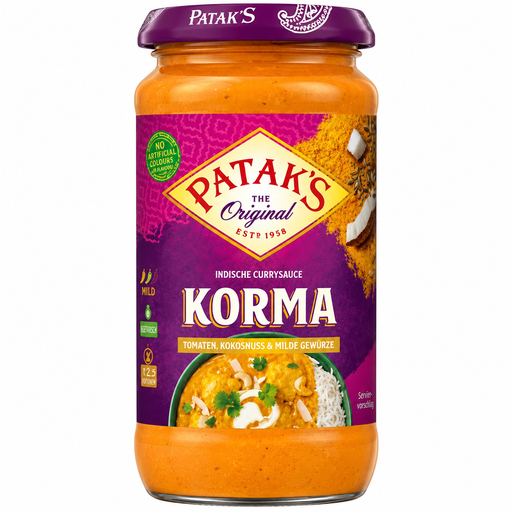
Why it's a great choice: Ideal for a flavourful, hassle-free family meal. This ready-to-use sauce lets you prepare a mild and creamy curry in under 20 minutes, even for beginners.
The "ready-to-use" format eliminates the risk of measurement errors. The "Korma" profile is universally known to be very mild, which prevents any unpleasant surprises regarding heat.
Absolute convenience. The flavour is reliable and balanced, built around coconut cream and mild spices.
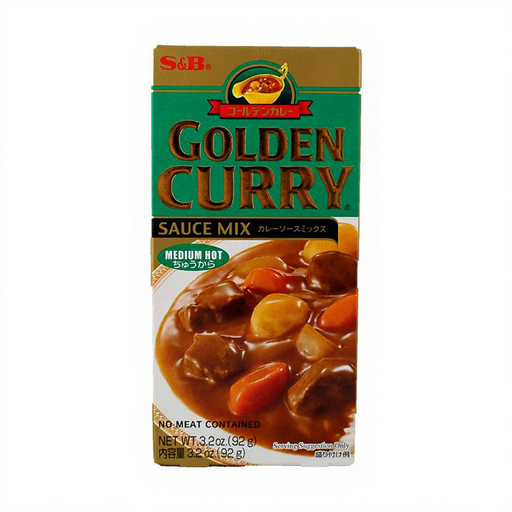
Why it's a great choice: For those who want to recreate the unique taste of Japanese curry. This block format (the famous roux) is the traditional method for achieving a smooth, flavour-rich sauce.
It bypasses the false authenticity trap by using a format (the curry block) that is typical of Japanese cuisine. The "Medium Hot" indication is a reliable benchmark for this brand.
Offers an authentic and complex flavour base, much richer than a simple powder. Easy to portion and incorporate into a simmered dish.
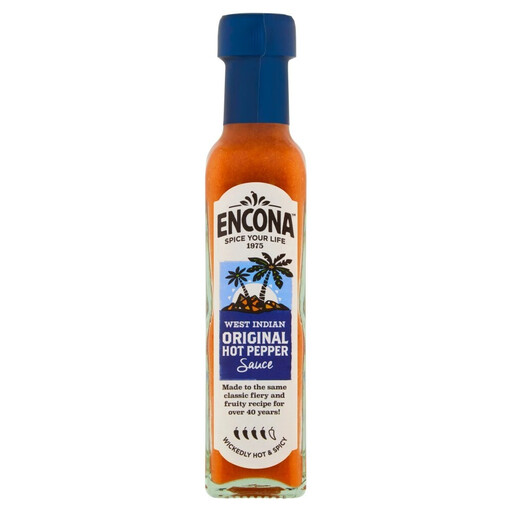
Why it's a great choice: Designed for those seeking a real kick, not just a suggestion of heat. Perfect for electrifying dishes, marinades, or simply as a table condiment.
It avoids the subjective heat trap by clearly listing the chillies used: Habanero and Scotch Bonnet. These varieties are renowned for their potency, guaranteeing an intense and unequivocal heat.
A formidable heat and a flavour profile typical of the Caribbean. The 142ml format is ideal for regular use without going overboard.
We've curated a complete list of products that meet our selection criteria and comply with current regulations.
1. How should I store spices and sauces once opened?
For spice powders, store them away from light, heat, and moisture in an airtight container. For pastes and sauces, put them in the refrigerator. Use them within the timeframe indicated on the packaging (often from a few weeks to a few months) to preserve their freshness.
2. Curry paste, curry powder, curry sauce: what's the difference?
3. Can you trust the "spicy" or "hot" label on the packaging?
It's a good starting point, but it remains very subjective. To be sure, take a look at the ingredient list. The presence of chillies known for their heat (Habanero, Piri-piri, Bird's Eye) or a high percentage of chilli are much more reliable indicators than a simple "hot" label. For Asian products, the heat scales from major brands (like S&B or Ottogi) are generally reliable.