
Same-day & Next-day Delivery

Quality Guaranteed

Unlock Your Welcome Offers: FREE Delivery | Up to 80% OFF | Free 30-day JoyPlus trial
Download the APP
Doing your organic grocery shopping online has become a go-to habit for many households looking to eat healthier and consume more responsibly. However, faced with a plethora of options, finding your way can quickly become a headache. Between marketing promises and confusing labels, it's easy to make a mistake and be disappointed.
This guide gives you the keys to choosing your products wisely, sidestepping the most common traps, and focusing on the criteria that truly matter.
The craze for organic food has caused the number of online stores to explode, but not all are created equal. Here are the pitfalls to be aware of so you don't fall into the trap.
The "Natural" Mirage Without Certification: Many packages are adorned with terms like "natural origin," "green," or "authentic" without having an official organic certification. These claims offer no guarantee about the production method, the absence of synthetic pesticides, or compliance with organic farming standards. The only reliable benchmark remains the presence of recognised logos like the AB (Agriculture Biologique) label or the Euro-leaf.
Overlooking the Ingredient List: A certified organic product is not automatically a healthy product. Some items, especially breakfast cereals or ready-made meals, can be loaded with added sugars, salt, or saturated fats. Remember: the organic label guarantees the production method of the ingredients, not the nutritional quality of the final recipe.
The False Promise of the "All-in-One" Shop: It's rare to find a single online organic store that excels in every category. Some specialise in fresh fruits and vegetables, others in dry goods or organic food supplements. Trying to find a single platform for all your needs, from organic cat food to gluten-free organic products, often means compromising on quality or price.
To make the right choices, focus on a few key criteria that go beyond simple marketing.
The first thing to do on a reliable online organic grocery? Check the transparency of its certifications.
fair trade organic coffee, the Fairtrade/Max Havelaar label also guarantees fair compensation for producers.A careful reading of the composition is essential. For a balanced organic breakfast, for example, opt for organic cereals with the shortest possible ingredient list. Look for whole grains (oats, brown rice, spelt) at the top of the list and keep an eye on the sugar content. A good product is, above all, made from raw, minimally processed ingredients.
Knowing where products come from has become an essential criterion. A reputable online organic grocery shopping platform will mention the origin of its ingredients, whether it's sweetcorn grown in France or coffee from a specific cooperative in Colombia. This transparency is a true sign of trust and commitment.
To put these principles into practice, here are a few options that caught our attention, tailored to specific needs.
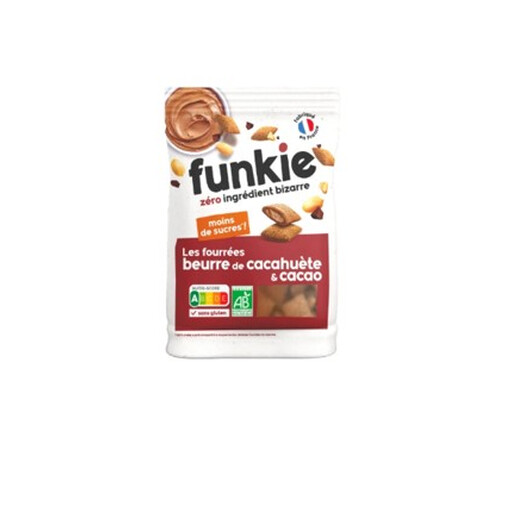
Why it's a great choice: Ideal for a breakfast that's a hit with both kids and parents. It's the perfect alternative to conventional, often sugar-laden cereals, without sacrificing the joy of chocolate.
This product displays a clear organic certification and a transparent ingredient list, with whole-grain rice flour at the top. It sidesteps the trap of "healthy-in-name-only," ultra-processed cereals.
A simple composition with over 50% cereals, a delicious peanut and cocoa filling, and an organic certification.
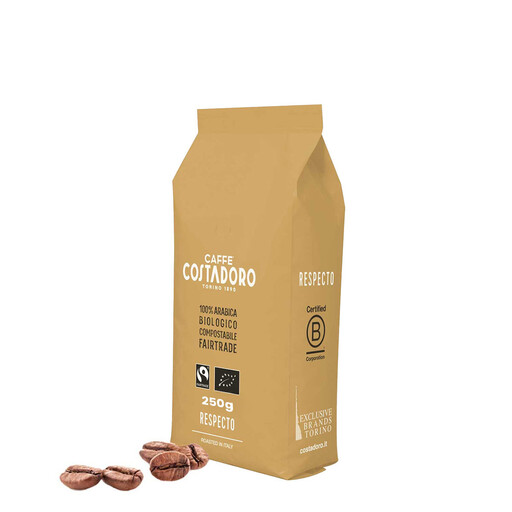
Why it's a great choice: For those who refuse to compromise on taste, quality, and ethics. This 100% Arabica coffee combines traditional Italian roasting with strong commitments.
It avoids the "greenwashing" trap by displaying two clear and verifiable certifications: Organic (Euro-leaf) and Fair Trade (Fairtrade). The transparency is total.
Its dual Organic and Fair Trade certification, combined with 100% Arabica beans sourced from Colombia, Mexico, and Nicaragua.
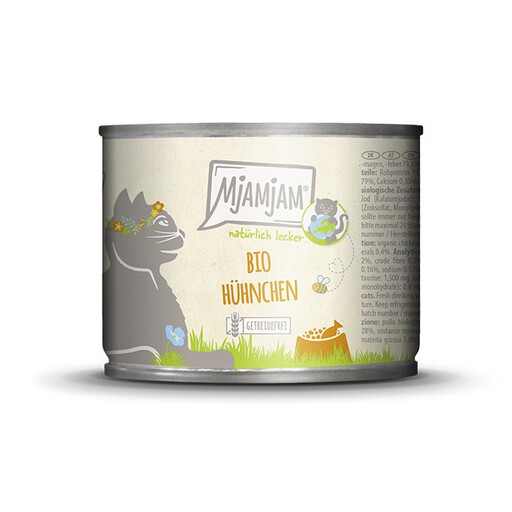
Why it's a great choice: For those who apply their own dietary standards to their four-legged friends. This organic cat food is formulated with the utmost care and a special focus on ingredient quality.
It avoids the trap of unidentified "animal by-products." The composition is crystal clear: 71.6% chicken (meat, heart, stomach, liver) from certified organic farming.
A very high content of clearly identified, certified organic chicken meat in a complete formula with vitamins and taurine.
Discover our complete and updated selection of products that meet our strict selection criteria and current regulations.
How can you be sure about the quality of an online organic grocery store? The number one rule: check for official certifications (Euro-leaf, AB) on the product pages. Don't just rely on marketing claims; read the full ingredient list carefully. A platform that is transparent about the origin of its products is also an excellent indicator of reliability.
Is it easy to find gluten-free organic products online? Yes, most organic food platforms offer filters or dedicated categories for gluten-free organic products. For those with an intolerance or celiac disease, it's still crucial to check for the "gluten-free" claim and the allergen list to rule out any risk of cross-contamination.
Is shopping for organics online more expensive than in a speciality store? Not necessarily; prices can even be very competitive. Online stores reduce certain costs (rent, etc.) and can offer larger formats or regular promotions. Beyond the sticker price, the convenience, time savings, and access to a wider selection represent significant added value. The best approach is to compare based on your usual shopping basket.