
Livraison le jour même ou le lendemain

Qualité garantie

Débloquez vos offres de bienvenue: Livraison GRATUITE | Jusqu'à -80 % | 30 jours d'essai gratuits à JoyPlus
Téléchargez l'application
Diving into world cuisine is an exciting adventure! But finding the right ingredients can quickly become a daunting task. Illegible labels, broken promises, and deceptively inauthentic products... it's easy to get lost. As a Product Expert at Joybuy, my mission is to guide you through the jungle of world food products so you can make the right choices in the kitchen.
Before you fill your cart, let's review the common mistakes that can ruin your culinary experience... and your budget.
To avoid these setbacks, a few simple checks are all it takes. They will ensure you get high-quality world cuisine ingredients perfectly suited for your recipes.
Your first instinct should be to scrutinize the ingredient list. For an international sauce like Korma, look for "coconut cream" or "desiccated coconut," not just "flavourings." For exotic spices, make sure the blend is dominated by actual spices (coriander, turmeric, cumin), not salt or fillers. A short, clear ingredient list is often an excellent sign.
An imported product must list a responsible party or an importer based in the European Union. This information, usually on the back of the package, guarantees that the product complies with the food safety standards in force in the EU. It's a detail that speaks volumes about the distributor's reliability and the product's traceability.
Specialty flours are a perfect example. Glutinous rice flour (or glutinous rice flour) is essential for the chewy texture of Asian desserts, while chickpea flour (or Besan) is key to many dishes and snacks from the Indian grocery aisle. Likewise, Japanese Panko breadcrumbs have a completely different texture from regular breadcrumbs. Pay close attention to these names to achieve a truly authentic result.
To help you see more clearly, here are a few products that tick all the boxes and meet specific needs.
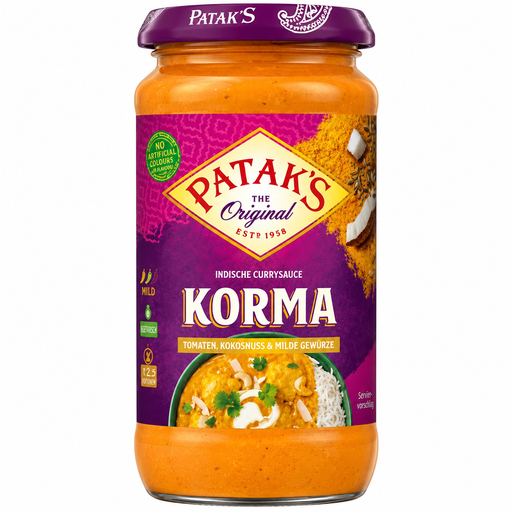
Why we recommend it: Perfect for getting started with Indian cuisine without having to buy a dozen different spices. A simple and flavourful gateway.
Its ingredient list is clear and authentic: it contains real desiccated coconut and cream, avoiding the 'impostor' trap of artificial flavourings.
Ready to use, this mild and creamy sauce guarantees a successful dish in minutes.
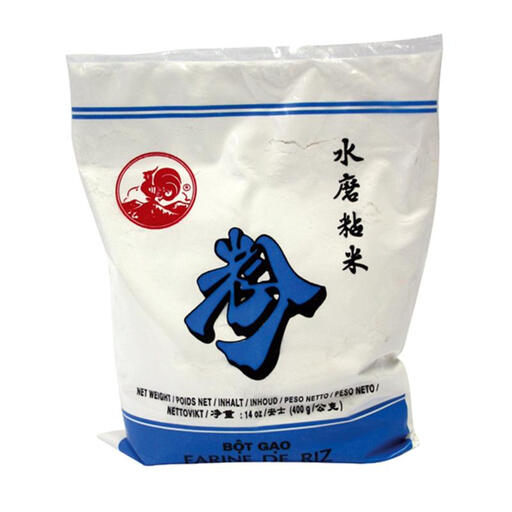
Why we recommend it: Essential for making Asian desserts like mochi, coconut balls, or rice cakes that require that unique chewy texture.
The label clearly states "Glutinous Rice Flour," which removes any ambiguity with standard rice flour. It is a pure ingredient with no additives.
It provides the soft and chewy texture essential for Asian pastries. It's also an excellent gluten-free option.
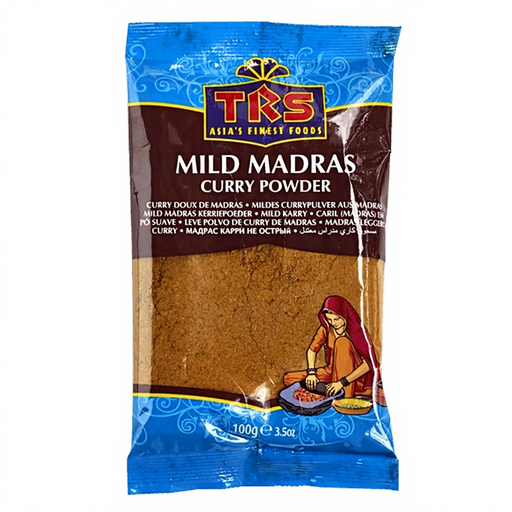
Why we recommend it: Perfect for those who like to control the composition of their dishes. This spice blend is a versatile base for creating your own curries, marinades, or simply enhancing vegetables.
This dry spice blend offers a long shelf life. Its composition (coriander, turmeric, cumin…) is transparent and true to the tradition of Indian groceries.
A balanced and aromatic spice blend that serves as a base for numerous recipes and offers far more flexibility than a ready-made sauce.
We have selected a full range of products that meet our quality criteria and current regulations.
For powdered spices and flours, the secret is to protect them from air, light, and moisture. It's best to transfer them to airtight containers and store them in a cool, dry cupboard. As for pastes (curry, garlic, ginger), once opened, they should be kept in the refrigerator and consumed within the timeframe indicated on the packaging.
Yes, absolutely. Many world cuisines are naturally gluten-free. Flours made from rice, tapioca, chickpea, or cassava (gari) are excellent alternatives to wheat flour. Many sauces and spices are also gluten-free. The rule of thumb is the same: always check the label and the list of allergens.
Although their names are similar, their uses are radically different. Regular rice flour, made from long or medium-grain rice, yields a more crumbly texture, ideal for noodles or certain cakes. Glutinous rice flour (or sweet rice flour) comes from short-grain, sticky rice. When mixed with water, it develops that famous chewy and elastic texture, which is essential for mochi, coconut balls, or Vietnamese rice cakes. Using one in place of the other will lead straight to a culinary disaster