
Livraison le jour même ou le lendemain

Qualité garantie

Débloquez vos offres de bienvenue: Livraison GRATUITE | Jusqu'à -80 % | 30 jours d'essai gratuits à JoyPlus
Téléchargez l'application
Doing your shopping at an online grocery store lets you bring together everyday essentials, gourmet treats and sometimes even small appliances in a single order. The downside? With an avalanche of products to choose from, it’s not always easy to separate the wheat from the chaff. A pretty picture, a highlighted origin or a promise of power isn’t enough to tell you whether the product will really meet your needs.
Before you fill your basket, there are three pitfalls worth paying close attention to.
Words like “intense”, “authentic” or “premium” are often more about marketing spin than objective facts. To compare products properly, it’s better to check their ingredients, net weight, origin, allergens, storage instructions and usage conditions.
When choosing a French wine, for example, look at the appellation, grape variety, alcohol content, serving temperature and suggested food pairings, rather than just the promise on the label.
Frozen products must stay in an unbroken cold chain. Frozen pork ribs and Wagyu beef short ribs, for instance, should generally be kept at –18 °C or below. Also remember to check how much space you have in your freezer, and never refreeze a product that has been defrosted.
Chocolate, on the other hand, prefers a cool, dry place away from temperature fluctuations that can alter its texture. A milk chocolate bar, a Côte d'Or chocolate or a hazelnut recipe may also contain milk, soya, wheat or other nuts.
For a robot vacuum and mop, the suction power expressed in pascals doesn’t tell the whole story. The quality of navigation, obstacle detection, brush maintenance, tank capacity and mop drying all play a major role in everyday use.
A model packed with features can even turn out to be less practical if its app is fiddly to set up or if its consumables are hard to find and replace.
Take the time to read the ingredient list, especially if you’re buying for several people. Products containing nuts, milk, soya, sesame or gluten should be clearly labelled.
To compare different chocolates, look at the proportion of hazelnuts, raisins or biscuit, as well as the nutritional values per 100 g. As a guide, the bars featured here range between 518 and 555 kcal per 100 g, depending on the recipe. These figures help you compare products, but they don’t replace advice tailored to your individual needs.
A large format is only worthwhile if it matches your consumption and the space you have to store it. A 1 kg pack of pork ribs will be more suitable for several meals or for portioning out. Conversely, a 30 g chocolate bar might be just right for a one-off treat.
For Cantonese dim sum and frozen Asian dishes, check the number of portions, cooking time and whether you need to defrost the product before preparing it.
Meat must be cooked thoroughly. Pork spare ribs in black bean sauce, for example, should be steamed for around 15 to 20 minutes without defrosting, according to the product instructions. Thin pork ribs can be used in a soup, a stew or a stir-fry, after complete defrosting if required.
For wine, check for the presence of sulphites, the serving temperature and the alcohol content. Alcohol consumption is not recommended during pregnancy.
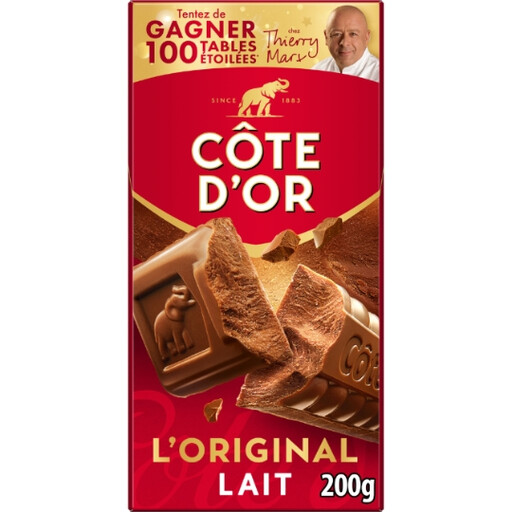
Why this choice suits this profile: A 200 g bar, ready to enjoy, for a simple introduction to milk chocolate without a long list of ingredients.
The ingredients and nutritional values are given per 100 g, making it easy to compare with other bars.
A milk chocolate recipe, ready to eat, to be stored in a cool, dry place.
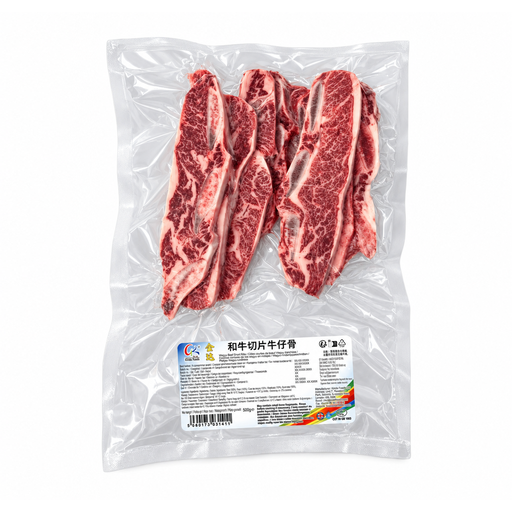
Why this choice suits this profile: These thick-cut British Wagyu beef pieces are ideal for barbecuing, pan-frying, grilling or roasting.
The size, British origin, bone-in cut and storage at –18 °C or below are all clearly stated.
A meat described as 100 % British Wagyu, packed in 500 g and versatile enough for various cooking methods.

Why this choice suits this profile: Its all-in-one station, laser navigation and self-cleaning features are designed for households that want to minimise daily intervention.
The product page specifies the advertised suction power of 8,150 Pa, obstacle recognition, hot air drying and maintenance instructions.
Vacuuming, mopping, dust bin emptying, mop cleaning and drying are all combined in a single station.
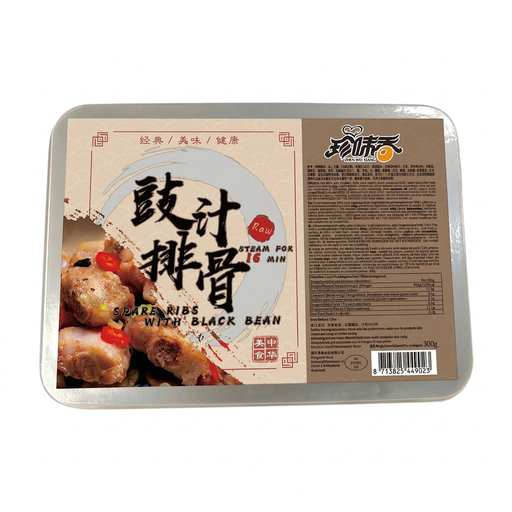
Why this choice suits this profile: This product lets you quickly prepare Cantonese-style pork spare ribs coated in a black bean sauce.
The cooking method, allergens and storage at –18 °C or below are all clearly stated.
A 300 g portion, steamed preparation in 15 to 20 minutes and a flavour profile inspired by Cantonese dim sum.
Put them straight into a freezer set to –18 °C or below. Check that the packaging is intact and respect the date on the label. A defrosted product must not be refrozen unless the manufacturer explicitly says so.
The unit price alone isn’t enough for a fair comparison. Take into account the net weight, delivery charges, any promotions and the number of portions. Grouping several categories together — red wine, rosé wine, sweet white wine, chocolate and frozen dishes — can also help you avoid placing multiple orders.
Start with the dish and the serving temperature. A red wine such as a Côtes-du-Rhône will pair nicely with red meat or a spicy recipe. A Provence rosé is best served well chilled. A sweet white wine, like Domaine Tariquet Côtes de Gascogne Premières Grives, can be enjoyed as an aperitif and goes well with certain cheeses or a fruity dessert. Always check the appellation, alcohol content and presence of sulphites on the product page.