
Livraison le jour même ou le lendemain

Qualité garantie

Débloquez vos offres de bienvenue: Livraison GRATUITE | Jusqu'à -80 % | 30 jours d'essai gratuits à JoyPlus
Téléchargez l'application
Online Asian grocery stores have revolutionised how we cook and discover new flavours. Gone are the days when finding authentic Asian products was a challenging quest in the city centre. But this convenience hides a few pitfalls that can quickly turn excitement into disappointment.
Products that don't meet expectations, vague descriptions, misleading photos… too many shoppers fall victim to these issues. We'll detail the mistakes to avoid so you can shop with peace of mind.
Ordering from an online Chinese supermarket or finding Korean food should be a pleasure. By keeping an eye on a few key points, you can ensure the quality and compliance of your products.
A few simple checks are all it takes to avoid disappointment. Here are the three things to systematically verify on a product page before clicking "Add to Basket".
European regulations are strict: labelling must be crystal clear. A proper product page lists all ingredients and highlights common allergens (gluten, soy, peanuts, etc.).
Never trust the photo alone. The only reliable information is the net weight (indicated in grams or kilograms) or the net volume (in millilitres or litres). This mandatory data is your best tool for comparing price per kilo and avoiding paying for packaging at the price of the product. A bag of Japanese snacks might look huge in a photo but weigh only 45g.
Origin is often a sign of authenticity. Looking for the famous Lao Gan Ma sauce? The "Made in China" label is reassuring. The same goes for spicy ramen: Korean origin is a key criterion for purists.
The best-before date (BBD), or "Best before...", is just as crucial. A reputable online Asian grocery store will display it clearly or guarantee a distant BBD upon delivery. This ensures you won't receive a product close to its expiration date.
To guide you through this jungle of Asian products, we've unearthed some gems for different tastes. Each product has been selected for its transparent technical sheet and, of course, for its flavour.
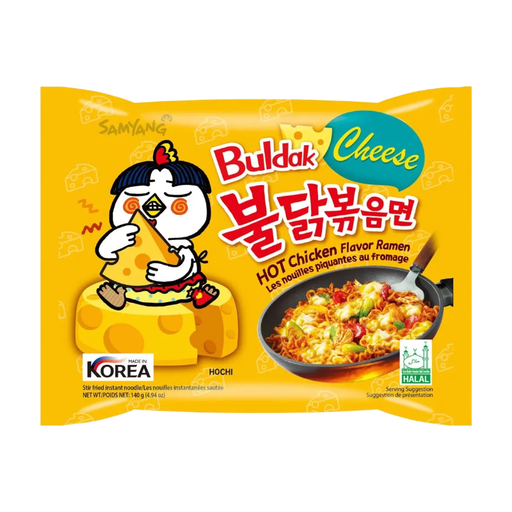
Why it's a perfect match: A must-have for anyone taking on the "Spicy Noodle Challenge". The combination of the fiery heat from the famous Samyang Buldak noodles and the creaminess of cheese creates an experience that's as intense as it is memorable.
The product page is a model of clarity: ingredients, allergens (wheat, soy, sesame), and nutritional values are all detailed. No room for ambiguity.
An iconic and explosive flavour. Ready in minutes for a quick meal with a kick.
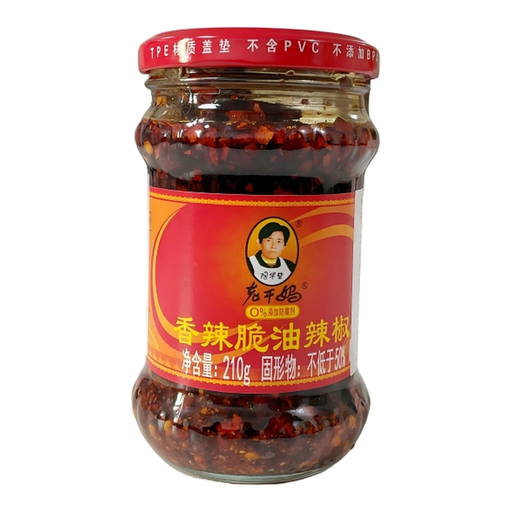
Why it's a perfect match: For those who love to elevate their dishes with a touch of authenticity. This Chinese condiment is incredibly versatile: it enhances rice, noodles, eggs, and vegetables with its addictive crunch and umami flavour.
The net weight of 210 g is clearly displayed, making it impossible to be mistaken about the jar's size. The brand's reputation is a safeguard against low-quality imitations.
A unique crispy texture thanks to fried chillies and peanuts. A single jar can transform dozens of everyday meals.
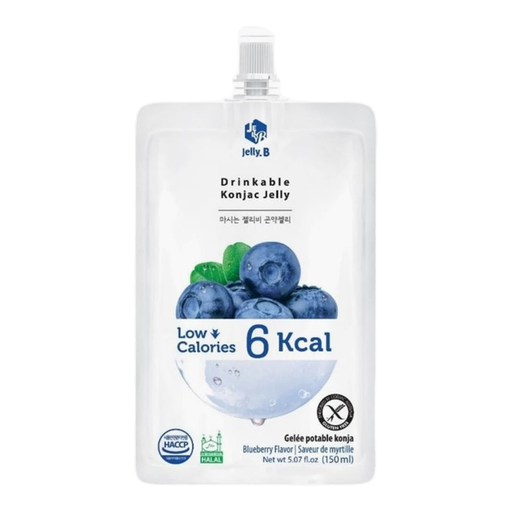
Why it's a perfect match: The ultimate guilt-free gourmet break. This Korean konjac jelly is a fresh and ultra-light alternative (barely 2 kcal per 100 ml!) to classic sugary snacks.
The product page is fully transparent, clearly displaying its sugar-free composition and near-zero calorie count. This is key information that is often hidden on other snacks.
Its pouch format is ultra-convenient for on-the-go. Its unique and satisfying texture curbs small cravings.
Discover our full selection of products that meet our quality criteria and current regulations.
Dry goods (noodles, seaweed, snacks) should be kept in an airtight container, away from light and moisture. For sauces, condiments (like Lao Gan Ma), and pastes (miso, gochujang), refrigerate them after opening to preserve their freshness. The best advice is always to follow the instructions on the packaging.
No, that's a common misconception! While Korean food is famous for its heat, especially with the renowned Samyang Buldak noodles, there is an infinite variety of milder instant noodles. Japanese udon, for example, is enjoyed in flavourful but not spicy broths. Most brands offer non-spicy versions with chicken, vegetable, or beef flavours.
Absolutely. Asian cuisine heavily features plant-based ingredients. You can easily find rice or wheat noodles, soy sauces, tofu in all its forms, fermented vegetables (kimchi), edamame, and even snacks like Latiao (made from wheat gluten). The rule of thumb: always check the ingredient list to look for hidden animal products (fish sauce, pork broth, etc.).