
Livraison le jour même ou le lendemain

Qualité garantie

Débloquez vos offres de bienvenue: Livraison GRATUITE | Jusqu'à -80 % | 30 jours d'essai gratuits à JoyPlus
Téléchargez l'application
Who hasn't dreamed of recreating the flavours of a creamy Japanese curry or a fragrant Thai soup at home? But venturing into an online Asian grocery store can quickly turn into a headache. Between promises of authenticity and a jungle of products, disappointment is often just a click away.
To ensure your culinary adventure doesn't end in frustration, here are the common pitfalls to avoid before you check out.
Fortunately, a few smart reflexes are all it takes to avoid these traps.
To cook Asian food like a pro, focus on these key points. It's the best way to guarantee a successful purchase and dishes that live up to your expectations.
True authenticity is found on the label. For Thai cooking ingredients, for example, a list detailing the presence of lemongrass, galangal, or kaffir lime leaf is a much more reliable sign of quality than a vague "spice blend." The same goes for a Japanese curry: the mention of a roux base (flour and fat) and fruit purée (like apple) reveals a traditional recipe. The product's origin is also a clue, although many quality brands now manufacture their products outside their home country while scrupulously respecting traditional recipes.
Your choice will depend on the time and energy you want to spend in the kitchen.
For an appliance like an electric meat grinder, don't be fooled by the design. Check the motor's power: this dictates its ability to grind tougher cuts of meat. Opt for stainless steel components, a guarantee of durability and hygiene. Finally, take a look at the included accessories: multiple grinding plates (fine, medium, coarse) and attachments for sausages or kibbeh dramatically increase its versatility.
To guide you, here is our selection of products that tick all the boxes, for every type of cook.
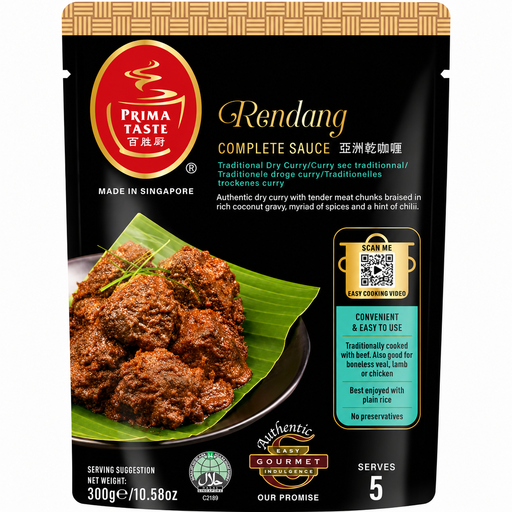
Our take: This sauce lets you prepare beef rendang, a complex Indonesian dish, in record time. It delivers a rich, deep flavour without the hours of simmering and the long shopping list that usually come with it.
It sidesteps the false authenticity trap with a precise ingredient list (galangal, lemongrass, candlenut) and the inclusion of powdered coconut milk, which ensures a texture and taste true to the original.
An all-in-one sauce that radically simplifies a notoriously difficult dish. The result is consistently delicious.
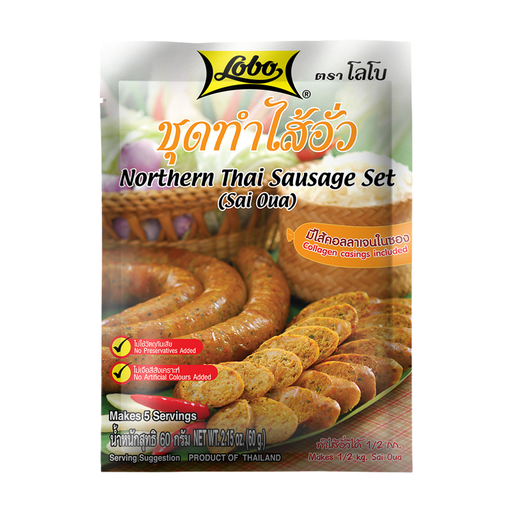
Our take: For those who want to tackle a highly specific regional specialty. This kit allows you to make "Sai Oua," a fragrant sausage from Northern Thailand. It's an experience that's nearly impossible to attempt without a guide.
It solves the "ready-made vs. homemade" dilemma by providing the complex spice blend and collagen casing. All you need to do is buy the meat, giving you full control over the quality of the main ingredient.
A clever kit that makes a niche recipe accessible to everyone, for a guided and truly rewarding culinary experience.

Our take: For those who demand total control over the freshness and composition of their dishes, from homemade sausages and stuffings to burgers. This appliance has the power and versatility they need.
It avoids the gimmicky appliance trap thanks to its robust stainless steel construction, powerful motor, and comprehensive accessories (3 grinding plates, sausage and kibbeh kits), ensuring performance and durability.
A versatile and heavy-duty appliance that opens the door to numerous homemade preparations, from local charcuterie to Middle Eastern specialties.
Discover our full selection of products that meet our quality criteria and comply with current regulations.
A curry paste is a concentrate of spices and aromatics. You need to fry it in a fat (like oil or coconut cream) before adding liquid (coconut milk, broth), vegetables, and protein. It gives you the freedom to adjust the dish's intensity and consistency. A ready-to-use sauce, on the other hand, is already liquid and seasoned. You just need to heat it with your ingredients. It's the quickest solution, but also the least flexible.
Once opened, most jarred pastes and sauces can be stored in the refrigerator with the lid tightly closed. To extend the freshness of certain pastes (like curry pastes), you can pour a thin layer of oil on the surface to prevent oxidation. Always refer to the "use by" date after opening indicated on the packaging (usually from a few weeks to a few months).
Not necessarily! A good frying pan or skillet is sufficient for most recipes. A wok is a plus for high-heat stir-frying, but it's not essential to get started. More specific appliances like a rice cooker or an electric meat grinder become relevant if Asian cooking becomes a regular habit and you're looking to improve authenticity and quality.