
Livraison le jour même ou le lendemain

Qualité garantie

Débloquez vos offres de bienvenue: Livraison GRATUITE | Jusqu'à -80 % | 30 jours d'essai gratuits à JoyPlus
Téléchargez l'application
Shopping at an online Asian grocery lets you discover Korean, Japanese or Chinese specialities without having to visit specialist shops. But with such a vast range on offer, it’s not always easy to know where to start. Between the promises around probiotics, bulk packaging and multi-function appliances, certain details can easily slip under the radar.
Here are the main pitfalls to avoid and the criteria to check before ordering Asian food products, fermented drinks or equipment for home cooking.
Terms like “probiotic”, “sugar-free” or “natural” aren’t enough to compare two products. Take the time to check the full ingredients list, the net quantity, the nutritional values and the storage instructions.
A drink might, for example, be sweetened with erythritol and steviol glycosides while still containing live cultures. That doesn’t necessarily mean it’s suitable for all diets or that it has any medicinal effect. Health claims should be treated with caution and verified against the labelling applicable in the European Union.
A frozen Korean kimbap doesn’t keep like a dry snack. It must stay at –18 °C or below, then be prepared according to the instructions on the packaging. Once thawed, it must never be refrozen.
Conversely, products like gochujang, instant dry yeast or probiotic gummies are generally fine stored in a cool, dry place. After opening, reseal their packaging carefully.
A yoghurt maker or a multi-function electric pressure cooker might seem very practical, but its capacity and accessories largely determine how useful it is day to day. An 8-litre appliance naturally takes up more space than a yoghurt maker with 7 pots. You also need to allow for a suitable power socket, a stable work surface and space to store the pots, lids and other accessories.
For Asian food products, check in particular for the presence of soya, gluten, sesame, milk or tree nuts. Sempio gochujang contains soya and wheat-derived ingredients. The vegetable kimbap shown also contains gluten, soya and sesame, even though its product page states it is suitable for vegetarian and vegan diets.
For Korean snacks, also remember to compare:
Yoghurt-flavoured gummies are easy to slip into a bag, but they remain confectionery containing glucose syrup and sugar. Their presentation should not be confused with that of a food supplement.
A one-litre bottle of kombucha is better suited to drinking at home than on the go. The NEXBA Elderberry & Lemon Kombucha and NEXBA Mixed Berry Kombucha are described as being storable at room temperature. Their product pages indicate the presence of oolong tea, live cultures and around 2 kcal per 100 g. Always check the label on the product you receive: the information on that label is what counts for composition and storage.
For instant dry yeast, a 15 g sachet is fine for small batches of bread, brioches or pizzas. A pack of two sachets can be more convenient if you cook regularly, as long as you reseal the opened sachet properly and protect it from moisture.
For a yoghurt maker, check the number and volume of the pots, the programming duration and compatibility with different types of milk. A model with a cheese-making function should also provide suitable containers or strainers for preparing fresh cheeses.
For a pressure cooker, look at the capacity, the available programmes, the keep-warm function and the steam instructions. Never force the lid open when it is under pressure. Also be careful not to exceed the “MAX” or “1/2” marks for foods that expand during cooking, such as pulses and grains.
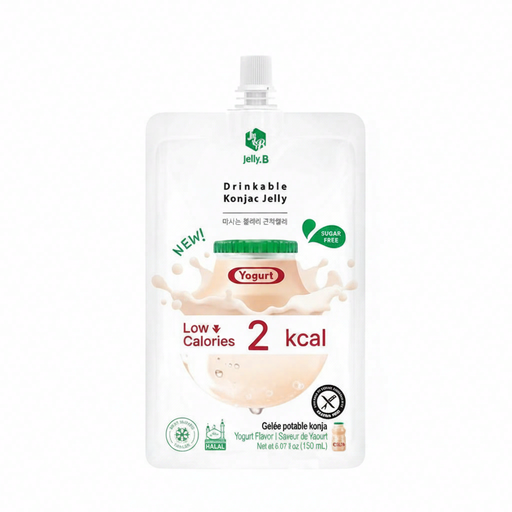
Why this choice suits this profile: With its small 150 ml format, this product is ideal for a first try or a snack on the go, without committing to a large pack.
The product page describes it as a jelly drink with a yoghurt flavour and 2 kcal. However, it is still essential to check its composition and storage instructions before consuming it.
A single-serve 150 ml format with a drinkable jelly texture.
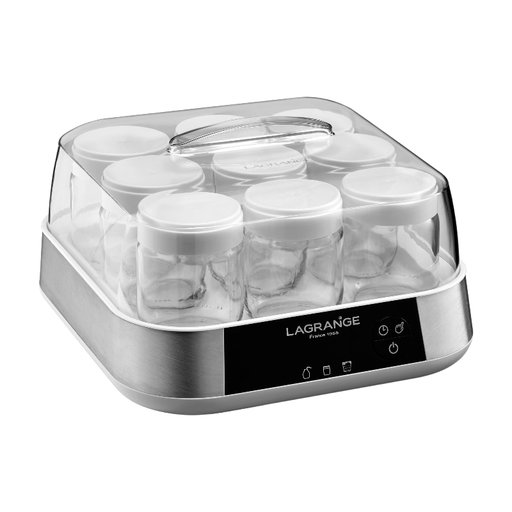
Why this choice suits this profile: It is designed for households that want to make classic yoghurts, drinking yoghurts and fresh cheeses using a single appliance.
Its three programmes and programming up to 25 hours mean you don’t have to guess the fermentation time.
9 pots of 220 ml, 4 cheese containers and automatic shut-off.

Why this choice suits this profile: Its large pot is ideal for family meals and a wide range of preparations, from rice to stews and even yoghurts.
Its 12 pre-set programmes and safety instructions make it clearer to use than an appliance limited to a single function.
An 8 L capacity, 1,200 W power and nine advertised functions.
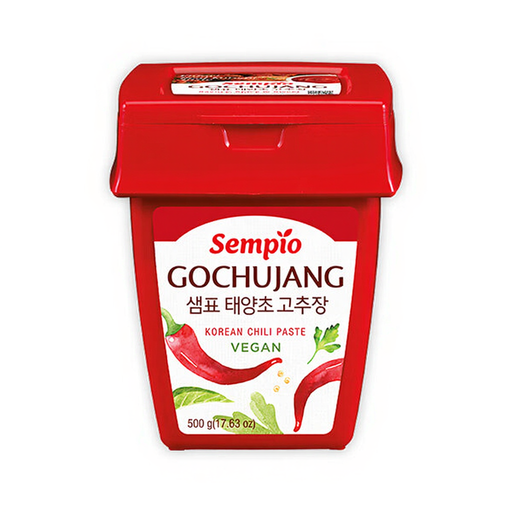
Why this choice suits this profile: This spicy paste works well with bibimbap, marinades, sauces and home-cooked rice dishes alike.
The ingredients list and allergens can be checked before purchase, particularly for soya and gluten.
A format suitable for many recipes, with a tablespoon dosage indicated on the product page.
We have put together a comprehensive list, updated in real time, of products that meet these demanding selection criteria and European safety regulations.
Begin with items that are easy to use and store: gochujang, instant dry yeast, Korean snacks or bottled kombucha. Check the allergens, spice level, format and storage conditions first. If you want to prepare several recipes, you can then add a pressure cooker or yoghurt maker to your kit.
It depends entirely on the product. Before opening, kombucha can sometimes be stored at room temperature, whereas kimbap must stay in the freezer. After opening, follow the instructions on the label, reseal the packaging carefully and respect the date shown. Do not consume any product whose packaging is swollen or damaged, or whose appearance or smell has changed.
It can reduce the need to buy individual portions if you regularly make your own yoghurts at home. However, the cost-effectiveness depends on the price of milk, starter cultures, electricity and how often you use it. A 7-pot yoghurt maker is sufficient for everyday use, while a model with a cheese-making function will cater to more varied tastes.