
Livraison le jour même ou le lendemain

Qualité garantie

Débloquez vos offres de bienvenue: Livraison GRATUITE | Jusqu'à -80 % | 30 jours d'essai gratuits à JoyPlus
Téléchargez l'application
Asian cuisine is more popular than ever, that's a fact. But finding the right ingredients to replicate its authentic flavours can often be an uphill battle. Navigating an online Asian grocery store without a guide means you risk filling your cart with disappointing products.
This guide is designed to give you the keys to choosing genuine Asian food products and avoiding the pitfalls that can leave your dishes bland... and your wallet lighter.
Before you check out, watch out for these common mistakes that can turn your culinary journey into a disappointment.
To be sure of the quality and authenticity of your ingredients, keep these key points in mind before you head to the checkout.
A product's authenticity lies in its composition. Don't just trust the name or the packaging.
The origin is also an excellent indicator. A product made in its country of origin is far more likely to follow the traditional recipe.
A good online Asian grocery is recognisable by the richness of its catalogue. If you're passionate about a specific cuisine, look for a site that offers a curated selection for that region. For example, for Korean cuisine, the shop should offer not only kimchi but also different kinds of Gochujang, Doenjang (soybean paste), and specific sesame oils. This allows you to consolidate your purchases and explore new recipes with peace of mind.
Ensure that each product page clearly states:
These elements are not just a legal requirement; they are a true hallmark of the seller's reliability.
To help you get started, here is a selection of products that meet specific needs and adhere to the criteria we've just discussed.
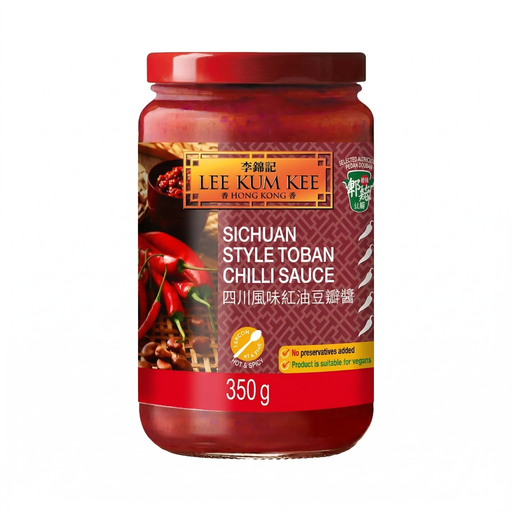
Why it's the right choice: Perfect for those who want to capture the authentic and complex taste of dishes like Mapo Tofu or Sichuan-style pork. It's the essential base for getting started with this great regional cuisine.
This product contains Pixian Doubanjiang (30%), a fermented broad bean and chilli paste. It's the signature ingredient of Sichuan cuisine, helping you avoid the trap of "inauthentic" sauces.
A deep, savoury flavour with a well-balanced heat. The Lee Kum Kee brand is a trusted benchmark for high-quality Asian sauces.
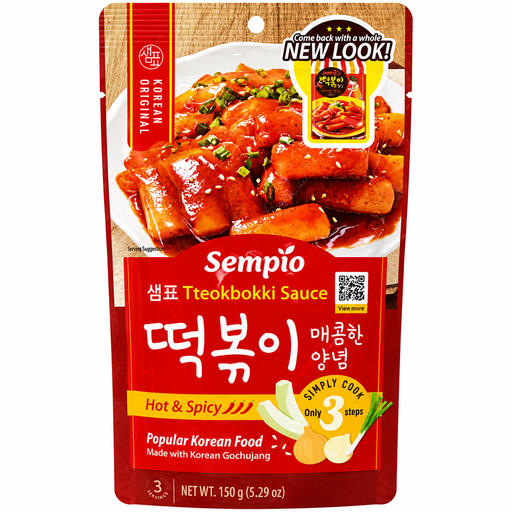
Why it's the right choice: Ideal for preparing tteokbokki (Korean rice cakes) hassle-free. This ready-to-use sauce guarantees a delicious and authentic result.
This is a product designed for a specific dish, which avoids the pitfall of generic, "multi-purpose" sauces. Its composition, based on red chilli paste, follows the original recipe.
A perfect balance of sweet, savoury, and spicy. Sempio is a leading Korean brand, a guarantee of quality when you `buy Korean products`.
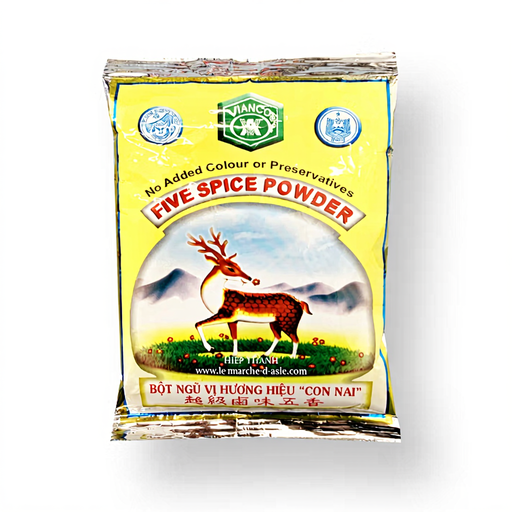
Why it's the right choice: This blend is a cornerstone of Chinese and Vietnamese cuisines. It's perfect for meat marinades (pork, duck), braised dishes, and broths. One product for a multitude of uses.
This isn't some vague "spice mix," but a genuine Chinese five-spice powder. The ingredient list (star anise, cinnamon, fennel...) conforms to the traditional recipe.
A complex and perfectly balanced aromatic profile. The 100 g size is ideal for regular use without having to buy each spice separately.
We've curated a complete selection of products that meet our selection criteria and comply with current regulations.
Most Asian sauces and fermented pastes (soy, chilli) can be stored for several months in a cupboard, away from light and heat. Once opened, it is essential to keep them in the refrigerator with the lid tightly closed to preserve their flavours and prevent contamination.
Although both are spicy, their taste and use are very different.
Yes, absolutely. Monosodium glutamate (MSG or E621) is a common flavour enhancer, but more and more brands are offering alternatives without it. To spot them, read the ingredient list on the product page carefully. The phrase "no added flavour enhancer" is your best clue.