
Livraison le jour même ou le lendemain

Qualité garantie

Débloquez vos offres de bienvenue: Livraison GRATUITE | Jusqu'à -80 % | 30 jours d'essai gratuits à JoyPlus
Téléchargez l'application
Diving into an online Asian grocery store can be as exciting as it is overwhelming. The promises of authentic flavours are everywhere, but how do you find the real gems and avoid the imitations? As a product expert at Joybuy, my job is to help you navigate the options. Too often, purchases end in disappointment due to a few common pitfalls. Let's learn how to avoid them together.
The most common traps are often subtle. The first? Buying a product labelled "authentic" only to find an ingredient list revealing a Westernised recipe, loaded with corn syrup or additives that compromise the original taste. The second mistake is choosing the wrong ingredient for a recipe, like using a fine chilli powder for kimchi when the dish requires a coarse grind. Finally, there's often confusion between fresh products, which require special logistics, and shelf-stable pantry items, which are often just as good and much easier to store.
To avoid these letdowns, just keep an eye on a few key details before you check out. These details make all the difference between a successful dish and a failed attempt.
The key to authenticity is often hidden in the composition. For Asian condiments like gochujang (Korean chilli paste), the star ingredients should be rice, fermented soybeans, and chilli powder. Steer clear of lists where syrup or sugar appear at the top. The same logic applies to Chinese cooking ingredients: the presence of signature spices like Sichuan pepper or star anise is an excellent indicator. Checking the country of origin is also a smart move to ensure traditional recipes are being followed.
Not all chilli powders are created equal. Korean chilli powder, or gochugaru, is the perfect example. It comes in two main versions:
Choosing the wrong grind can completely change the texture and taste of your dish.
Kimchi perfectly illustrates this distinction. You'll find fresh versions (in the refrigerated section), where the fermentation is live and the flavour evolves, and shelf-stable (pasteurised) versions. The latter, being stabilised, are perfect for the pantry. They offer a consistent flavour and great convenience, without taking up space in your fridge before opening. One isn't better than the other; they simply serve different needs.
To guide you, here is our selection of products designed for different profiles, all meeting the criteria we've just discussed.
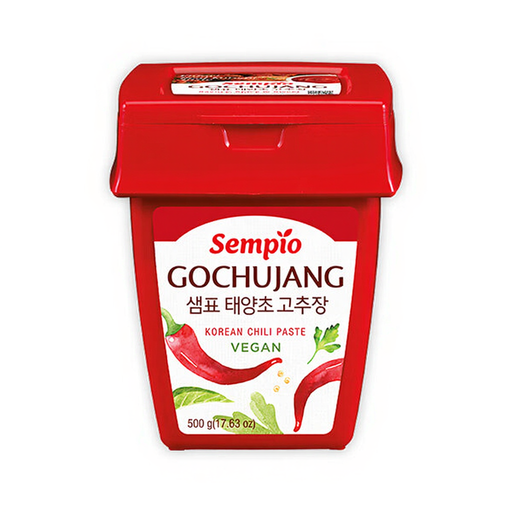
Why we chose it: Ideal for beginners, this gochujang is a cornerstone of Korean cuisine. Its balanced flavour integrates easily into marinades, stews, or sauces without ever overpowering other aromas.
Its composition respects tradition (rice, fermented soybeans) and avoids the trap of low-quality pastes where corn syrup tops the ingredient list.
A versatile umami, spicy, and subtly sweet flavour. Produced by a leading Korean brand.
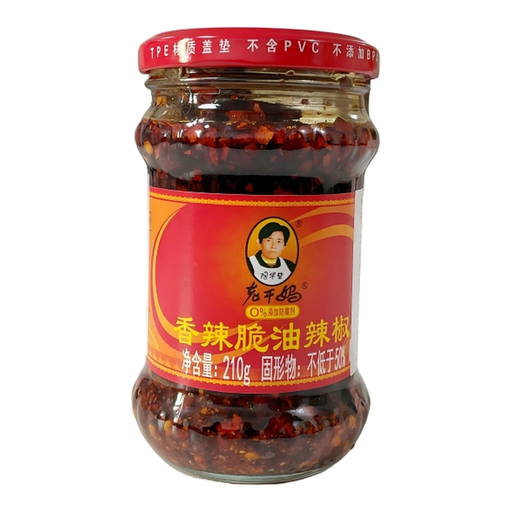
Why we chose it: For those seeking more than just heat, this chilli oil is a true icon. It delivers not only warmth but also a crunchy texture and complex umami, thanks to chilli flakes, fermented soybeans, and peanut fragments.
This isn't just a hot oil. Its richness in solid ingredients (chillies, soybeans) makes it a condiment in its own right, far from one-dimensional, flat oils.
Addictive crunchy texture and a deep, savoury flavour. Its versatility is incredible: on rice, noodles, eggs, or even pizza.
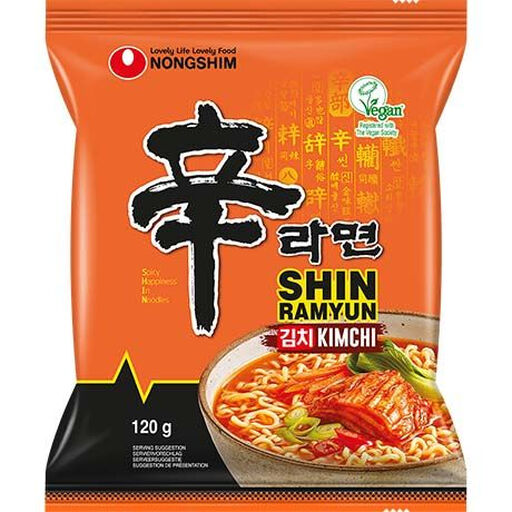
Why we chose it: For a meal on the go that's packed with character, these instant noodles are a sure bet. They capture the tangy, spicy taste of kimchi in a comforting broth that's ready in minutes.
Unlike many "kimchi-flavoured" products that rely on powdered flavourings, this packet contains real pieces of dehydrated kimchi for a much more authentic taste.
Thick, chewy noodles, a signature of the Nongshim brand. A comforting and flavourful dish, ready in the blink of an eye.
We have curated a complete range of products for you that meet all these quality criteria.
How should I store Asian condiments like gochujang or kimchi after opening? Once opened, most fermented condiments (gochujang, doenjang, kimchi, etc.) should be stored in the refrigerator in their original, tightly sealed container. This slows down fermentation and preserves their flavours. For kimchi, make sure the vegetables are always submerged in their brine to prevent them from drying out.
What's the difference between Korean chilli powder (gochugaru) and cayenne pepper? The difference is significant. Korean chilli powder (gochugaru) offers a fruity, slightly smoky flavour and moderate heat, with an intense red colour. It is essential for the taste and colour of kimchi. Cayenne pepper, on the other hand, is much more direct: it brings sharp heat but with less aromatic complexity. Using one for the other will yield a radically different, and often overly aggressive, result.
Can I use any chilli oil for my recipes? Absolutely not, as each chilli oil has its own profile. Japanese chilli oil (layu) is often infused with garlic and sesame, with a mild heat. Chinese oils like Lao Gan Ma are savoury, crunchy, and rich in umami. Others are infused with Sichuan pepper for a numbing effect (málà). The choice therefore depends on the desired effect: a simple touch of heat, a crunchy texture, or a complex aroma. Hence the importance of reading the label carefully.