People keeping an eye on the sugar in biscuits
You want to choose biscuits for a sweet breakfast without assuming that a claim on the front of the pack means they contain no sugar.


To reduce the sugars you get from biscuits, compare the ‘of which sugars’ figure per 100 g and per portion eaten: adding olive oil does not change their sugar content. If you’d also like to use oil in a sweet recipe, choose it for the flavour you’re after and measure how much you add. Don’t confuse a low sugar content with a low energy value.
You want to choose biscuits for a sweet breakfast without assuming that a claim on the front of the pack means they contain no sugar.
You’re thinking of using olive oil on toast or in a cake, and want to take its flavour and the amount you add into account.
You want to distinguish the origin of the olives from where the oil is bottled, and check the organic label before choosing a bottle.
If you’re looking to reduce the sugars in your breakfast, start by comparing biscuits. Choosing an oil is a separate decision: think about its flavour, how you’ll use it and how much you want to add.
| What to consider | What to check | Who it matters to |
|---|---|---|
| Sugar in biscuits | Compare the ‘of which sugars’ figure per 100 g and for the portion you’re considering, as well as the ingredients, across similar biscuits. | If I have biscuits for breakfast, I want to know how much sugar is in the amount I’ll eat, not just rely on the claim on the pack. Around 46% of consumers would make this their top priority. |
| Oil flavour and use | Check the uses recommended for the product and measure the oil according to your recipe; flavour descriptions apply to the specific product in question. | For toast or a cake, I’m looking for an oil whose flavour I enjoy, without pouring in more than I intended. This would come first for around 36% of consumers. |
| Origin, organic status and storage | Distinguish the origin of the olives from where the oil is bottled, then check the organic label and the bottle’s storage instructions. | Before choosing my oil, I want to know where the olives come from and what information is on the bottle. Around 18% of consumers would put this check first. |
Anses points out that ingredients can contain naturally occurring sugars, even when no sugar has been added.
For biscuits, check the ‘of which sugars’ figure and the ingredients list too.
The PUGET La Classique product information gives 90 kcal per 10 g portion. Sugar content and energy value answer two different questions.
Measure the amount of oil you add to your toast or recipe rather than relying on the ‘sugars’ figure alone.
For one specific organic oil, Auchan states that the olives are from Spain and the oil is bottled in France. These details don’t necessarily refer to the same country.
Read them separately on the bottle you choose, and check the organic label if that matters to you.
A product description alone can’t tell you what’s available in your local shop at the time you buy.
Confirm which product is available locally and check the information on its packaging.
These examples highlight details to compare across specific products; they’re not a ranking of brands.
PUGET describes La Classique as an extra virgin olive oil for uses including cooking and dressing.
Carapelli’s range includes Il Frantolio, an extra virgin olive oil obtained by cold extraction.
Carrefour listings include a 500 ml olive oil and a 50 cl organic extra virgin olive oil.
Auchan offers extra virgin olive oils with origin details that vary between products.
Lidl offers a 1 L bottle of Primadonna extra virgin olive oil, described as cold-extracted.
E.Leclerc offers extra virgin olive oils, as well as GRAINEA breakfast biscuits labelled ‘reduced sugar’.
This selection includes four extra virgin olive oils to consider for different recipes, plus a crisp wholemeal wheat speciality. The latter shouldn’t be confused with breakfast biscuits advertised as ‘reduced sugar’: check its category and label against what you’re actually looking for.
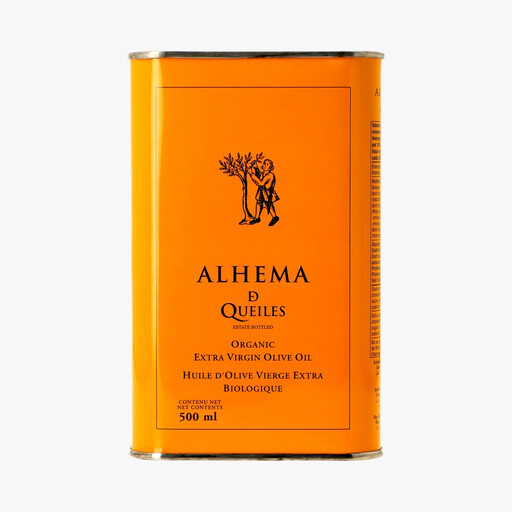 Image unavailable
Worth considering if you’d like to try olive oil in a sweet recipe. The name specifies the Arbequina variety and the 500 ml size. Taste and measure the oil according to your recipe, without assuming it will work with every dessert.
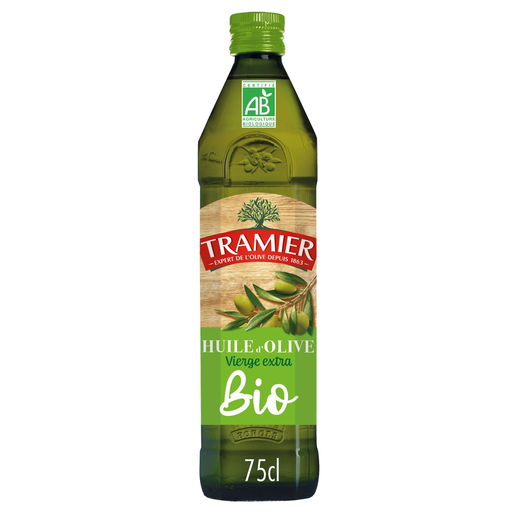 Image unavailable
Consider this if you’re looking for an organic oil for home cooking. It comes in a 75 cl bottle; check whether you like its flavour in a sweet recipe, and measure how much you use.
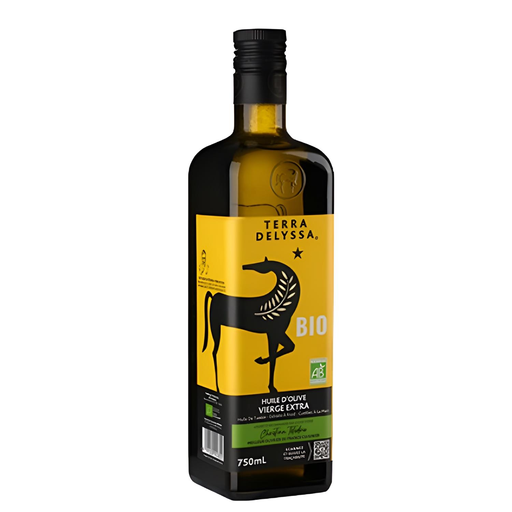 Image unavailable
This 750 ml organic oil could be one option when choosing a fat for a recipe. If you’re using it for a sweet breakfast, consider the flavour you’re after and how much you plan to add.
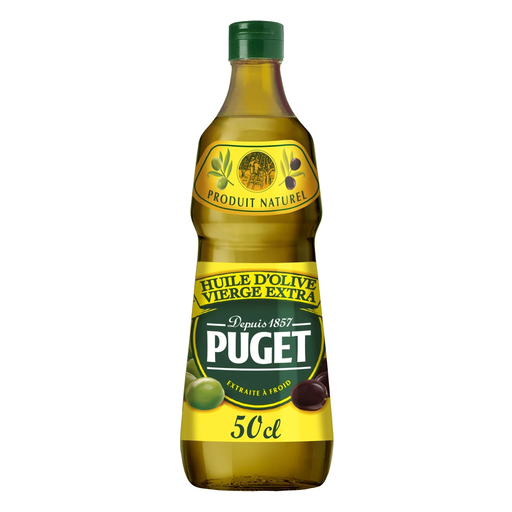 Image unavailable
Worth looking at if you want to use extra virgin olive oil in a homemade recipe. The 500 ml size alone won’t tell you how it will taste on toast or in a cake, so adjust the amount to suit your recipe.
 Image unavailable
Consider these if you’re looking for a crisp wholemeal base rather than a sweet breakfast biscuit. ‘No added sugars’ doesn’t mean ‘sugar-free’ or ‘reduced sugar’: compare the ‘of which sugars’ figure and the portion size with products in the same category.
No. Anses explains that ingredients may contain naturally occurring sugars despite this claim. Check the biscuit’s ‘of which sugars’ figure and ingredients list.
No, adding olive oil doesn’t remove the sugars in biscuits. You can use it as an ingredient in a recipe, but the amount also affects the energy value: PUGET states that 10 g of La Classique contains 90 kcal.
First compare the ‘of which sugars’ figure per 100 g for products in the same category, then check the amount in the portion you’ll eat. Read the ingredients too: ‘reduced sugar’ and ‘no added sugars’ claims don’t replace this information.
No. Auchan lists an organic product made with olives from Spain and bottled in France. Check these details separately on the bottle you choose.
Follow the instructions on the bottle. The PUGET and Auchan product information consulted recommends keeping the oils sealed and away from light and heat.