Households with an older fridge or freezer
Your fridge, fridge-freezer or freezer runs continuously. You want to know whether its annual energy consumption, capacity and condition make it worth replacing.


Start with your fridge or freezer, which runs continuously, then look at appliances you use often, such as your tumble dryer or dishwasher. According to ADEME, you should consider the energy consumption shown alongside the appliance’s capacity and how you use it: replacing an older appliance won’t save every household the same amount. If your current appliance still meets your needs, it’s also worth considering a repair before replacing it.
Your fridge, fridge-freezer or freezer runs continuously. You want to know whether its annual energy consumption, capacity and condition make it worth replacing.
You often use a tumble dryer or dishwasher. Energy use per cycle matters, but capacity, programme duration and noise levels also influence your choice.
Your appliance is getting older or has developed a fault, but its features may still suit your needs. Before choosing a new appliance, you want to look into repair options and the relevant durability information.
ADEME distinguishes between the annual energy consumption of refrigeration appliances and the energy used per cycle by other appliances. Start by comparing appliances with the same function and a similar capacity, then check the energy label figures against how often you use them.
| What matters | What to check | Who this matters to |
|---|---|---|
| Always-on cooling | For a fridge, fridge-freezer or freezer, compare kWh/year for appliances with a similar function and usable capacity. Also check that the appliance will fit the space. | If my appliance runs all the time, I want to know whether its capacity still suits my needs before replacing it. Around 36% of consumers would make this their main priority. |
| Frequent drying | Check the tumble dryer’s energy label, its capacity in kg and the duration of the relevant programme. | When I dry clothes regularly, the capacity needs to suit my loads without making me use an overly long programme. This would be a priority for around 29% of consumers. |
| Dishwasher cycles | Compare kWh per 100 standard cycles and litres per cycle across appliances with similar capacities. Check the Eco programme duration and noise levels, too. | I use my dishwasher often and want a capacity that suits the amount of washing-up I usually have, without overlooking water use or noise. Around 21% of consumers would put this need first. |
| Repair or keep | Get the fault diagnosed, check the repair options and look at the durability index where it applies to the product category. | If my appliance still meets my needs, I’d rather look into a repair before deciding whether to replace it. This would be the main priority for around 14% of consumers. |
The rating alone doesn’t tell you what capacity you need. The European Commission notes, for example, that a dishwasher’s energy label also shows consumption per 100 cycles, water use per cycle, capacity, Eco programme duration and noise levels.
Compare the figures for appliances in the same category and with similar capacities, then check that the programmes listed suit the way you use them.
For refrigeration appliances, ADEME recommends taking the appliance’s size into account: extra capacity or unused features can affect its energy consumption.
Work out how much storage you really need and measure the available space before comparing the kWh/year figures for similarly sized models.
A single fault doesn’t necessarily mean that the appliance can no longer meet your needs. The French Ministry of the Economy says the Repair Bonus may cover certain repairs to out-of-warranty products carried out by an approved repairer, subject to eligibility criteria.
Check the warranty and ask for a diagnosis. Then decide whether a repair will solve the problem or whether the appliance’s capacity, noise or energy consumption is still unsuitable.
An integrated model needs to fit your existing kitchen. Miele says that some of its integrated refrigeration appliances require a door panel, which isn’t supplied. The DGCCRF also sets out the rules for having an equivalent used appliance taken away when you buy a new one.
Confirm the dimensions, any parts needed for installation and the collection arrangements before making your choice.
These brands offer product categories that may suit your needs. Compare the features and installation requirements of each model rather than drawing conclusions based on the brand alone.
Bosch offers laundry appliances in France, including heat-pump tumble dryers and washing machines in a range of capacities.
Beko offers fridges, freezers, fridge-freezers, dishwashers and laundry appliances in France.
Miele offers freestanding and integrated refrigeration appliances, including fridges, fridge-freezers and freezers.
These appliances suit several of the situations mentioned above: replacing a fridge-freezer, choosing a small standalone freezer, or upgrading your dishwasher or tumble dryer. Before deciding, compare their capacity and installation requirements with those of your current appliance.
 Image unavailable
Worth considering if you need plenty of fridge and freezer space in a single appliance.
Advertised capacity of 467 L, energy rating E and Total No Frost system. Check that the capacity and four-door design suit your space and usual storage needs.
 Image unavailable
Worth a look as a replacement fridge-freezer if 360 L is enough for your storage needs.
Energy rating E and Total No Frost system. Check the dimensions and compare its annual energy consumption with fridge-freezers of a similar capacity.
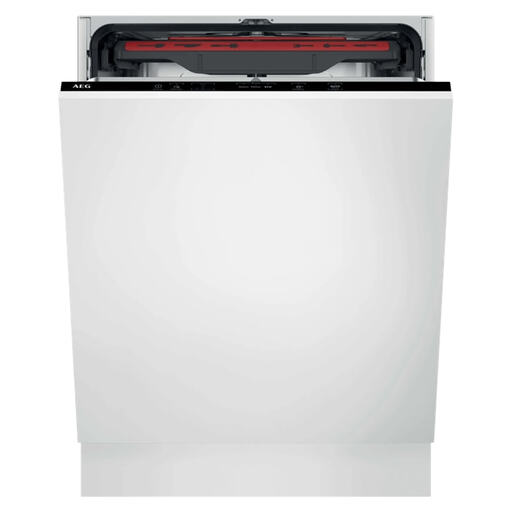 Image unavailable
Worth considering if you’re looking for a fully integrated dishwasher with 14 place settings and your kitchen can accommodate it.
Energy rating C. Ask for the exact dimensions to be confirmed before buying: the stated width measurements for this model don’t match.
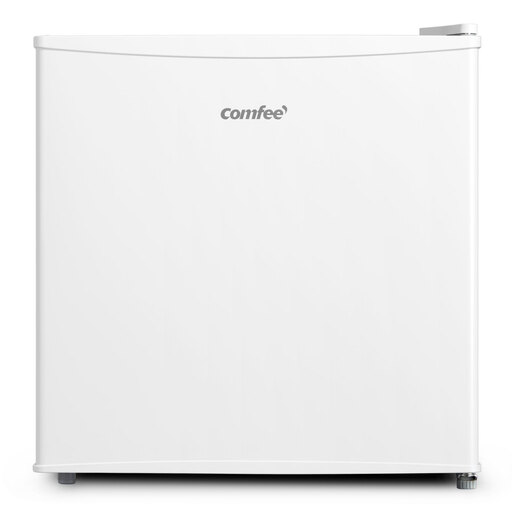 Image unavailable
Worth considering if a small amount of extra freezer space suits your needs. Its 31 L capacity may not be enough to replace a larger freezer.
Advertised energy consumption of 147 kWh/year, energy rating E and reversible door. Compare this figure with freezers of a similar capacity and format.
 Image unavailable
Worth a look if you regularly dry loads suited to an 8 kg capacity.
Energy rating C. Check the energy label to compare its consumption and programme duration with other tumble dryers that suit the way you use yours.
Start by comparing appliances with the same function and a similar capacity, rather than looking only at their energy ratings. For refrigeration appliances, compare kWh/year and usable capacity. For a dishwasher, check kWh per 100 standard cycles, water use per cycle and the number of place settings. ADEME and the European Commission present these figures as indicators linked to an appliance’s features and programmes, not as a guarantee of the same savings for every household.
Yes. According to the European Commission, dishwasher energy label figures are based on the standard Eco programme. Compare its duration and the appliance’s capacity, too: these figures don’t necessarily reflect its other programmes or how often you’ll actually use it.
It’s worth looking into a repair if the fault seems isolated and the appliance still meets your needs. In France, the Ministry of the Economy says the Repair Bonus may apply to certain out-of-warranty products repaired by an approved professional, subject to eligibility criteria. A diagnosis can help you tell the difference between a fault and an ongoing issue with the appliance’s capacity or suitability.
Size alone doesn’t tell you whether its energy consumption will suit your needs. Check the kWh/year on the energy label and make sure the usable capacity is enough for your usual storage. Then compare freezers of a similar type and capacity, as recommended by ADEME’s guidance on choosing the right size.
No. In France, the index doesn’t apply across all these product categories. ADEME says it has applied to washing machines since April 2025, among other categories. For the appliance you’re considering, check which repairability or durability information applies to its category, along with the available maintenance and repair options.