How should you prioritise?
Replacing an appliance that runs continuously
Worth considering: if a fridge or freezer is no longer suitable because of its condition or capacity, look at replacing it before planning other purchases.
Keep in mind: choosing a larger capacity or extra features can affect energy consumption. Pick the capacity you actually need.
Replacing appliances over time
Worth considering: if several appliances are ageing but still usable, decide what to replace first based on their condition and how often you use them.
Keep in mind: don’t rank annual consumption figures alongside per-cycle figures as if they were based on the same measurement.
Keeping an appliance or getting it checked
Worth considering: if the appliance still meets your needs, check its condition and whether it can be maintained or repaired before deciding to replace it.
Keep in mind: a repairability or durability rating doesn’t replace checking the appliance’s capacity and energy consumption.
Once you’ve decided what to replace first, assess each new model within its own appliance category.
| Priority |
What to check |
What I need |
| Use and condition |
Make a list of the appliances you own, their condition and their running hours or number of cycles. The ADEME provides estimates for different appliances, and its Wattris tool lets you enter your household’s own usage times and durations. |
Several of my appliances are ageing. I want to decide which one to look at first, rather than buying based on age alone. |
| Capacity |
Work out the capacity you need for a fridge or freezer, or the usable capacity you need for an appliance that runs in cycles, before comparing models. Also check which features you’ll actually use. |
I’m looking for a capacity that suits my usual shopping or laundry loads, without automatically choosing a larger appliance. |
| Energy label |
Compare appliances in the same category using the conditions shown on their labels. According to the ADEME, the consumption of appliances that run in cycles may be shown in kWh per 100 cycles, with water use in litres per cycle. For a fridge or freezer, check its annual consumption. The European Commission’s EPREL database lets you look up the registered specifications of a model. |
Before choosing between two models, I want to understand what type of use their energy consumption figures are based on. |
| Maintenance and repairs |
Check the condition of your current appliance and whether it can be diagnosed or repaired. If you’re buying new in France, check which rating applies to the category: the government departments responsible for the ecological transition distinguish, among others, between the durability rating for washing machines and the repairability rating for dishwashers and vacuum cleaners. |
If my appliance still works, I want to consider maintaining or repairing it before getting rid of it. |
A guide to brands
There’s no brand information to display.
Appliances to consider on Joybuy
This selection includes fridge-freezers, washing machines and a dishwasher to consider based on which appliance you’re thinking of replacing. Compare each model with appliances in the same category and with a suitable capacity. Its inclusion here doesn’t mean you need to replace your current appliance.
 Image unavailable
Haier HTW5618ENMG, 3-door fridge-freezer, 360 L
If you’re replacing an appliance that runs continuously, consider whether its 360 L capacity meets your needs. The product information lists an E energy class, 271 kWh/year and Total No Frost technology. Check the dimensions and clearance needed for installation.
View on Joybuy
 Image unavailable
Sonlu CC-520WE, 444 L fridge-freezer
Consider this capacity if it suits your storage needs. The product information lists an E energy class, 289 kWh/year, a frost-free system and 40 dB. Check the dimensions and clearance needed before deciding where to put it.
View on Joybuy
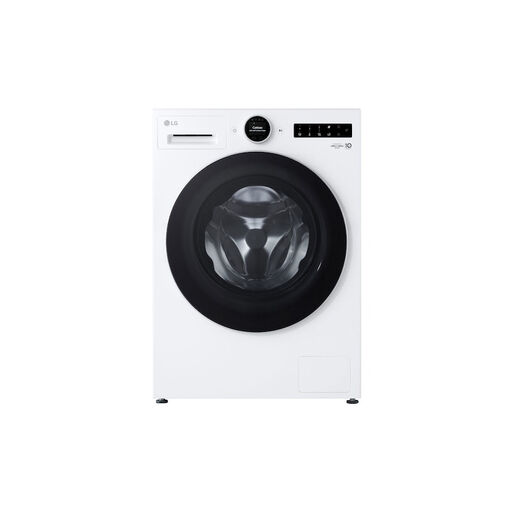 Image unavailable
LG F4WX851Y, 11 kg front-loading washing machine
Before considering this replacement, compare its 11 kg capacity with the size of your usual laundry loads. The product information lists an A energy class, 37 kWh per 100 Eco 40-60 cycles and 50 L per reference cycle. These figures don’t apply to other programmes. Before buying, check the electrical safety and connection requirements with the retailer.
View on Joybuy
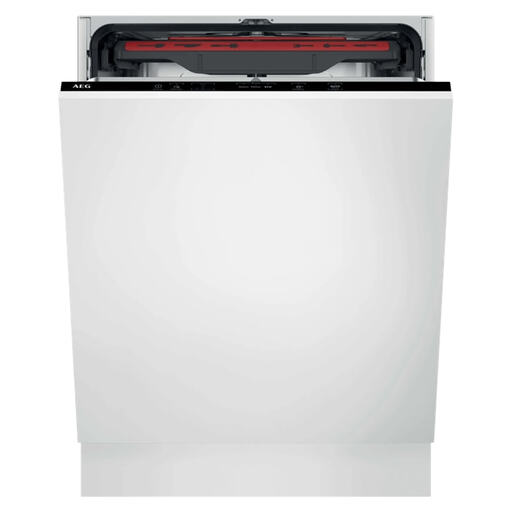 Image unavailable
AEG FSB34707Z, 60 cm fully integrated dishwasher, 14 place settings
If you’re replacing a fully integrated dishwasher, first check the capacity you need and the dimensions of the housing unit. The product information lists a C energy class, 0.75 kWh and 10.5 L per Eco cycle, with a stated duration of 240 minutes. Confirm the 60 cm designation and the listed dimensions of 68 × 63.5 × 86.4 cm before making any installation decisions.
View on Joybuy
 Image unavailable
Electrolux EW7FI259160V, SteamCare front-loading washing machine, 9 kg
If you’re thinking of replacing your washing machine, consider whether its 9 kg capacity suits the size of your laundry loads. The product information lists an A energy class, 44 kWh per 100 cycles and 48 L per cycle. Check the label to see which reference programme the 44 kWh figure relates to.
View on Joybuy
Frequently asked questions
What should I note down before replacing several appliances?
List each appliance’s condition and capacity, along with its running time or how often you use it. The ADEME says fridges and freezers run continuously, unlike appliances that are used in cycles. You can then use the ADEME’s estimates and its Wattris tool to compare your list with your household’s usage.
How should I compare the energy labels on two new appliances?
Compare models in the same category and with a suitable capacity, then check the energy consumption figure, its unit and the reference conditions. The ADEME says that for appliances which run in cycles, the label may show kWh per 100 cycles and litres of water per cycle. The energy class alone doesn’t reflect how often you use the appliance.
How can EPREL help before I buy?
EPREL, the European Commission’s database, lets you view and compare the registered specifications of models covered by the energy label. Search for the exact model and check its product information sheet alongside the energy label and retailer’s product details.
Does the repairability rating apply to every appliance?
No. Check which rating applies to the category you’re considering. According to the government departments responsible for the ecological transition, the durability rating applies to washing machines, among other appliances, while the repairability rating applies to dishwashers and vacuum cleaners, among others.
What should I do with my old appliance if I replace it?
First check whether it can be repaired or reused. In France, the government departments responsible for the ecological transition state that when you buy a new appliance in-store or online, the retailer must offer to take back your old one.


