
Livraison le jour même ou le lendemain

Qualité garantie

Débloquez vos offres de bienvenue: Livraison GRATUITE | Jusqu'à -80 % | 30 jours d'essai gratuits à JoyPlus
Téléchargez l'application
Shiny roots by the following day, lengths that lose their volume and increasingly frequent washes: choosing an oily hair shampoo can quickly become a headache. Claims such as “purifying”, “detox” or “sebum-regulating” are not enough to determine whether a formula is genuinely right for your routine.
To make an informed purchase, it is better to examine the ingredients, the recommended frequency of use and the balance between cleansing the scalp and caring for the lengths.
Menthol, peppermint and certain fresh fragrances provide an immediate feeling of cleanliness. That does not necessarily mean your scalp will stay clean for longer. A sebum-regulating shampoo should primarily cleanse effectively without causing tightness or drying out the skin.
A detox shampoo for oily scalps or a clarifying shampoo can help remove residue from wax, pomade, dust and styling products. However, this type of formula is not necessarily intended for daily use. Washing too often can leave the lengths feeling rough and uncomfortable, especially if they are already dry.
Claims such as “98% ingredients of natural origin” or “certified organic” provide an initial indication, but they are no substitute for reading the INCI list. An organic formula may contain essential oils or fragrance allergens that are not suitable for every skin type. Conversely, a silicone-free product is not automatically gentler or more effective.
If your roots become greasy quickly, choose a cleansing base suited to how often you wash your hair. Formulas containing cleansing agents such as sulphates often produce a rich lather and effectively remove sebum. Others use milder surfactants, which may be better suited to sensitive scalps.
A purifying shampoo for oily hair can fit perfectly into a regular routine if your scalp tolerates it. For a more intensive but occasional cleanse, charcoal, clay and salicylic acid are often found in clarifying formulas. Their presence does not guarantee universal effectiveness: the result also depends on the amount used and how often you wash your hair.
If your hair is oily at the roots and dry at the ends, apply the shampoo mainly to the scalp. The lather that runs through the hair during rinsing is generally enough to cleanse the lengths. You can then apply conditioner only to the ends.
Silicones make detangling easier and leave the hair feeling smoother. If you are looking for a silicone-free shampoo for oily hair, however, check that the formula does not make your hair difficult to style. Glycerine, conditioning agents and lightweight oils can offer a good compromise between a clean feeling and comfort.
If you have a sensitive scalp, check for fragrance, essential oils, menthol or fragrance allergens such as limonene and linalool. The term “hypoallergenic” indicates that the risk of an allergic reaction has been reduced according to the brand’s criteria, but it does not guarantee that the product will suit everyone.
To choose an anti-dandruff shampoo for an oily scalp, start by distinguishing visible dandruff from a simple build-up of sebum. If itching, redness or discomfort persists, it is better to ask a healthcare professional for advice rather than trying one product after another.
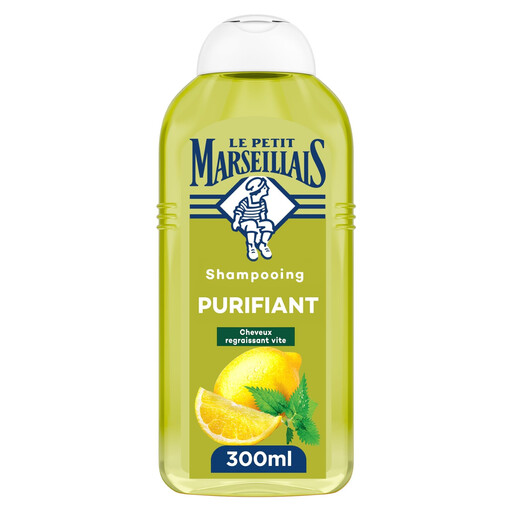
Why this choice suits this profile : Its 300 ml size and accessible price make it a good starting point for a routine designed for hair that becomes greasy quickly.
The formula is advertised as silicone-free and designed for use two to three times a week, helping you avoid relying on daily washing as a matter of course.
98 % ingredients of natural origin according to the product details, a pH described as optimal for the hair fibre, and made in France.
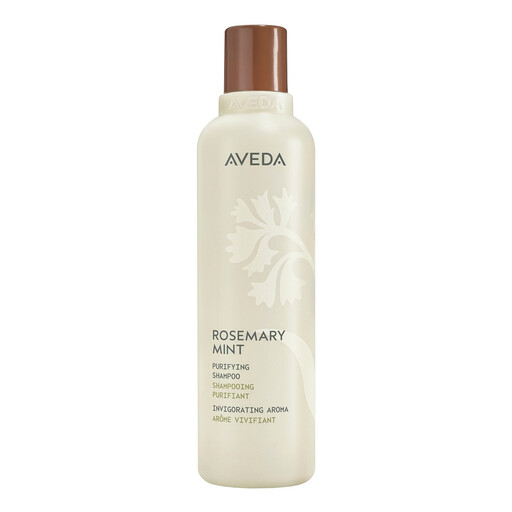
Why this choice suits this profile : This vegan, silicone-free formula is aimed at people who care about both the ingredients and the sensory experience, including the fragrance.
The product details specify that it contains no silicones or several other ingredient groups, rather than relying solely on a promise of freshness.
97 % ingredients of natural origin, a vegan, silicone-free formula, and recyclable packaging according to the description.
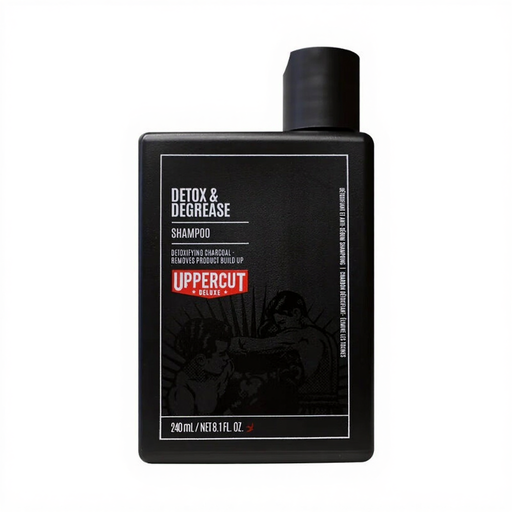
Why this choice suits this profile : It is suitable for people who regularly use waxes, pomades or styling products that require a more intensive occasional cleanse.
It is recommended for use once or twice a week, allowing you to reserve the clarifying shampoo for when your hair needs a genuinely deep cleanse.
The formula contains activated charcoal and salicylic acid; the manufacturer recommends applying conditioner after washing.
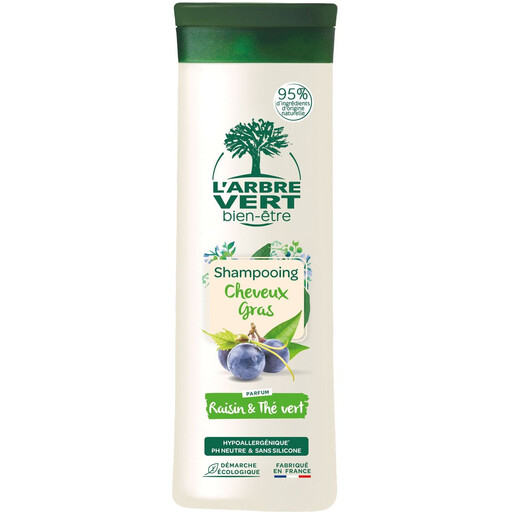
Why this choice suits this profile : Its product details highlight a hypoallergenic formula, a neutral pH and use specifically intended for oily hair.
The advertised formula, free from persistent silicones and with a neutral pH, avoids choosing a product solely for its highly stripping effect.
95 % ingredients of natural origin, a silicone-free formula, and cleansing described as gentle.
We have put together a complete, real-time updated list of products that meet these demanding selection criteria and European safety regulations.
Choose a purifying or balancing formula suited to how often you wash your hair. A silicone-free shampoo may be suitable if you want a lighter feel, but the complete ingredients list and scalp tolerance remain the top priorities.
This is generally not the intended use for this type of product. Check the instructions and keep it for periods when styling products or impurities have built up. For frequent washing, choose a formula designed for regular use.
Check the open-jar symbol on the packaging, usually accompanied by the number of months the product can be used after opening. Also check the minimum durability date when one is provided. Keep the bottle closed and away from heat and direct sunlight. If the smell, colour or texture changes, stop using it.